Recent Posts

What Could Happen If You Stop Treating Your Diabetes

What Could Happen If You Stop Treating Your Diabetes

It’s difficult enough to get out of bed in the morning. But for those who must regularly take pills, check their blood sugar levels or give themselves insulin every morning, they may have it a lot harder. Though, maintaining your health, especially with diabetes is …

Your Thyroid is More Important Than You Think!

Your Thyroid is More Important Than You Think!

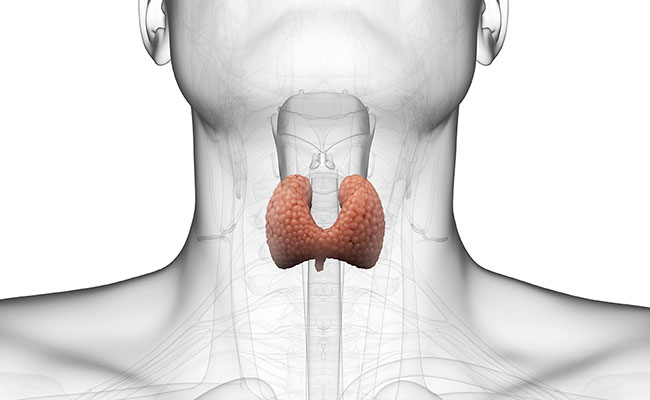
The thyroid is, undoubtedly, one of the most important glands in your body. Though it is small, this butterfly-shaped gland that is located in the lower front of your neck is responsible for making thyroid hormones that help the body use and maintain energy, keep …

Cold And Flu Season Tips from Jerry Hickey, R.Ph.

Cold And Flu Season Tips from Jerry Hickey, R.Ph.

As the weather starts to get colder and the days start to feel shorter, cold and flu season slowly begins to creep up on us. Here are some tips and information on cold and flu season by Jerry Hickey, R. Ph.

How is the flu virus spread?

Usually the flu virus is spread through droplet infection – sneezing and coughing. Breathing in droplets expelled into the air by an infected person’s cough is the most common route. These droplets can get inhaled through your nose or land in your face or eyes, where you are almost sure to spread the virus by touch. Without meaning to, you are unknowingly spreading a lot of germs, and you are putting your loved ones and even strangers at risk. To reduce the spread of any flu-related symptoms, taking the relevant precautions, like wearing an N95 mask,  can not only keep you protected from the germs of other people, but you are also protecting the health of others. As well as this, you should consciously avoid touching your eyes, nose, or mouth during flu season because germs are often spread when a person touches something that is contaminated with germs and then touches his or her eyes, nose, or mouth.

If you shake hands with a person who is coughing or sneezing, it would be a good idea to wash your hands with antibacterial soap or hand sanitizer. You can also get the flu from saliva when sharing cups, glasses, or other household objects used by a person who has the flu.

How long does the flu last on inanimate surfaces?

Flu viruses can last long enough outside of the human body to contribute to spreading infection. Studies have shown that flu viruses generally can survive on surfaces (such as phones and doorknobs) between 2 to 8 hours depending on the environment. Washing your hands frequently with a bar of antibacterial soap and water will help protect you from contracting the flu through touch. Alcohol wipes and hand sanitizers can help disinfect the hands and surfaces if there are infected people.

What is the incubation period for the flu?

Once the flu virus is introduced into your body from an infected person, the virus multiplies quietly in your body until you get symptoms of the disease which can be about two to five days later, referred to as the incubation period. When the symptoms are active at the peak of the infection, that is when you generally spread the flu because this is when you are actively sneezing and coughing.

For how long will I be contagious for?

Usually five to seven days for adults. Young children can be contagious for ten days to two weeks. Kids can also have diarrhea when they get the flu; something you usually don’t see in adults. According to the CDC, people with compromised (lowered) immune systems – such as people with AIDS or people taking drugs to prevent transplant rejection – can shed flu virus for weeks or months after infection.

Besides the flu shot and prescription antiviral drugs are there nutrients that help protect me from the flu?

Yes, research shows that the amino acid NAC, and consuming Green Tea may decrease the risk of developing upper respiratory tract infections including the flu (NAC and Green Tea) and cold viruses (Green Tea). Other nutrients like medicinal mushrooms, Astragalus herb, Nucleotides and Olive Leaf can help support immune system function and may improve resistance.

Read Jerry Hickey, R. Ph’s ‘Combating Cold and Flu Viruses with Green Tea and NAC’ by clicking here!

The Real Killer – Pneumonia

We are moving into the cold and flu season and the CDC is urging many of us to get this season’s flu vaccine. The reason for this is a higher mortality rate connected to cold weather and the flu. Yet most individuals do not realize that pneumonia is the big killer and that many deaths related to the flu actually occur because of a concomitant or secondary pneumonia infection.

Unfortunately in many recent seasons the best guess by experts has not always targeted the strains of influenza reaching our shores and spreading infection and although immunized, infection can still occur. The great news is that there is strong preventative action you can take to protect yourself from lung infection aka pneumonia – the real killer.

The pneumococcal polysaccharide vaccination (PPV) stimulates resistance to 23 out of 80 pneumococcal bacteria; the vast majority of pneumonia infections are caused by the 23 serotypes contained in the vaccine. The vaccine is injected into the body to stimulate the normal immune system to produce antibodies that are directed against pneumococcal bacteria. All adults over the age of 65 are candidates for the injection and it is usually given around September but it is not too late. Usually one dose of PPV is all that is needed. Yet in some circumstances a second shot is recommended for those over 65 who had their first dose when they were under 65, if five or more years have passed since the first dose.

For more information on PPV, contact the CDC at 1-800-CDC-INFO, 1-800-232-4636 or visit www.cdc.gov.


InVite® Health Current Sale

Low Vitamin D Levels Linked to Mental Decline in Elderly

Low Vitamin D Levels Linked to Mental Decline in Elderly

You can have enough vitamin D in your blood, have insufficient levels, or really lack it (deficiency). In this study from University California Davis and Rutgers University having low levels of vitamin D accelerated cognitive decline dramatically – at three times a faster rate compared …

The Value of Lutein Supplements

The Value of Lutein Supplements

Lutein, a nutrient and antioxidant found in foods such as spinach, kale, collard greens, and egg yolks and extracted from marigolds to make dietary supplements, has been studied as a critical component for maintaining good vision health. A large government study has found that a …

Move Over Fish Oil! There’s a New Omega 3 in Town & It’s Name is Krill Oil

Move Over Fish Oil! There’s a New Omega 3 in Town & It’s Name is Krill Oil

For years, heath experts have been touting the benefits of fats from fish, and rightfully so. Fish and other seafood are considered the best source of fats from the Omega-3 family, which includes the fatty acids EPA and DHA. Most people do not get nearly enough Omega-3 fats in their diet, and as a result, miss a significant opportunity to protect their heart, brain and manage inflammation throughout the body. Most people also eat a disproportionate amount of Omega-6 fats, which are already plentiful in our diets. Poor quality diets loaded with processed foods tend to be excessive in Omega-6 fats, like corn, canola and soybean oil, margarine, mayonnaise and shortening.

While it was once thought that these vegetable oils were good for the heart, there is strong evidence that too much of these processed industrial vegetable fats can lead to or worsen heart disease. The British Medical Journal recently published a meta-analysis using research from the Sydney Diet Heart Study, a single blinded, parallel group, randomized controlled trial conducted in 1966-1973. The study involved 458 men aged 30-59 who had a recent coronary event like angina (chest pain) or a heart attack, who were divided into two groups – one group was instructed to reduce saturated fat intake to less than 10% of caloric intake, while increasing intake of linoleic acid from safflower oil (a fat rich in Omega-6 and devoid of Omega-3) to 15% of energy intake. These recommendations are in accordance with dietary recommendations from the American Heart Association. The control group received no dietary advice and both groups were followed for 39 months. The Omega-6 group had a 17% higher risk of dying from heart disease during the over three years the research was conducted, compared with 11% in the control group1. The Omega-6 group also had a higher risk of death from all causes. The researchers stated with great emphasis that there was significant need to rethink the dietary advice to substitute saturated fat for vegetable oils. Omega-6 fats build the molecules that our immune system uses to turn on inflammatory responses and tend to contribute to chronic diseases. They are especially damaging for the cardiovascular system, as inflammation is the root of heart disease.

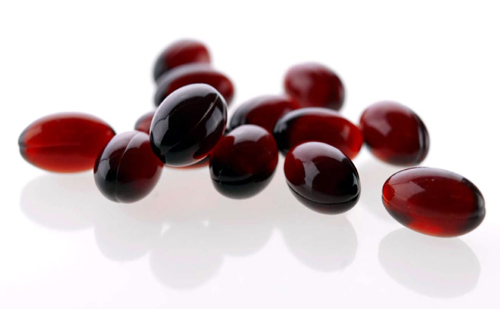
What is unparalleled for cardiovascular wellness is excellent intake of Omega-3 fats, while reducing Omega-6 fats. Healthy ratios of Omega-6 to Omega-3 are at least 3:1. However, many Americans consume a diet with an Omega-6 to Omega-3 ratio closer to 20:1 or even 50:1. One of the best ways to protect your heart (and your brain, eyes, joints, GI tract and the rest of your body) is to take an Omega 3 fatty acid supplement. Until recently, most supplements that provided direct sources of EPA and DHA (the beneficial Omega-3 fats) came from fish oils, commonly sourced from sardine, anchovy and mackerel. While these sources are excellent, there is a new source of EPA and DHA that is superb. It is the Alpha Omega-3 called krill oil. Krill are tiny shrimp-like crustaceans (sea animals) and despite their small size, are likely the most abundant species of animals on the planet.2 Like fish oil, krill oil contains EPA and DHA.

CONTINUE READING >>>

InVite® Health Current Sale