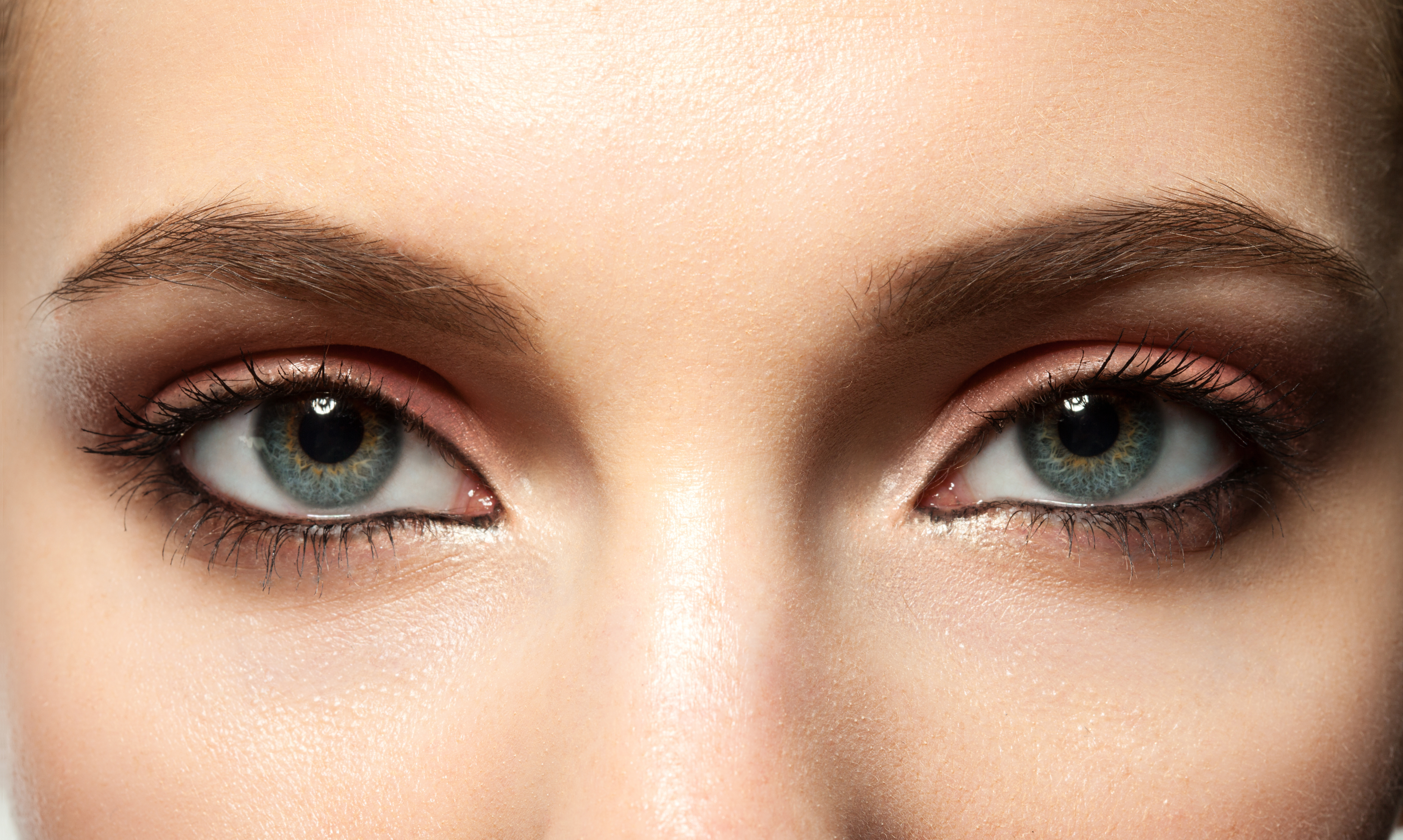
Many say, “The eyes are the window to the soul”. Unfortunately, in the United States, many develop serious eye conditions. One of the most common conditions that develop in the eye is known as a cataract. Though it is very common, it can be difficult to fully understand.
In the United States, 1 in 49 people develop cataracts (5.5 million people). In addition, there are 400,000 new cases in the United States every year. It is important to understand what a cataract is and how to protect yourself against it.
 What exactly is a cataract?
A cataract is basically a “clouding” of the lens of the eye. Overtime, this “clouding” develops into an opaque white area that is impossible to see through. A great way to visualize this process is to imagine an egg on a frying pan. As the eggs fry, the clear section slowly turns white. There are 3 different types of cataracts – nuclear, cortisol, and posterior subcapsular cataracts which are identified by the specific location in which they develop on the lens of the eye.
Cause of Cataracts
A cataract develops due to numerous factors. Age related cataract, secondary cataract (after trauma or other illness such as diabetes), congenital cataract (occurring at birth), and radiation cataract are just some examples of why a cataract forms. Overtime, the proteins in the lens of the eye become damaged creating the “clouding” that is known as a cataract. Diabetes is another common cause of cataract production because the persistently elevated blood sugar cause glycation (twisting and binding of proteins) which grow and damage the lens of the eye, forming a cataract. Other facts that contribute to the development of cataracts include smoking, family history, medications, trauma and UV exposure. The ultraviolet radiation exposure due to sunlight damages the lens. Obesity is also a factor that increases the risk of developing a cataract.
Signs of Cataracts
As with all health issues, if you notice any abnormal changes in your body, visiting your regular physician should be your first priority. Knowing how your body regularly works and feels is very important and is the best way to detect when there might be a problem. Signs of cataracts commonly include: double vision, blurry vision, cloudy vision, increased need for light, sensitivity to light, halos around objects and more frequent changes in eyeglass prescription.
Cataract Testing
-
-
- Visual acuity test: used to determine the smallest letters you can read on a standardized chart or a card held 20 feet away.
- Slit lamp exam: uses an instrument that provides a magnified, three – dimensional (3 – D) view of the different parts of the eye.
- Retinal exam: allows your doctor to evaluate the back of your eye, including the retina, the optic disk and the underlying layer of blood vessels that nourish the retina (choroid).
- Contrast sensitivity: defines the threshold between the visible and invisible, especially in situations of low light, fog or glare, when the contrast between objects and their background often is reduced (ex. driving at night).
Preventing Cataracts
Prevention is key. It is much easier to create a healthy lifestyle for yourself than to treat a condition once it develops in an unhealthy body. The first method to prevent cataracts is to quit smoking. Another very important method is to control your blood sugar. Uncontrolled diabetes causes serious negative effects in your body, commonly in the eyes. Diabetes is a major cause of cataract formation and of macular degeneration (a major cause of blindness in the elderly).
Other ways to help prevent cataracts include consuming antioxidants such as astaxanthin (found in supplements such as krill oil), L-Carnosine, beta-carotene, zinc, vitamin C and E. Other antioxidants found to be very beneficial for eye health include lutein and the northern European berry known as bilberry, a concentrated extract.
Lutein is an orange-red pigment in green leafy vegetables and is a relative of beta-carotene. Many studies show the lutein influences vision (macular caroteniod). The level of Lutein in the body decreases with age and some research also indicated that the cholesterol lowering statin drugs further reduce its levels. In some studies, lutein has been found to lower the risk of a cataract by over forty percent and frequently has been shown to protect against age-related macular degeneration.
A rather new antioxidant, named cassis berry, has been found to be very beneficial in protecting the eye. Cassis berry an also be found in high quality eye health formulas.
As common as a cataract is, it is also very preventable. Understanding and listening your body is the key to preventing this condition. At the first sign of an abnormality in your body, visit your primary physician for advice and testing. Developing cataracts can be scary and will be just the first stage of a long struggle with the condition. Preventing cataracts by leading an overall healthy lifestyle is not only beneficial for eye health, but for most health issues that plague many people all over the world.
Click here for a list of sources and references for this article.