Invite Health Podcast, Episode hosted by Jerry Hickey. Ph
Subscribe Today!
It is normal to feel sad after a loss or anxious in the face of a threat or new challenge. But when you can’t shake these feelings, or they seem to occur for no obvious reason, you may have depression or an anxiety disorder, such as panic disorder. Fortunately, most people respond well to treatment.
What is Major Depression?
Depression ranges in how serious it is. Some people experience mild and temporary episodes of sadness. Others experience severe and ongoing depressive episodes. Major depression is one of the most common mental disorders in the United States but it is not the only form of depression. For some individuals, major depression can result in severe impairment that interferes with or limits the ability to carry out major life activities.
Typically it is classified as a period of at least two weeks where a person experiences a depressed mood or loss of interest or pleasure in daily activities, and had a majority of specified symptoms, such as problems with sleep, eating, energy, concentration, or self-worth.
- An estimated 17.3 million adults in the United States had at least one major depressive episode. This number represented 7.1% of all U.S. adults.
- The prevalence of major depressive episode was higher among adult females (8.7%) compared to males (5.3%).
- Of adults with major depressive episode, 63.8% suffered from severe impairment.
Serotonin is known as the happiness molecule. A supplement called 5-HTP can raise serotonin and this makes you feel good, feel happy, and feel free of the symptoms of stress and anxiety. Serotonin also makes you feel full when eating, making 5-HTP useful for weight loss; we describe this activity in a separate episode.†
Conventional and Lifestyle Therapies
You may successfully manage symptoms with one form of treatment. It is also common to combine conventional and lifestyle therapies. Your doctor may prescribe medication for depression and anxiety. Living with depression can be difficult, but treatment can help you cope. Talk to your doctor about possible options.
- Psychotherapy: Speaking with a therapist can help you learn skills to cope with negative feelings. You may also benefit from family or group therapy sessions.
- Walking outside has proven useful for helping depression
- Going to a park and inhaling the scent of the woods; the odors they give off are called phytoncides
- Trees emit phytoncides to protect themselves from fungus and insects.
- These phytoncides provide natural aromatherapy and come with health benefits.
In a review of 28 studies, “forest therapy” was shown to improve depression. If you go into the woods for 15 to 20 minutes it lifts your mood. A review of 30 studies shows that “forest bathing”, also called forest therapy, reduces the stress hormone cortisol. When you reduce cortisol, you can sleep better at night and are able to focus better. This reduction is also good for weight loss. When you are stressed out and release cortisol, food is much more fattening.

In a study of 94 adults, visiting a park for 20 minutes boosted feelings of well-being and in a group of 60 adults, walking in a forest for 15 minutes compared to 15 minutes in a city area clicked their mood up a couple of levels and improved their attention span. The Japanese have a name for it – Shinrin Yoku or forest bathing – and it’s a good reason to visit a botanical garden or arboretum.
- Think about yoga and meditation.
- Exercise: Aim for 30 minutes of physical activity three to five days a week. Exercise can increase your body’s production of endorphins, which are hormones that improve your mood.
- Avoid or minimize alcohol: in the long run, it worsens depression and anxiety symptoms.
- A good diet supports a better mood, like the MIND diet or the Mediterranean Diet
Nutritional Support for Mood Improvement
There are a number of nutritional supplements support or improve your mood.
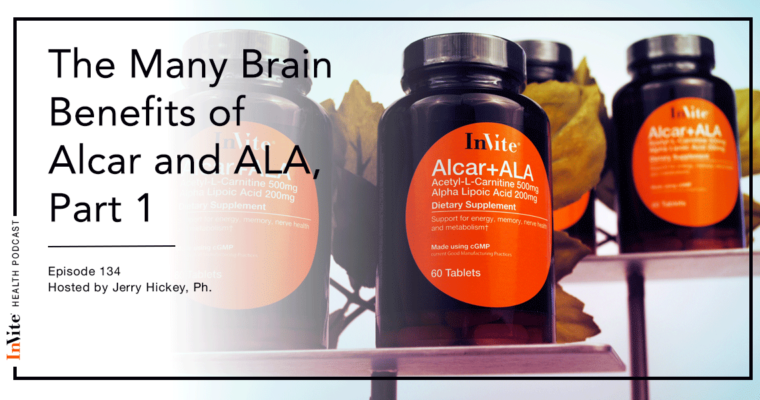
ALCAR stands for Acetyl L-Carnitine. It is great for your nerves, good for energy, great for your heart and it is helpful with tinnitus (ringing in your ear). If you take ALCAR away from food, it is better absorbed into the brain and it has been shown in a number of studies to click your mood up. And it does this very quickly and it is very safe. ALCAR is also good for your memory as you grow older.†
Well absorbed Curcumin is called Bio-Curcumin. It is also called BCM95. Five human clinical trials have found that it is good for depression and if you add it to an anti-depressant, it works better.†
NAC stands for N-Acetyl-Cysteine and is a powerful amino acid. This supplement is useful for helping with addiction even to alcohol or tobacco, and it helps compulsive behavior, such as nail biting and gambling, as shown in thousands of human clinical trials.†
SAMe, or S-Adenomethionine, may help boost the formation of neurotransmitters needed for healthy brain function. It is also useful for liver and joint health.†
Fish oils help to a degree. Your brain is about 60% fat and one of the major fats in your brain is fish oil (omega-3 fatty acid).†
The Importance of 5-HTP for Brain Health and Mood Support
5-HTP stands for 5-hydroxytryptophan. It comes from the seeds of the Griffonia simplicifolia plant. It easily enters your brain and is quickly converted into serotonin. Serotonin is known as the ‘happiness molecule’ and is a very important neurotransmitter.
Neurotransmitters – and we know of approximately 100 of them in the human brain – transmit messages throughout the brain. Serotonin transmits happiness, and helps fend off depression, anxiety and stress.
In humans, studies indicate 5-HTP may reduce anxiety (although there are more trials looking at it’s effects on depression) and the studies find benefit. Results from more recent studies suggest that 5-HTP has antidepressant effects comparable with fluoxetine (Paxil), and there is benefit as part of augmentation therapy for drug-resistant depression.†
5-HTP augments the response to SSRIs by increased presynaptic serotonin availability, thus enhancing serotonins release into the synapse. It was also proposed to potentially reduce hot flashes in menopausal women with breast cancer or with risk of breast cancer by enhancing serotonin levels (27) , but a clinical study in postmenopausal women found it ineffective (20) .†
5-HTP can also increase levels of dopamine, and norepinephrine, these neurotransmitters are involved in mood and taking 5-HTP at night improves sleep; it’s metabolism at night takes an extra step and creates the sleep neurotransmitter melatonin.†
Talk to your doctor about possible lifestyle and treatment options.
Thank you for tuning in to the Invite Health Podcast. You can find all of our episodes for free wherever you listen to podcasts or by visiting www.invitehealth.com/podcast. Make sure you subscribe and leave us a review! Follow us on Facebook, Twitter and Instagram at Invite Health today. We’ll see you next time on another episode of the Invite Health Podcast.