Tag: exercise

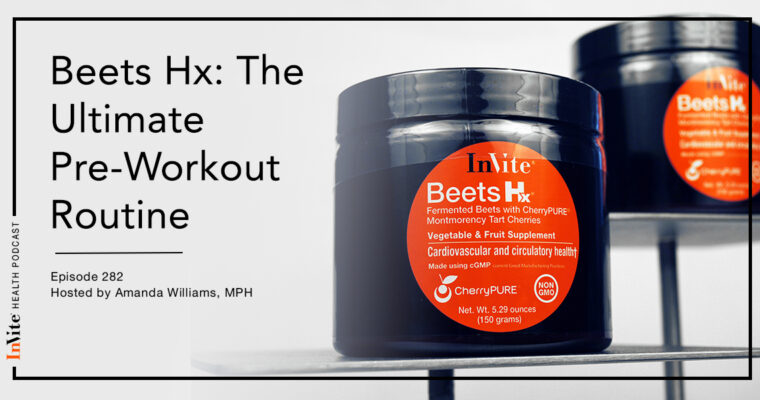
Beets Hx: The Ultimate Pre-Workout Routine – InVite Health Podcast, Episode 282

Beets Hx: The Ultimate Pre-Workout Routine – InVite Health Podcast, Episode 282

If you’re interested in a superior pre-workout routine, you need to turn to beets! Beets are a powerful superfood that offer support for nitric oxide and lactic acid build up.

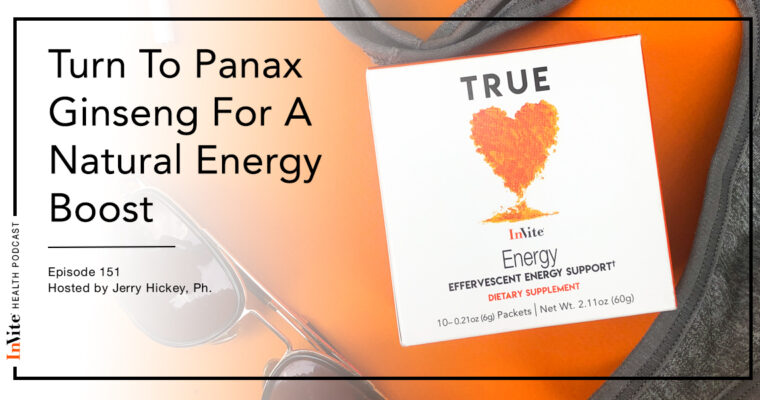
Turn To Panax Ginseng For A Natural Energy Boost – Invite Health Podcast, Episode 151

Turn To Panax Ginseng For A Natural Energy Boost – Invite Health Podcast, Episode 151

If you are trying to power through your virtual classes or even trying to get in your evening workout after you put the kids to bed but do not have the energy, Panax Ginseng might be your answer.

How To Prevent Muscle Soreness – Invite Health Podcast, Episode 115

How To Prevent Muscle Soreness – Invite Health Podcast, Episode 115

Invite Health Podcast, Episode hosted by Jerry Hickey. Ph

Subscribe Today!

Apple PodcastsGoogle PodcastsiHeartRadioSpotify

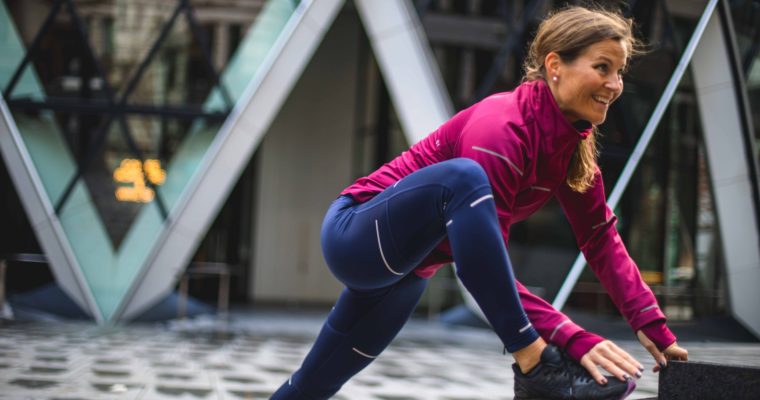
One pretty common group of people that shops at Invite Health are athletes. We have all sorts from tri-athletes to professional baseball players. One thing that they commonly ask is how to prevent muscle soreness after exercise or after training. This becomes a bigger issue with athletes over the age of 35. Once you hit about 35 years old, it takes longer to recover from physical activity. So a muscle injury can really slow you down.

Interested in Weight Loss? Did You Know that 5-HTP May Be Able To Help? Learn more >>

What is Delayed Onset Muscle Soreness?

It is normal to have a little bit of muscle soreness after your workout. But delayed-onset muscle soreness is muscle pain that begins after you’ve worked out. It normally starts a day or two after a workout and could be caused by you using a new machine or heavier weight than you are accustomed to. You won’t feel it during a workout but you do feel it a few days later. Pain felt during or immediately after a workout is a different kind of muscle soreness, called acute muscle soreness. It occurs when the fibers in your muscles get damaged.

invite health podcast offer
What Can You Do To Avoid Muscle Soreness?

  1. Stretching. Before exercise you should be doing dynamic stretches, which is different than static stretching. Dynamic stretching gets the blood to your muscles and makes you more flexible.
  2. Warm up. You can jump on a bike for 15-20 minutes to warm up your muscles after stretching.
  3. Weight Lifting. Start with a lower weight than you are accustom to and then slowly increase it.
  4. Stay hydrated. This helps to move toxins out of your muscles while you are exercising and helps you recover. If you do get injured, do not hesitate to use ice for 15-20 minutes. Do not use ice before a workout.
  5. Hot bath with Epson salt. This helps speed up your recovery, as it is Magnesium Sulfate or simply electrolytes.
  6. Protein. If you take protein right after a workout, it can help you build muscle. This is because your muscle fibers open up during a workout. Whey Protein is a great choice because it offers all eight essential amino acids.
  7. Supplementation. You may want to try a Calcium and Vitamin D supplement after a workout. This can help to relax your muscles, as one of the reasons why you may get muscle spasms after a workout is that you pumped all of the Calcium and Vitamin D out of your muscles.
  8. Cool Down. This is important in order to give your muscles time to rest, without just being sedentary right after. Get back on a bike or the treadmill for a quick walk to cool your body down.

Who needs the gym?! Stay healthy at home with the NEW Invite Wellness Program! Learn More Now >>


Thank you for tuning in to the Invite Health Podcast. You can find all of our episodes for free wherever you listen to podcasts or by visiting www.invitehealth.com/podcast. Make sure you subscribe and leave us a review! Follow us on Facebook, Twitter and Instagram at Invite Health today. We’ll see you next time on another episode of the Invite Health Podcast.

blog disclaimer invite health

jerry hickey invite health

Why Monitoring Your Heart Rate During Exercise Is Important

Why Monitoring Your Heart Rate During Exercise Is Important

With so much fitness technology on the market it may be difficult for you to decide which is worth it. The one thing many experts can agree on? Monitoring your heart rate is one of the most important parts of your workout.

Alpha-GPC: How Nootropics Keep You Focused and Support Brain Energy

Alpha-GPC: How Nootropics Keep You Focused and Support Brain Energy

Think about all that you do in one day. It’s no wonder why you’re experiencing burn out more than ever before! The good news is that there are natural options, like Alpha-GPC, that can help keep you focused throughout the day to get all of your tasks done.

More Motivation! Exercise Improves Brain Function, Study Reports

More Motivation! Exercise Improves Brain Function, Study Reports

Having some trouble turning off Netflix and finding the motivation to work out? Well, this should do the trick! New findings of a recent study show that, on top of its benefits for metabolism, mood, and general health, exercise also improves brain function.

The Study on Exercise and Brain Function

Researchers from the University of Tübingen set out to investigate whether or not exercise can improve insulin sensitivity in the brain and improve cognition in overweight individuals.

The study, led by Dr. Stephanie Kullmann, involved 22 sedentary adults who were overweight or obese (an average BMI of 31), who underwent two brain scans before and after an 8-week exercise intervention that included cycling and walking. Brain function was measured before and after using an insulin nasal spray to record insulin sensitivity of the brain. Researchers noted the participants cognition, mood, and peripheral metabolism.

The Results are In!

Though the intervention only resulted in marginal weight loss, brain function important for metabolism “normalized” after only 8-weeks. Increases of regional brain flow in areas of the brain important for motor control and reward processes, which depend of the neurotransmitter  dopamine, were shown. Dopamine is important for learning new motor skills and in reward-related learning. This study shows that exercise significantly improves dopamine-related brain function.

Kullman explains, “The bottom line is that exercise improves brain function. And increasing insulin sensitivity in dopamine-related blood regions through exercises may help decrease the risk of a person to develop type 2 diabetes, along with the benefits for mood and cognition.”

Source: Society for the Study of Ingestive Behavior. “Exercise improves brain function in overweight and obese individuals.” ScienceDaily. ScienceDaily, 9 July 2019. <www.sciencedaily.com/releases/2019/07/190709171815.htm>.

Questions about this study? Motivated to start exercising but don’t know where to start? Leave a comment below to speak with a certified healthcare professional!

INVITE® HEALTH CURRENT SALE