Tag: heart health

Collagen for the Heart?

Collagen for the Heart?

Collagen for the Heart? Dr. Claire Arcidiacono, ND   In my last blog I mentioned that I would be reviewing a few supplements for the heart that you normally don’t associate with heart health. The first such supplement is collagen!  Collagen is an important building 

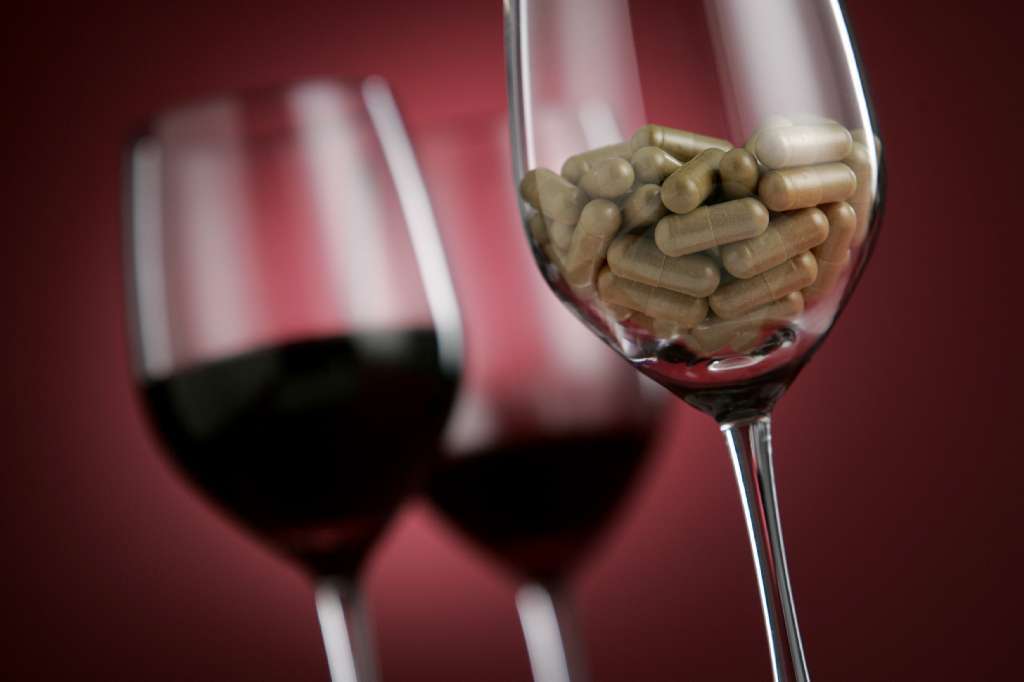
RESVERATROL: THE ANTI-AGING POWERHOUSE

RESVERATROL: THE ANTI-AGING POWERHOUSE

RESVERATROL: THE ANTI-AGING POWERHOUSE By: Allie Might, FMC, INHC, ATT   Anti-aging means something different to everyone. Some of us associate anti-aging with skin care and physically looking younger than we are, while others think of maintaining a healthy heart and healthy brain function with 

The True Role of Vitamin K, Invite Health Podcast, Episode 668

The True Role of Vitamin K, Invite Health Podcast, Episode 668


Subscribe Today!

Apple PodcastsGoogle PodcastsiHeartRadioSpotify

Please see below for a complete transcript of this episode.

THE TRUE ROLE OF VITAMIN K, INVITE HEALTH PODCAST, EPISODE 668

Hosted by Amanda Williams, MD, MPH.

*Intro Music*

InViteⓇ Health Podcast[00:00:04] Welcome to the InViteⓇ Health Podcast, where our degreed health care professionals are excited to offer you the most important health and wellness information you need to make informed choices about your health. You can learn more about the products discussed in each of these episodes and all that Invite Health has to offer, at www.invitehealth.com/podcast. First-time customers can use promo code podcast at checkout for an additional 15% off your first purchase. Let’s get started.† [00:00:34]

*Intro Music*

Amanda Williams MD, MPH: [00:00:40] There are many misconceptions when it comes to vitamins and minerals, but one really sticks out when it comes to misinformation and just not understanding what this vitamin is doing for the human body, and that’s vitamin K. I am Dr. Amanda Williams, scientific director at Invite Health, and this is a topic that I have discussed in length with so many individuals on a 1 to 1 basis, because there is a lot of fear about supplementation with vitamin K. Is it safe? Should I be taking it? What if I’m on a blood thinner? Is this going to be a problem? And there is a lot that we understand about the mechanism of action, about vitamin K but there are so much more that we are actually learning. Understanding how Vitamin K is playing a role even in respiratory health. Most people, if they think about vitamin K, they think about blood clotting or they think about bone health. And we have to understand that vitamin K is not causing blood clots, that’s the first misconception. It’s part of what is known as the blood coagulation cascade. So it plays a role as a cofactor. The body requires Vitamin K, Vitamin K1 in particular when it comes to the way that the body can clot up if we have an injury. So say, for example you have a cut and you start to bleed, Vitamin K is then looked at as being a factor in allowing the body to be able to stop itself from having excessive bleeding, but it’s not creating blood clots and this is where that common misconception comes into play. And there is much out there still in the traditional medical world that if someone is on a blood thinner than they have to at all costs avoid vitamin K and even avoid green leafy vegetables where you may get too much vitamin K. Now, interestingly enough, all the way back in 2005, University of Texas, School of Pharmacy did a really fascinating study, where they gave individuals who were taking warfarin, so taking a very powerful blood thinner. So, warfarin, very powerful blood thinner, and they gave these individuals low dose vitamin K and through supplementation of giving them the low dose vitamin K, they found that this actually helped them have more regular INR readings, which is the international normalized ratio. And INR is the way that they can test to see how much warfarin they should be giving someone. Is the blood getting too thin? Is the blood getting too thick? And they found that when folks who were taking warfarin started to supplement with low dose vitamin K, that they actually had longer periods where their INR stayed in a healthy range, so they didn’t have to keep auto adjusting the warfarin dose, so this in and of itself was a wonderful finding. However, most doctors still didn’t catch on to this like, well, hey, if someone eats a salad, is that going to screw up their warfarin? No. If anything, what this study indicated was that this was going to help to improve a better time slot to which their INR would remain in a normal range. So you fast forward and we go down the road another ten years and another study came out looking at the genetic influence that even plays into this when it comes to vitamin K. So, we always have to understand that our genes are regulating every single process in the body, including vitamin utilization. So in this particular study, they were looking once again at INR control, so looking at the rate in which the blood remains at the right viscosity, so not too thin, not too thick, and recognizing that individuals who had better uptake of vitamin K or their gut-based vitamin K production coming from the microbiome was much more efficient they had significantly better normalization of their INR. So say if they had to be on warfarin, they had to be on this blood thinner. They found that vitamin K levels influenced this significantly. So, having better vitamin K levels, not avoiding vitamin K, but actually taking vitamin K in to their diet or via supplementation helped with that gene regulation of how vitamin K was actually working. So, this is one misconception, is vitamin K, this danger vitamin. And the answer to that clearly is no.† [00:04:55]

[00:04:56] So, let’s talk all about vitamin K and what vitamin K is actually doing in the body. There are multiple utilizations of vitamin K. We know that just from The Journal of the American Heart Association. They know that vitamin K reduces arterial calcification. So, we don’t want to have calcium building up within our artery walls, it’s not a good thing. In addition to this, we also know the basics of vitamin K as far as strengthening bone, which can lower the risk of osteopenia, osteoporosis, and of course, fractures. We can look at how vitamin K plays a significant influence on blood glucose regulation. So even from lowering the risk of diabetes, we can see the influence of Vitamin K’s actions in the brain and cognitive function. We know that it is playing a driving force in inflammatory regulation. So, having low levels of inflammation in the body can be linked to having healthy vitamin K levels. So, vitamin K is a fat-soluble  vitamin. We know this, we know that there are other fat soluble vitamins, including A, D and E, and we know that vitamin K comes in two different forms. You have vitamin K1, which is found predominantly in green leafy vegetables, and then we have vitamin K2, which we generally find more in things like hard cheeses, eggs, for example. In any case, we know that our daily exposure just from diet alone on vitamin K is not generally up to par, as with most other vitamins and minerals. Just our dietary intake of those are not going to be high enough for that particular vitamin or said mineral to be able to perform all of the actions that the body is requiring. Same thing when we look at vitamin K, so vitamin K2, this is the one that’s been probably researched more extensively in terms of its cardiovascular benefits in the more recent years. So, you have vitamin K2 and it has two different forms, you have MK 4 and MK7. MK7 is the one that they usually zero in on on most clinical trials. MK7 is, you know, found once again in those different cheeses, different fermented foods. Natto, for example, so we can draw that correlation between those cardiovascular benefits in a traditional Japanese diet because of that high consumption of natto in their diet. And then hence why is that? Because of that MK7, Vitamin K2 form. So, looking at vitamin K’s use and we say, okay well maybe we’re going to use the invite K1/K2 complex, because we know it’s beneficial for our bones and we know it’s beneficial for helping to assist calcium find its way to the bones. I always say vitamin K2 can kind of be looked at as that helper. It finds calcium, or it may just be lingering around and says, hey, do you need a lift? I’ll help you find your way to the bones. So when we think about bone mineralization, Vitamin K2 is definitely integral to this. And so if we can get that calcium out of the vascular system and into the bone, hence we’re getting that double benefit, and this is why supplementation with vitamin K1 and K2 is definitely warranted, especially in situations if we have underlying concerns with cardiovascular health or metabolic concerns such as diabetes. For example, we know that diabetics have a tendency to have low levels of vitamin K1 and 2 in their system, which can lead to, once again significant problems. We always want to be able to identify where these vitamins are working. The actions that they’re taking, how supplementation with vitamin K1 and K2 has been shown to even improve overall cognitive function. So, the action is not limited somehow just to the health of our heart and the health of our blood vessels or to the health of our bones. We can see how we get this whole body health benefit from this one vitamin. Now, there are two forms of that vitamin, but in any case, supplementation with vitamin K1/K2 complex definitely is going to lead you down that right path for that overall systemic benefit. And these are the things that we always want to be able to zero in on. †  [00:09:31]

ICYMI: B-COMPLEX VITAMINS ARE NEEDED FOR A HEALTHY BRAIN, INVITE HEALTH PODCAST, EPISODE 667>>LISTEN NOW

[00:09:32] I talked recently about the the benefit of vitamin K when it comes to respiratory health. The recent study that just came out indicating how Vitamin K can definitely play this protective role in individuals who have respiratory disorders and seeing an improvement in overall pulmonary. function in individuals who have chronic bronchitis, COPD, Emphysema. So their findings indicate that supplementation with Vitamin K would be advantageous because in those individuals who have low serum levels, your blood level of vitamin K is too low. This has been linked directly to poor lung function, so hence supplementation for someone who has respiratory concerns with vitamin K would be incredibly wise choice. And I always enjoy talking about, you know, just simple vitamins and simple minerals. Because sometimes we so much overlook the true importance of why we come into this world equipped with these different nutrients on board and understanding that if we have low serum levels of vitamin K, this is been directly associated with an increased risk of all cause mortality. What’s that mean? It means death due to any cause and when they start to extrapolate out all the factors leading to that death that they can find that those low vitamin K levels are a contributing factor. So, when you look at all cause mortality, that’s basically by definition what we’re looking at. So, we have a death because of cancer, let’s just say, and they start to look at all of the factors. They look at diet, they look at sedentary lifestyle, they look at serum vitamin levels, serum mineral levels and you can see that correlation between low blood levels of vitamin K and an increased risk. We certainly see this with low levels of vitamin K2 in particular when it comes to coronary heart disease and in the British Medical Journal, they were looking at the vitamin K levels of close to 3000 people between the ages of 46 and 49 years old, and then they followed them for over a decade and then they started to assess their risk levels for coronary heart disease and they could once again draw back this increased risk for heart disease in individuals who had that low vitamin K level. So, whether we’re looking at metabolic conditions such as type two diabetes, pre-diabetes, that link between low vitamin K intake and the development or the exacerbation of that disease state, we definitely know that vitamin K is a protective driver for all things in the body. So, we really do get these whole body benefits when it comes to vitamin K supplementation. Unfortunately, as I mentioned, there are so many bits of misconception on vitamin K, you know, when it comes to vitamin deficiencies. Vitamin deficiencies aren’t as common as vitamin insufficiencies. So to be truly deficient in one said vitamin usually isn’t the case. However, we know that insufficient levels is what can drive, kind of be like this little slow burn in the body. Because if we don’t have enough vitamin K, we have some, but not enough. You can now start to see where those problems can start to arise in all systems when it comes to regulation of inflammation, when it comes to brain health, heart health, and pancreatic health. So, this is why understanding the function of vitamin K and the need for vitamin K in the system is really very essential and hence why vitamin K matters. So, that’s all that I have for you for today. Hopefully you walk away with this one with a little bit better understanding of the importance of vitamin K and definitely speak with one of our nutritionists when it comes to how you can incorporate vitamin K1/K2 complex into your daily supplementation routine. I want to thank you so much for tuning in to the InViteⓇ Health Podcast. Remember, you can find all of our episodes for free wherever you listen to podcasts or by visiting Invitehealth.com/podcast. Now do make sure that you subscribe and you leave us a review. You can follow us on Facebook, Twitter, and Instagram, and we will see you next time for another episode of the

InViteⓇ Health Podcast [00:09:32]

*Exit Music*


Stroke, Part III, Invite Health Blog

Stroke, Part III, Invite Health Blog

Written by Dr.Claire Arcidiacono, ND For further questions or concerns email me at carcidiacono@invitehealth.com† In this final part on strokes, I wanted to review the most common symptoms that can indicate a stroke. One point I would like to emphasize is that we are all individuals. 

Antiaging Benefits of Taurine, Invite Health Podcast, Episode 655

Antiaging Benefits of Taurine, Invite Health Podcast, Episode 655

Subscribe Today! Please see below for a complete transcript of this episode. ANTIAGING BENEFITS OF TAURINE, INVITE HEALTH PODCAST, EPISODE 655 Hosted by Amanda Williams, MD, MPH. *Intro Music* InViteⓇ Health Podcast Intro: [00:00:04] Welcome to the InViteⓇ Health Podcast, where our degreed health care 

The Underestimated Benefits of Cranberry, Invite Health Podcast, Episode 652

The Underestimated Benefits of Cranberry, Invite Health Podcast, Episode 652


Subscribe Today!

Apple PodcastsGoogle PodcastsiHeartRadioSpotify

Please see below for a complete transcript of this episode.

THE UNDERSTIMATED BENEFITS OF CRANBERRY, INVITE HEALTH PODCAST, EPISODE 652

Hosted by Jerry Hickey, PH


*Intro Music*

InViteⓇ Health Podcast Intro: [00:00:04] Welcome to the InViteⓇ Health Podcast, where our degreed health care professionals are excited to offer you the most important health and wellness information you need to make informed choices about your health. You can learn more about the products discussed in each of these episodes and all that Invite health has to offer at www.invitehealth.com/podcast. First time customers can use promo code podcast at checkout for an additional 15% off your first purchase. Let’s get started. † [00:00:34]

*Intro Music*

Jerry Hickey, Ph: [00:00:40] Cranberries are highly underrated for their health benefits. Cranberries have a very high antioxidant content, especially polyphenols. These are very powerful anti-inflammatory antioxidants, so this makes them healthy. But this high polyphenol content also makes them taste very bitter. So, this is why when you get a cranberry drink or cranberry juice, they add a lot of sweeteners. So, the antioxidants in cranberries, they’re very good for your heart. And the ingredients in cranberries also help prevent future urinary tract infections. So, it’s important to differentiate here. It’s not for treating a current urinary tract infection. It’s to help prevent future urinary tract infections. And this is in people prone to them. Like certain women may get two or three or four urinary tract infections every year. So, it’s good policy for these women to consume in some way, shape or form a high-quality cranberry product. So, what else are cranberries good for and do they truly help urinary tract infections? All this and more in my episode, The Underestimated Cranberry. Hi, my name is Jerry Hickey, I’m a nutritional pharmacist, a licensed pharmacist specializing in nutrition. I’m also the senior scientific officer and a scientific director over here at Invite Health. You can find all of the Invite podcast episode for free wherever you listen to podcasts or just go to invitehealth.com/podcast. You can also find invite on Facebook, Twitter and Instagram at Invite Health. And the description of this podcast is, you know, everything I talk about is in the podcast description. † [00:02:28]

[00:02:29] So, now Native Americans have been using cranberries for an awful long time. They used them historically for traditionally for bladder diseases, kidney diseases, urinary tract infections. And the early settlers up in New England, they got a hold of cranberries, also, of course, they grow up in Massachusetts. It’s known for them. They used them to help with digestive tract issues. Well, that makes sense. Cranberries have bitters and bitters help, if you take it after a meal, it’s a stomachic and it helps you, well, it’s like an aperitif, and it helps you break up gases and digest your food, etc..the bitter principles. And if you take it before a meal, you can use it to stimulate the appetite because of the same bitters. But it’s also used to help, they used it to help treat scurvy because there’s polyphenols and vitamin C in there and the polyphenols add to the benefits of the vitamin C, they amplify the benefits of vitamin C. Without vitamin C, you literally melt, you literally fall apart. So, cranberries are related to blueberries and bilberries. Bilberries are a northern European version of blueberries are also called whortle berries that seem to be good for vision and night vision. The biggest manufacturer of cranberries, the biggest grower of cranberries, Wisconsin. And that’s followed by Massachusetts and Oregon. And they grow on vines, by the way. Now, cranberries contain many healthy constituents, a lot of them are polyphenols. Polyphenols are major constituents in a lot of fruits and vegetables and herbs and spices that are incredibly powerful for protecting. For instance, milk thistle is good for you because of the polyphenols in milk thistle. It’s good for your liver and even your kidneys. Legumes have polyphenols that help protect you from heart disease and certain cancers. Green Tea has polyphenols that I just did a podcast on green tea and the polyphenol contents that should be up on the website already. So, you can just listen to that. † [00:04:45]

[00:04:45] So, a lot of plants that protect you, it’s because of the polyphenols, it’s not just the polyphenols. There could be other constituents too, such as carotenoids, that are very beneficial. So cranberries contain these healthy constituents, quercetin and myricetin, and peonidin. These are all very powerful polyphenols. They’re all very powerful antioxidants that help reduce inflammation. It’s always important to lower cellular inflammation. It’s the peonidin that gives the cranberries their reddish color. There’s also Ursolic acid, that’s an anti-inflammatory. And the constituents that help prevent urinary tract infections are called a-type proanthocyanidins, a-type proanthocyanidins. And there’s a couple of thoughts of how they prevent urinary tract infections. One is they have a mild acid effect and bacteria don’t grow well on acids. The second reason is that this makes the urinary tract slippery, there’s some evidence that people who are prone to urinary tract infections, not only is it related to hygiene, but they lack a mucous that coats the urinary tract that makes it slippery, so it’s hard for bacteria to adhere to the lining of the urinary tract. And then when they urinate, the force of the urine is like a garden hose and flushes the bacteria out because of the slipperiness. So, it seems that cranberry covers all of these, but it’s not just for urinary tract infections. There’s some evidence that cranberry is good for the brain, but there’s certainly a good amount of evidence that it’s good for your heart. So, there’s more evidence that’s good for your heart. This is the European Journal of Nutrition, it’s Tufts University up in Boston. Tufts is a great learning institution, a great academic research institution. And it’s Washington State University, and it’s 78 people who range from overweight, and I don’t mean muscle, I mean fat from overweight to obese men and women. And they drank a cranberry juice that was high in polyphenols, these are the anti-inflammatory, antioxidant constituents. But it was low in sugars, it was low in calories. So, they gave them a cranberry that deliberately is low in sugar, but high in these polyphenols. They drank it daily for eight weeks. Some drank placebo. So, you know, you need something to measure the effects of the cranberry, too. And you do it with placebo drink. So that would be a cranberry minus the polyphenols and the cranberry improved their control of their blood sugar. Now, this is important,people who are overweight with fat and people who are obese, they are prone to higher levels of insulin in their blood. And eventually insulin doesn’t work. They develop insulin resistance, and their sugar stays high and a need for prediabetes and eventually diabetes. So, it lowered the serum insulin levels, which is good, meaning that cranberry potentially has some ability to lower your risk of developing diabetes if you’re not in shape and a lowered something called CRP. That’s really interesting. CRP stands for C-reactive protein. It’s released from your liver when you’re inflamed. So, it’s a proxy for inflammation. We don’t know if CRP itself is good or bad. Does it add to the problem, or does it protect you? But we know when your CRP goes up, you’re inflamed. So, it was lowering CRP, meaning it was lowering inflammation. That’s good because that CRP inflammation is bad for the heart and the brain, etc.. It’s bad for the kidneys. And it raised a little bit, HDL, good cholesterol. You never want super high levels of good cholesterol because then it becomes bad like bad cholesterol like the LDL does. But you want it to be in a good range, like maybe 40 to 50. So, the cranberry was upping the HDL a couple of points, which is something that’s very difficult to do. So once again, across the board as a public health policy, having foods like cranberry, lowering inflammation, helping balance your sugar and slightly boosting HDL is a way to lower your risk of heart disease and stroke and heart attack and potentially cancers. † [00:08:57]

[00:08:59] So, here’s the journal Chemical Interventions in Nutrition Mar 2020. And it’s a meta-analysis. Now, I’ve explained this a number of times, but not everybody listens to every podcast. A meta-analysis is when you choose a bunch of studies. So, the researchers go, and they say, you know, we have this criterion. So, the criteria in this case would be heart health and cranberries. And they look for the studies and they collate the really good ones, the ones lacking bias, the ones that are well-designed and well reported. And that really means something one way or the other. When you put together a bunch of these studies, first of all, it gives you a much bigger population, so gives you a lot more power, a lot more people. It’s a more powerful study. And also, there’s all different academic research institutions and clinicians and scientists involved, and statisticians involved. So, it’s a more sure way to prove something either works or doesn’t work. So, if a meta-analysis is done properly, it tells you something works, or it doesn’t work. So, this meta-analysis, cranberries lowered triglycerides. Now, triglycerides are a sticky fat. They are sticky fat like a jelly donut in the blood. The body uses them for energy. But here’s the problem, most people or many people eat like lumberjacks, but they don’t exercise like lumberjacks. They don’t get that physical activity. Instead, they’re sitting behind their computer or in front of TV or playing cards or whatever it is, they’re not getting, so they’re eating more calories than they need. The calories are transferred into triglycerides. It’s not being used for energy. So instead, it’s clogging up maybe the arteries in the heart. Maybe it’s invading the kidneys a little bit, it’s certainly invading and damaging the liver. They increase the risk of stroke and heart disease, not a good thing. So, and triglycerides seem to be as dangerous, if not more dangerous than cholesterol. Okay. So that’s the truth of the matter if you look at the data. So, it lowered serum triglycerides, which is one of the greasy fats you want to lower, just like bad cholesterol. It improved HDL, a modest amount, that’s a good thing. And it truly does help lower diastolic blood pressure in people over the age of 50, now, that’s important. Let’s talk about that. † [00:11:17]

GO-TO SUPPLEMENTS TO SUPPORT BLADDER FUNCTION, INVITE HEALTH PODCAST, EPISODE 640>>LISTEN NOW!

[00:11:20] When you look at the blood pressure figure, let’s say a beautiful blood pressure of 110 over 70, 110 is the top figure that’s systole, systolic blood pressure. That’s when the heart’s pumping out oxygen, rich blood all over the body. The bottom figure is called diastole or diastolic blood pressure. That’s when the heart is getting a tiny rest and it’s refilling. So, if either one of those figures is highly elevated, it’s a really dangerous thing. So, I’m not saying the cranberry treats high blood pressure. It wouldn’t have enough of an impact like a high blood pressure treating drug. What I’m saying is, it would lower your blood pressure enough on a daily basis when you’re older, to help prevent an elevated blood pressure from damaging your blood vessels, like your arteries and veins, for damaging your heart and your brain and your kidneys. So, it’s a preventative thing, that’s not a treatment thing, but there really is benefit to the prevention. Now, this is going into the urinary tract. Now we’re talking about the urinary tract. This is the Journal of Nutrition. It’s 2017, December 2017, and it’s Tufts University School of Medicine up in Boston and UCLA School of Medicine down in Los Angeles, University of California, Los Angeles. And once again, it’s a meta-analysis, so it means something. It’s seven randomized controlled human clinical trials. It’s 1500 women, and these are healthy women. They’re not pregnant, but they’re prone to urinary tract infections. Having cranberry frequently reduce the risk of urinary tract infections by 26%, so, that’s pretty good. That’s pretty good. So, here’s the American Journal of Clinical Nutrition, it’s June of 2016. It’s the Department of Medicine, Boston University School of Medicine. So, that’s top-notch research center, Bioforte’s Clinical research. That’s a lab that does human research. M.D. clinical research, same thing, a lab that does human clinical research. It’s a randomized, controlled trial of over 370 women with a history of urinary tract infections currently. So, within like the past three months, six months a year, they’ve had urinary tract infections. So, these are women who currently have a history of urinary tract infections. And it was a 24-week trial using liquid cranberry. Now, cranberry reduce the rate of urinary tract infections by 42%, not just the risk, but the actual number of urinary tract infections was almost cut in half and the need to use antibiotics was cut by about 40%. It also reduced pyuria well, pyuria means there was a lot of white blood cells like neutrophils in the urine. So that shows it’s really doing something with the urinary tract. So, let’s keep on going looking at urinary tract infections. That’s, this is the Marucci center at Rutgers University and the Cochrane Kidney and Transplant Register, which is a specialized register. So, this is a highly credible review of human clinical trials. That’s part of Cochrane database of systematic reviews. And it’s also Australia researchers, the Center for Kidney Disease Research and Children’s Hospital, Westmead. Cranberry, reduce the risk of urinary tract infections in children and women and other people, prone to urinary tract infections like women and older people in general are the ones most commonly at risk for urinary tract infection. So, it was working. So, this was 50 studies, 8900 participants. And it really, it really had an effect. It really cut the risk of urinary tract infections in people. So, here’s frontiers in public health. They estimate there’s 400 million urinary tract infections globally each year. And they looked at 45 studies, of which 26 were brand new research, and they found that cranberry juice or cranberry capsules are a safe and easy and effective, convenient way to reduce the incidence or recurrence of a urinary tract infection. So, in general, for all of us it would cut the risk. But in people who are prone to urinary tract infections, it really did have that effect. And here’s one I skipped over by accident looking at other benefits of cranberry. This is the Journal of Nutrition, June 2015 it’s the Beltsville Human Nutrition Research Institution. So, this is the United States Department of Agriculture, and it was a randomized controlled trial of 56 people, and they gave them a low-calorie cranberry juice similar to the other study. Similar to the other study. Same kind of results at lower trigger triglycerides, which is a greasy fat that’s bad for the brain, bad for the heart, bad for the liver. It lowered inflammation. It lowered diastolic blood pressure, and it lowered fasting blood sugar. So over time, this reduces your risk of developing heart disease, because if you could lower each of these risk factors just a little bit, that adds up to a very good level of protection. So, it is a lot to cranberry. † [00:17:15]

A LITTLE COCOA GOES A LONG WAY, INVITE HEALTH PODCAST, EPISODE 622>>LISTEN NOW

[00:17:16] And I, um, I take a cranberry capsule once in a while because it’s been shown for circulation, to be good for circulation to the brain. Resveratrol has been shown to be good for that. That’s a very good vasoactive supplement, Cocoa, but you have to get a good quality Cocoa and cranberry have all been shown to be helpful with the brain. Same with red beets, red beetroot and tart cherry. So, all those things are good for the brain. So, I do a cranberry once in a while, just, you know, a little extra protection for my brain. I do resveratrol every day for my brain, for circulation to my brain. So, in any event, I want to thank you for listening today. You can find all of our episodes for free from Invite Health wherever you listen to podcasts or go to, invitehealth.com/podcast. And once again, you can always find Invite on Facebook, Twitter and Instagram at Invite Health. Jerry Hickey signing off and I hope I see you next time on the next InViteⓇ Health Podcast. Bye bye.† [00:17:16]

*Exit Music*

invite health podcast disclaimer

jerry hickey invite health podcast