Tag: inflammation

Why Black Seed is the Herbal Support You’ve Been Looking For

Why Black Seed is the Herbal Support You’ve Been Looking For

Photo by A Fox on Unsplash Native to Southern Europe, North Africa and Southwest Asia, Nigella sativa, or Black seed, has been used as a medicinal plant throughout the world, including the Middle East and South Europe. The seeds of N. sativa and their oil 

The Importance of Understanding Your Blood Test Results

The Importance of Understanding Your Blood Test Results

Written By Amanda Williams, MPH How often have you had an annual physical and are told by your healthcare provider that “everything looks good”? You leave their office feeling assured that everything is okay, health wise. But what does that “okay” mean exactly? The question 

Green Tea Pumps the Brakes on Accelerated Aging by Amanda Williams, MPH

Green Tea Pumps the Brakes on Accelerated Aging by Amanda Williams, MPH

awilliams

Amanda Williams holds a doctorate in medicine from Xavier University in Aruba, a Master’s degree in Public Health from Nova Southeastern University, and a Bachelor’s degree in biology from St. Mary’s College Orchard Lake. Her background in disease state management allows for a unique nutritional approach to many of the most common health concerns. She has successfully completed training as an instructor in Diabetes Self-Management through Stanford University. To stay on top of the wellness world, she continues to obtain medical education credits through the American Academy of Anti-Aging. Amanda is currently the Director of Nutrition for InVite®’s Boca Raton store. Email Amanda Williams: AWilliams@invitehealth.com

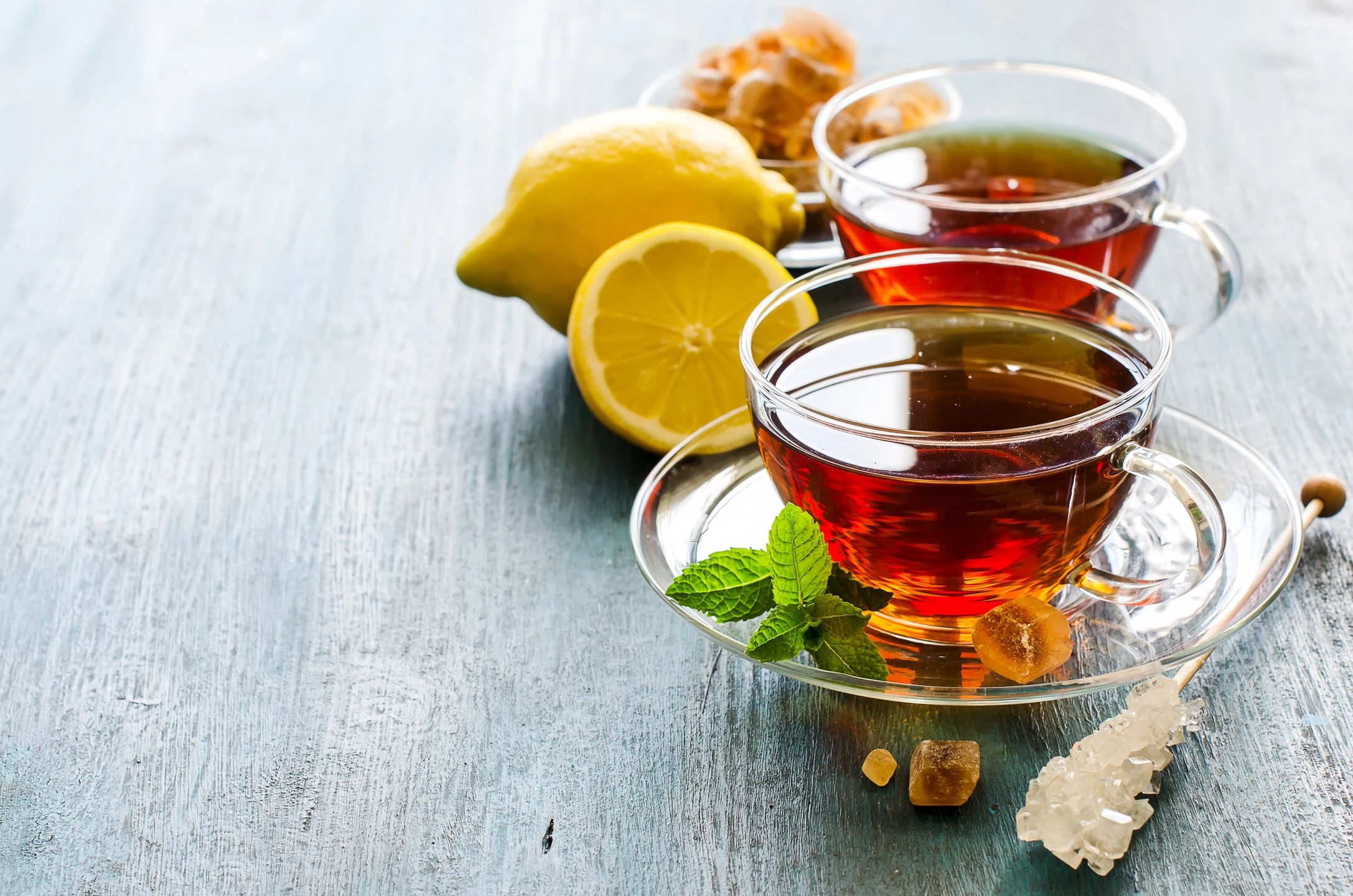
Teas have been consumed for centuries throughout the world. We have all probably heard of the potential health benefits tea may provide for our bodies. In fact, a systematic analysis of green tea polyphenols showed that 15 separate polyphenols from green tea target 200 human genes. These targets were classified into six groups according to their related disease, which included cancer, diabetes, neurodegenerative disease, cardiovascular disease, muscular disease, and inflammation. Green tea has been studied the most extensively of all of the teas. Many have come to realize the potent antioxidant capabilities that green tea offers. Of course it’s most famous polyphenol is EGCG.

What is EGCD?

EGCG, short for Epigallocatechin 3-Gallate, is the most potent of the green tea polyphenols, and has been the direct subject of the extensive research conducted on green tea. The interesting thing about EGCG is that it appears to affect a number of molecular processes, including induction of tumor cell apoptosis and inhibition of tumor growth, invasion, and angiogenesis, and research is under way to define the precise molecular processes affected. EGCG has an antioxidant activity about 25 and 100 times greater than that of vitamins E and C, respectively, and is the most potent of all the catechins.

Clinical Study: EGCG from Green Tea may decrease the risk of bladder cancer

What we do know is that arthritis affects close to 50 million people in the U.S. alone and it is expected to continue rising. We know currently the medical community focuses on NSAID’s (nonsteroidal anti-inflammatory drugs), and immunosuppressant’s such as Enbrel, to target RA and OA. What we also know is that EGCG from green tea has been studied extensively in terms of regulating the expression of cytokines, chemokines, reactive oxygen species, COX2 and prostaglandins. Hence, the inflammatory mediators in the body.

Inflammation

One of the most unique functions of EGCG in the body is that multiple studies have proven that EGCG is highly effective at “turning off” the HMGB1 switch that induces chronic inflammation. HMGB1 stands for “High Mobility Group Box-1”. HMGB1 turns on the release of chemical signals called cytokines that generate inflammation in your body. It releases inflammatory cytokines during an acute inflammatory response which is great. The problem is if and when there is cellular damage the HMGB1 will leak out of the cell and cause chronic inflammation, which is not a good thing at all. What we know is that HMGB1 is now looked at as one of the most powerful agents in accelerated aging or INFLAMMAGING.

Read more: Chronic Inflammation: The Slow Burn of Disease by Nicole Crane, BS, NTP

Elevated HMGB1 levels have now been found to be associated with many acute and chronic inflammation-related disorders, including: asthma, COPD, heart disease, diabetes, cancer, autoimmune diseases, neurodegenerative disorders, and inflammatory bowel disorders.  Two very recent studies from the Department of Emergency Medicine, North Shore University Hospital on Long Island, New York; University School of Medicine, New York; and the Feinstein Institute for Medical Research, Manhasset, New York, looked at the therapeutic role of targeting HMGB1 in sepsis. Sepsis and severe sepsis are leading causes of death in the United States and the most common cause of death among critically ill patients in non-coronary intensive care units. Sepsis occurs at an estimated rate of 300 cases per every 100,000 patients in the United States. It is remarkable that researchers are now looking outside of the box to find alternative therapies to target sepsis.

This is very exciting information as well as a breakthrough in scientific findings regarding EGCG from green tea and its profound benefits on our health. As we are becoming ever more aware of the direct connection between accelerated aging and chronic inflammation. We need to be cognizant of the nutrients available to us that help to keep us away from the pro- inflammatory state that drives up the likelihood of chronic disease.

For a full list of references, click here!

Read more about the uses and benefits of Green Tea Antioxidants by Jerry Hickey, R. Ph by clicking here!

INVITE® HEALTH CURRENT SALE

The Link Between Inflammation and Sleep

The Link Between Inflammation and Sleep

The Center for Disease Control (CDC) reports that insufficient sleep is associated with a number of chronic diseases and conditions that especially threaten the health of the U.S. population, as high numbers of the population suffer from diabetes, cardiovascular disease, obesity, and depression. A new 

Expert Discussion: N-Acetyl-Cysteine (NAC) by Jerry Hickey, R. Ph

Expert Discussion: N-Acetyl-Cysteine (NAC) by Jerry Hickey, R. Ph

Jerry Hickey is a pharmacist and radio personality and fills the esteemed role of Scientific Director and President of Invite Health. He has spent his professional life analyzing nutritional information and medical studies with the aim of creating the highest quality and most natural nutraceuticals 

Expert Discussion: Curcumin by Jerry Hickey, R. Ph

Expert Discussion: Curcumin by Jerry Hickey, R. Ph

Jerry Hickey is a pharmacist and radio personality and fills the esteemed role of Scientific Director and President of Invite Health. He has spent his professional life analyzing nutritional information and medical studies with the aim of creating the highest quality and most natural nutraceuticals for user’s maximum health benefits. Here, Jerry speaks about the benefits of Curcumin…

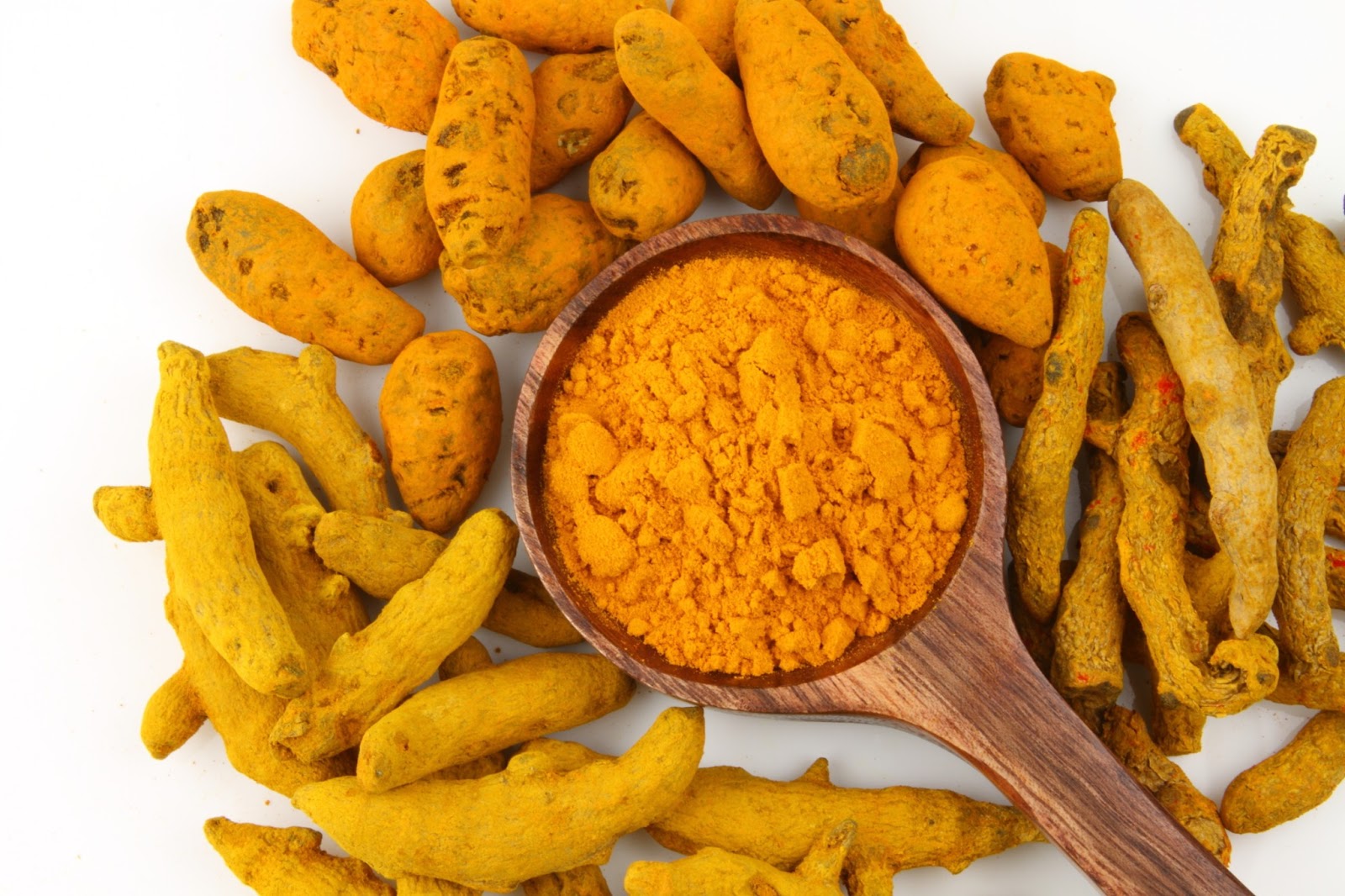
There are thousands of studies and hundreds of human clinical trials on curcumin. Here’s a study on curcumin published in the American Journal of Cardiology. They took people that were having CABG, or coronary artery bypass grafting which is a serious operation. It includes taking a blood vessel from a different part of the body or from some other animal and putting it in your body to improve the blood flow inside of your heart. Researchers took 121 patients that were having a CABG and gave them a curcumin, like Bio-Curcumin, or an inactive placebo, starting three days before and continuing for five days after the surgery. Now, the reason they did this is because people who go for CABG surgery have a risk of suffering from a heart attack during or after surgery. Now, these heart attacks usually are not fatal, especially since you have cardiac nurses and cardiologist medical doctors surrounding you while performing the surgery. The problem is that any heart attack can cause damage to your heart. So, 121 people who were going for a CABG, about half of them were given Bio-Curcumin starting three days before and continuing for five days after the surgery. It cut down the risk of a heart attack related to the surgery by 65%. Thirty percent of people not on curcumin had heart attacks, which sounds pretty high. Only 13% on curcumin had a heart attack. So, it cut the incidents of heart attack and the risk of heart attack dramatically in people who were having heart surgery this may be because heart attacks can be triggered by inflammation during the surgery and exposure to free radicals, which occurs when blood flow to the heart stops. When you consume curcumin, it lowers inflammation in the body.

Cancer

Smokers are prone to colon cancer. When they gave smokers curcumin, it reduced the number of precancerous cells in their colon by 40% within the first 30 days. Smokers develop a lot of cancers, and one of the cancers is colon cancer. The reason for that is due to the cells that release mucus in the colon and the intestines which protects it from bacteria, solvents and toxins. These can become inflamed from cigarette smoke, making it precancerous and then cancerous. So, when they gave smokers curcumin, within 30 days, they had 40% fewer precancerous cells.

Depression

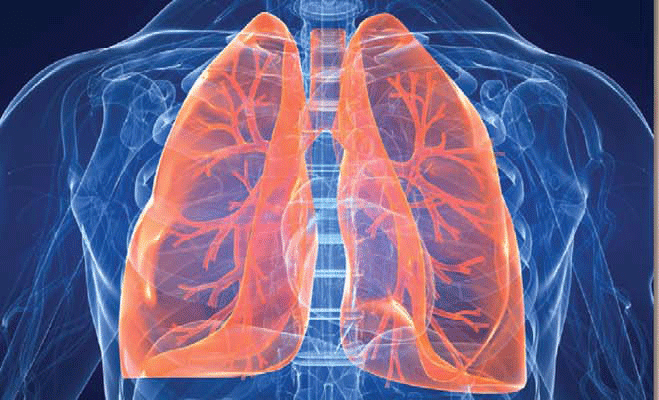
One of the current studies going on with curcumin right now is comparing a certain type called Bio-Curcumin to Prozac to see if it’s as effective for depression. They’re giving patients curcumin, Prozac or curcumin with Prozac and, of course, some of the patients were taking a placebo. There’s another curcumin study from the Jewish General Hospital in Montreal, Quebec, and they’re adding it to chemotherapy for lung cancer patients to see if it improves their chances of survival.

5-Loxin

One of the ingredients is from the frankincense plant, it’s called 5-Loxin, named after the pathway that it inhibits in joint discomfort. There are two distinct pathways that cause inflammatory response throughout the body. Like with lung inflammation or skin inflammation and itching in the colon, some of those immune-derived inflammatory responses are a problem for people. The absorbable form of Turmeric (Biocurcumin) and Boswellia (5-loxin), when combined, inhibit the COX-2 enzyme, proven through studies at Baylor College. Traditionally, that’s how they help joint discomfort. The other, the 5-Loxin, inhibits a really nasty enzyme called the 5-Lox enzyme that makes a body sore and uncomfortable.

There have been many human clinical trials on both of these ingredients; they’re both well-absorbed, and safe. During a 90-day clinical trial on 75 patients with very sore knees, a study found that within the first week, 5-Loxin was improving their quality of life; They had more mobility, their knees were more flexible, they could bend them and walk up the stairs more comfortably and pain was decreased.

Bio-Curcumin & 5-Loxin

The two herbs we discussed both work differently, complementing each other’s benefits. Just one herb showed a 53 percent improvement in pain scores, according to the medical doctors and joint specialists, a 63 percent improvement in stiffness scores, a 50 percent improvement in the ability to walk and carry out the activities of daily living. This is all according to the clinician. When they asked the patients, the patients actually rated it as a 70 percent improvement. That’s just from one ingredient!

FollowUs

InVite® Health Current Sale