Tag: inflammation

This is What Happens to Your Gut When You’re Stressed Out

This is What Happens to Your Gut When You’re Stressed Out

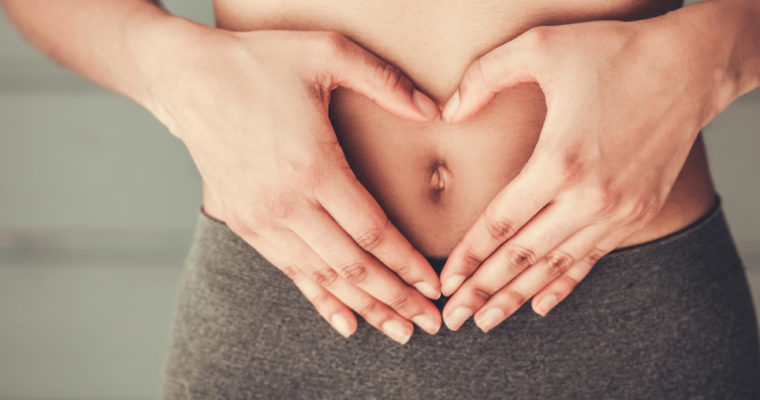
You may not have realized it, but your level of stress has a direct relationship with your gut. Have you ever felt extremely nervous before giving a major presentation? Or have you been so anxious because of a big test coming up that you’ve completely 

Why Chronic Inflammation is Important to Understand for All Ages

Why Chronic Inflammation is Important to Understand for All Ages

Photo by Imani Clovis on Unsplash Ouch! You stub your toe on your bedpost for the hundredth time. Almost instantly, the redness, pain, swelling and heat wash over your toe. These four symptoms are the classic and predictable signs of acute inflammation, and they serve 

Mushrooms: The Superfood You Have to Try

Mushrooms: The Superfood You Have to Try

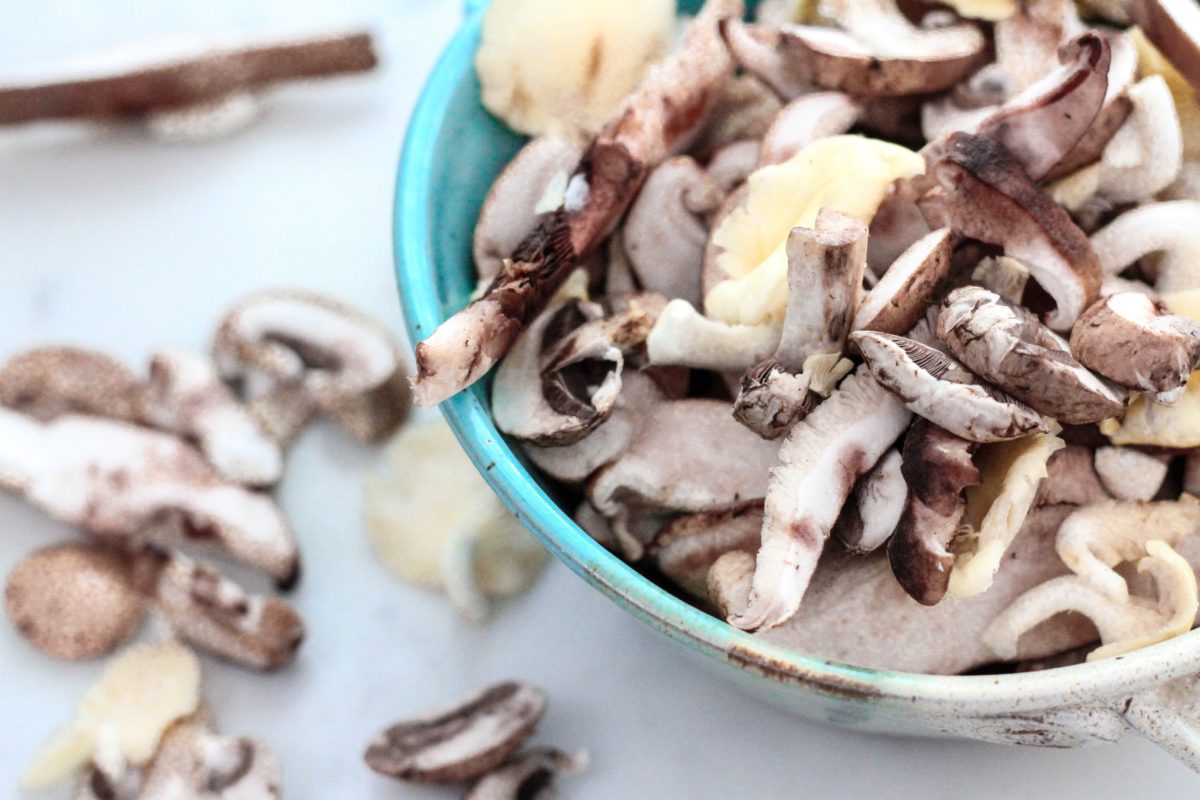
Photo by Jenn Kosar on Unsplash

Mushrooms are not just a popular pizza topping or delicious addition to a meal. They have been used as food and sometimes as medicine for centuries, especially in Asian cultures. They are exploding onto the health and beauty market for their proven benefits, from gut health to anti-aging.

Mushrooms are low in calories, fat and cholesterol-free. They have been used for thousands of years and are still going strong today, treating everything from inflammation to fatigue. Mushrooms contain some fiber and over a dozen minerals and vitamins, including potassium, magnesium, zinc and B-vitamins. Here’s why you should include mushrooms into your diet.

Gut Health & Inflammation

According to numerous studies, mushrooms act as prebiotics – food for the healthy bacteria in your gut – to stimulate the growth of gut bacteria, which contributes to a host of digestive benefits and overall wellness. A review published in the International Journal of Molecular Sciences found that mushrooms play an important role in regulating the immune system, increasing microbial diversity, stimulating local inflammatory response, and altering gut flora composition.

Skin Health & Anti-Aging

Research from Penn State has found that mushrooms have extremely high levels of two antioxidants that are known for their anti-aging and health-heightening qualities. Published in Food Chemistry, researchers analyzed the ergothioneine (ERGO) and glutathione (GSH) levels in 13 varieties of mushrooms and found that antioxidant levels found in them are higher than any other vegetable.

ERGO is an antioxidant amino acid that is produced by fungi. The human body does not make it, so it must be obtained by dietary sources. GSH has been referred to as the “Mother Antioxidant”, due to its ability to support the function of other antioxidants in the body.

Antioxidants, as many know, help your cells battle cell and tissue damage. If left alone, oxidative stress and free radicals (to name a few contributors) can cause your body to age faster than normal, as your cells become damaged. Antioxidants are your first line of defense.

Don’t Like Mushrooms?

If you find yourself having a hard time including mushrooms into your diet or simply do not like the taste, there are other options available!

Try a mixed fruit, mushroom, legume supplement that contains mushrooms and other ingredients you need throughout your day in order to support energy, respiratory health, immune system health, and healthy circulation.

Mushrooms are also, available in capsule form, for those who have a hard time including them into their diet. Look for a supplement that is made of a vegetarian capsule and contains more than 1 form of mushroom to reap all of the benefits of different types of mushrooms – cordyceps, maitake, shiitake, lion’s mane and more!

There are numerous studies which highlight the multiple benefits of mushrooms. How do you incorporate mushrooms into your diet?

INVITE® HEALTH CURRENT SALE

Fight Inflammation When You’re Young For Long Lasting Benefit

Fight Inflammation When You’re Young For Long Lasting Benefit

Photo by María Victoria Heredia Reyes on Unsplash Inflammation is your body’s natural response to protect itself against harm. “Harm” can include banging your knee, cutting your finger, infections like the flu, or even the affects of smoking. It is connected to diseases of the 

New Study: Aged Garlic Extract May Help with Inflammation Brought on by Obesity

New Study: Aged Garlic Extract May Help with Inflammation Brought on by Obesity

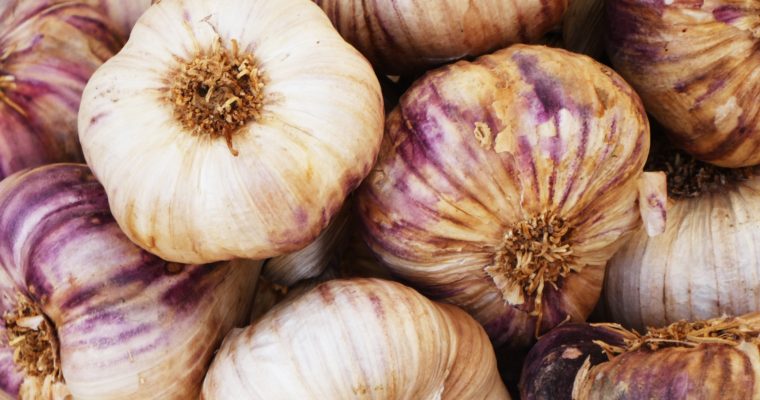
Photo by Nick Fewings on Unsplash A new study soon to be published in the Journal of Nutrition conducted by LA BioMed, has found that the supplement Aged Garlic Extract can “reverse the buildup of deadly plaque in arteries and help prevent the progression of 

Superfood Spotlight: Benefits of Beetroot

Superfood Spotlight: Benefits of Beetroot

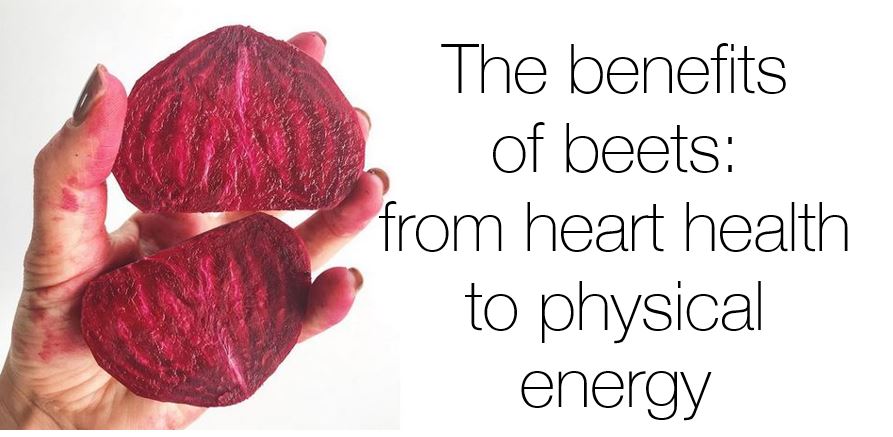
?: @culturekitty

Beets are a powerful superfood. Its reddish-brown betalains are powerful antioxidants that protect the walls of arteries. Trimethylglycine detoxifies homocysteine; elevated homocysteine is implicated in clogged arteries. The natural nitrates create nitric oxide, responsible for healthy blood flow, heart and circulatory health, and for support during physical activities. Beetroot has become very popular due to its high levels of nitrates that have important implications for managing cardiovascular health.

Heart Health

According to Scientific Director and Pharmacist Jerry Hickey, beets are a source of many heart health constituents. Beetroot helps to support healthy blood pressure and cardiovascular/circulatory health for many reasons – protecting the arteries and healthy blood flow. In a study published earlier this year in the American Physiological Society, researchers found that dietary nitrate (a compound that dilates blood vessels to decrease blood pressure) in beetroot juice reduced over stimulation of the sympathetic nervous system that occurs with heart disease.

Bioavailability

Bioavailability is a term that describes the ease with which any nutrient can be absorbed into the body from the food you eat; its active compounds are absorbed through the intestinal tract and made available in the body to be utilized by the cells for energy. In beets in particular, the bioavailability of its nitrates (as seen in numerous reports) are close to 100% absorption following digestion. [1]

Oxidative Stress

According to a report published in the journal Nutrients, beetroot supplementation might serve as a useful strategy to strengthen antioxidant defenses, helping to protect cellular components from oxidative damage.” Oxidative stress is the imbalance between the production of free radicals and the ability of the body to counteract or detoxify their harmful effects through neutralization by antioxidants. Free radicals attack cell membranes, destroy enzymes, and disrupt proteins from being made, along with creating waste products.

Inflammation

Inflammation is the body’s natural response to a biological and physical stimuli like trauma or infection. According to the report in Nutrients, betalains and beetroot extracts have emerged as potent anti-inflammatory agents. In a 2014 study published in the journal Mediators Inflammatory, rats were administered a beetroot extract for 28 days. Rats on the extract had lower concentrations of immune cells and reduced signs of oxidative damage, which “are likely to be mediated, at least in part, by the betalains present in beetroot.”

Endothelial Function

The endothelium, tissue which lines the organs and cavities of the body, plays a critical role in the body’s homeostasis. Beetroot naturally converts nitrite to nitric oxide, which mediates many of the endothelium’s functions. In a 2013 study, brachial artery flow-mediated dilation (which measures the degree and severity of cardiovascular disease) fell by 1.6% in the control condition, whereas after beetroot juice, the impairment was only 0.4%, indicating that beetroot mediated protective effects on postprandial endothelial function.[2]

Cognitive Function

A preliminary study explored the influence of acute beetroot supplementation on age-related cognitive function. In the study, participants older than 67 years and had type-2 diabetes took 250 mL of beetroot juice for 14 days and experienced a significant improvement in simple reaction time compared to a control group.

Based on the available data, this report concludes “the powerful antioxidant, anti-inflammatory and vascular-protective effects offered by beetroot and its constituents have been clearly demonstrated in several human and animal studies; hence it’s increasing popularity as a nutritional approach. In human studies to date, beetroot supplementation has been reported to reduce blood pressure, attenuate inflammation, avert oxidative stress, and preserve endothelial function. Furthermore, several studies have now established beetroot supplementation as an effective means of enhancing athletic performance.”[3]

[1] https://www.ncbi.nlm.nih.gov/pmc/articles/PMC4425174/

[2] https://www.ncbi.nlm.nih.gov/pmc/articles/PMC4425174/#B83-nutrients-07-02801

[3] https://www.ncbi.nlm.nih.gov/pmc/articles/PMC4425174/

Questions about Beetroot? Leave Scientific Director and Pharmacist, Jerry Hickey a comment!

INVITE® HEALTH CURRENT SALE