Recent Posts

Boost your Immunity and Energy with NAC

Boost your Immunity and Energy with NAC

NAC, N-Acetyl Cysteine, is an amino acid that has powerful antioxidant properties. Clinical studies have proved its benefit for a variety of health purposes including the support of the liver and kidneys, respiratory health, and immune system function. However, many are unfamiliar with this amino …

Why are you so tired? Here’s what you need to know about Nucleotides

Why are you so tired? Here’s what you need to know about Nucleotides

Photo by Toa Heftiba on Unsplash Why are you so tired? Because the power-plants inside your cells are old and wrinkly! Within each of your trillions of cells (with a few exceptions) there are tiny power plants called mitochondria. Some cells have a few hundred …

Flu Spotlight: What Jerry Hickey, R.Ph Wants You to Know

Flu Spotlight: What Jerry Hickey, R.Ph Wants You to Know

Photo by Kelly Sikkema on Unsplash

As the weather starts to get colder and the days start to feel shorter, cold and flu season slowly begins to creep up on us. Here are some tips and information by Jerry Hickey, R. Ph.

How is the virus spread?

Usually the flu virus is spread through droplet infection – sneezing and coughing. Breathing in droplets expelled into the air by an infected person’s cough is the most common route. These droplets can get inhaled through your nose or land in your face or eyes, where you are almost sure to spread the virus by touch. Consciously avoid touching your eyes, nose or mouth during flu season because germs are often spread when a person touches something that is contaminated with germs and then touches his or her eyes, nose, or mouth.

Here’s why you should get the flu shot this cold and flu season!

If you shake hands with a person who is coughing or sneezing, it would be a good idea to wash your hands with antibacterial soap or hand sanitizer. You can also get the flu from saliva when sharing cups, glasses, or other household objects used by a person who has the flu.

How long does the virus last on inanimate surfaces?

Flu viruses can last long enough outside of the human body to contribute to spreading infection. Studies have shown that viruses generally can survive on surfaces (such as phones and doorknobs) between 2 to 8 hours depending on the environment. Washing your hands frequently with an antibacterial soap and water will help protect you from contracting the flu through touch. Alcohol wipes and hand santizers can help disinfect the hands and surfaces if there are infected people about.

What is the incubation period?

Once the virus is introduced into your body from an infected person, the virus multiplies quietly in your body until you get symptoms of the disease which can be about two to five days later, referred to as the incubation period. When the symptoms are active at the peak of the infection, that is when you generally spread the flu because this is when you are actively sneezing and coughing.

Six flu-fighting foods you should be eating this cold and flu season!

For how long will I be contagious for?

Usually five to seven days for adults. Young children can be contagious for ten days to two weeks. Kids can also have diarrhea when they get the flu; something you usually don’t see in adults. According to the CDC, people with compromised (lowered) immune systems – such as people with AIDS or people taking drugs to prevent transplant rejection – can shed flu virus for weeks or months after infection.

Besides the shot and prescription antiviral drugs are there nutrients that help protect me?

Yes, research shows that the amino acid NAC, and consuming Green Tea may decrease the risk of developing upper respiratory tract infections including the flu (NAC and Green Tea) and cold viruses (Green Tea). Other nutrients like medicinal mushrooms, Astragalus herb, Nucleotides and Olive Leaf can help support immune system function and may improve resistance.

Read Jerry Hickey, R. Ph’s ‘Combating Cold and Flu Viruses with Green Tea and NAC’ by clicking here!  

The Real Killer – Pneumonia

We are moving into the cold and flu season and the CDC is urging many of us to get this season’s flu vaccine. The reason for this is a higher mortality rate connected to cold weather and the flu. Yet most individuals do not realize that pneumonia is the big killer and that many deaths related to the flu actually occur because of a concomitant or secondary pneumonia infection.

Unfortunately in many recent seasons the best guess by experts has not always targeted the strains of influenza reaching our shores and spreading infection and although immunized, infection can still occur. The great news is that there is strong preventative action you can take to protect yourself from lung infection aka pneumonia – the real killer.

5 Ways Probiotics can support your overall immunity!

The pneumococcal polysaccharide vaccination (PPV) stimulates resistance to 23 out of 80 pneumococcal bacteria; the vast majority of pneumonia infections are caused by the 23 serotypes contained in the vaccine. The vaccine is injected into the body to stimulate the normal immune system to produce antibodies that are directed against pneumococcal bacteria. All adults over the age of 65 are candidates for the injection and it is usually given around September but it is not too late. Usually one dose of PPV is all that is needed. Yet in some circumstances a second shot is recommended for those over 65 who had their first dose when they were under 65, if five or more years have passed since the first dose.

For more information on PPV, contact the CDC at 1-800-CDC-INFO, 1-800-232-4636 or visit www.cdc.gov.

INVITE® HEALTH CURRENT SALE

Stress, Sleep, and Weight Gain: The Link from Within

Stress, Sleep, and Weight Gain: The Link from Within

Photo by Toa Heftiba on Unsplash Written by Allison Menor, BS Emotional eating is a problem that has plagued our country for decades as a result of unhealthy cultural behaviors. The use of unhealthy foods for positive reinforcement has caused millions of Americans to associate …

How Green Tea Supports Fat Burn and Weight Loss

How Green Tea Supports Fat Burn and Weight Loss

Photo by Drew Coffman on Unsplash Green tea is one of nature’s most superior foods, with a diverse range of benefits that support overall health and longevity, proven by numerous clinical trials. New studies further support evidence that green tea can support weight loss and …

How Probiotics Can Help Support Weight Loss

How Probiotics Can Help Support Weight Loss

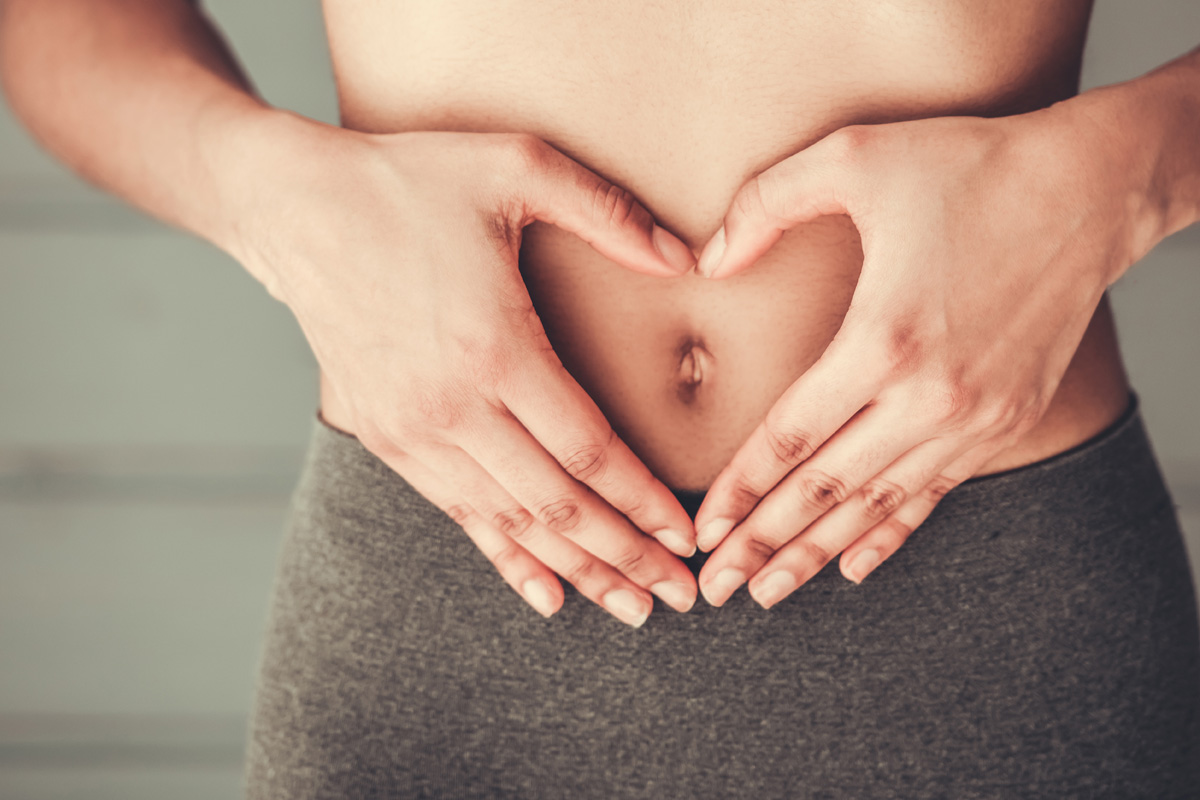
Clinical studies have shown that taking a probiotic supplement supports weight loss, helping you lose weight and boost your metabolism.

What are probiotics?

Probiotics are the ‘good’ bacteria in your digestive tract. They are the key to healthy digestion, regularity and overall health. Naturally present in the body, bacteria accounts for two pounds of bio-mass in the intestines; this bacteria needs to be ‘good’ bacteria, rather than harmful, unhealthy bacteria that lends to a variety of problems for your body.

Levels of probiotics decrease as we age, but can also be lowered by factors like a poor diet and obesity. As the level of probiotics in our bodies decrease, problematic bacteria in the gut thrive. Unhealthy levels of bacteria can cause issues with digestion, like gas, bloating, and constipation and your skin, like acne, rosacea and eczema.

Link between Probiotics and Weight Loss

Obesity rates have more than doubled between 1980 and 2014. The World Health Organization (WHO) has declared obesity as a global epidemic. In 2014, more than 1.9 billion adults older than 18 years old were overweight. Overall, about 13% or 600 million adults in the US were obese.

Diets that are high in sugar, refined carbohydrates and processed foods can cause havoc for your body, especially in your gut where it can wipe out beneficial bacteria. If you’ve been trying to lose weight by eating healthy and staying active but are not seeing results, you might want to look into including Probiotics into your diet.

Clinical trials have shown that Probiotics are able to correct an imbalance of bacteria in the gut. Published in the journal Obesity Reviews in October 2017, Norwegian researchers from Vestfold Hospital Trust in Tonsberg found that consuming a yogurt-probiotic drink daily led to a 1.3lbs weight loss after just three weeks. Data from 957 obese adults saw benefits in reducing their body weight after taking the supplements between three and 12 weeks. Researchers discovered that a three-week course of probotics lead to 0.59lb (0.27kg/m²) loss in BMI. They also found a 0.6% reduction in fat percentage for those who had taken the probiotics, when compared to a placebo.

Published in the British Journal of Nutrition by a team of researchers led by University Laval professor Angela Tremblay, after a 12-week diet period, researchers observed an average weight loss of 9.7lbs (4.4 kg) in women taking a probiotic supplement. After the initial 12 week period, the weight of the women in the placebo group had remained stable, but the probiotic group had continued to lose weight, with a total of 11lbs (5.2kg) per person.

Getting your Gut Back on Track

Nutrition

You can’t expect to see a change if you do not change your diet! If you continue to eat and follow an unhealthy lifestyle that kills the good bacteria in your body, you will further damage your body and your weight loss results will be null and void. Be sure to eliminate harmful foods like processed foods and sugar from your diet and begin to incorporate more vegetables, protein and fruits in your diet. Fermented foods like yogurt are full of good gut bacteria. Be mindful of the amount of sugar in your yogurt!

Supplementation

Probiotic supplementation might be just what you need to get your gut back on track, as well. The problem with many generic probiotic blends is that there is nothing included to prevent heat and stomach acid from killing the probiotic strains before they’ve even been digested. Research shows that species of probiotics may confer the greater health benefits to individuals of all ages. According to Archana Gogna, MS, CNS, MBA of InVite® Health, your probiotic supplement should include three critical groups of probiotic bacteria –

  1. Lactobacillus strains inhabit the small intestines, mouth and vaginal tissue. This strain has been shown to burn fat, control your appetite, fuel digestion and detoxification, and support immunity.
  2. Bifidobacterium are more numerous and are major inhabitants of the large intestines (colon). This strain has also been shown to burn fat, control your appetite, fuel digestion and detoxification, and support immunity.
  3. Bacillus are spore-bearing bacteria that carry around their own house (and are the only ones to do so). This makes them resistant to heat and the digestive process.

A superior probiotic supplement will use these specific strains and the most advanced technology to be sure this supplement does not require refrigeration and can be taken with or without food. Look for CFU on the label, which stands for Colony Forming Units. This is the number of bacteria that are expected to survive and colonize through the heat and stomach acid.

Questions about probiotics and healthy weight loss? Leave us a comment below to join the conversation!

INVITE® HEALTH CURRENT SALE