Recent Posts

Laughter Really is the Best Medicine

Laughter Really is the Best Medicine

Photo by Priscilla Du Preez on Unsplash Laughter isn’t just a way to convey a feeling of being genuinely happy. Harvard Medical School’s website, Harvard Health Publishing, laughter may also benefit our brain and health, as well. Heart Health In 2010, neuroscientists began compiling evidence …

New Study: Curcumin Improves Memory & Mood

New Study: Curcumin Improves Memory & Mood

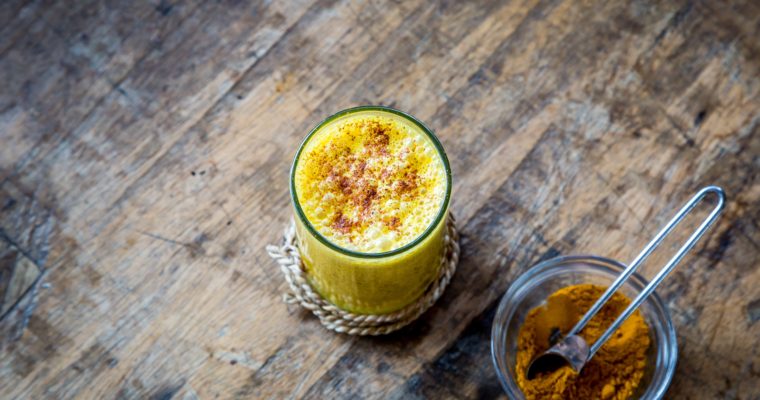
? by Osha Key on Unsplash What is Curcumin? Curcumin, or Curcuma longa, is a major ingredient in the Turmeric root. It is a ginger-like plant used for its powerful healing properties in China, the Middle East and India. Turmeric refers to the plants underground …

Did you know that Cocoa can actually benefit your health?

Did you know that Cocoa can actually benefit your health?

by Nicole Crane, B.S., NTP

Chocolate is one of nature’s most powerful superfoods. But it’s benefits can be reversed when milk, cholesterol from milk solids and enormous amounts of refined sugars are added (i.e. the chocolate we all know and love!).

What is Cocoa?

Cocoa is chocolate in its natural form – without all of the additives – and it actually contains minerals and polyphenols similar to those found in wine that offers excellent antioxidant protection. Cocoa is a rich source of potassium, phosphorus, iron, magnesium, folate, niacin, choline and lutein.ii While cocoa itself is supremely healthy, after processing, alkalized sugar and dairyiv are added, drastically reducing its benefits.

Cocoa is rich in antioxidants, measuring an impressive 55,653 μ mol TE/100g on the ORAC (Oxygen Radical Absorbance Capacity) scalev . ORAC units are a measurement of the strength of antioxidants developed by the National Institute on Aging (NIA) at the National Institutes of Health (NIH). To put that in to perspective, on the ORAC scale, blackberries measure at 5905vi and brewed green tea measures at 1253.vii Cocoa is in the top 20 of the most powerful antioxidants that have been measured. It contains several powerful phytonutrients, which are the same components that give foods like green tea and berries their fantastic nutritional benefits.

The Benefits of Cocoa

Cocoa really shines when it comes to benefiting the heart and cardiovascular system.

Heart Health

Published in the European Heart Journal, researchers at the German Institute of Human Nutrition in Germany assessed the health and habits of 19,357 individuals aged 35 to 65 and evaluated their chocolate consumption for a period of at least ten years. The researchers found that those who ate cocoa-rich chocolate – an average of 7.5 grams a day – had lower blood pressure and a 39% lower risk of having a heart attack or stroke compared to those who ate the least amount.

Lead researcher, Dr. Brain Buijsse, a nutritional epidemiologist, reports that if people in the group eating the least amount of chocolate increased their intake by six grams a day, “85 fewer heart attacks and strokes per 10,000 people could be expected to occur over a ten year period.” Further, he claims that if the 39% lower risk is generalized to the entire population, “the number of avoidable heart attacks and strokes could be a higher percentage because the absolute risk in the general population is higher.”

Nitric oxide (NO), found in cocoa, allows blood vessels to remain wide open, which supports healthy blood flow. When the blood vessels remain open and blood flows freely, blood pressure often returns to normal levels. NO also makes blood less sticky and thick by supporting healthy platelet function, which also contributes to healthy blood pressure. ix A meta-analyses of 20 studies involving 856 mainly healthy participants showed that cocoa reduced blood pressure a statistically significant amount in as little as two weeks.x Healthy circulation is what keeps blood vessels healthy, flexible and strong, and brings oxygen and nutrients to every cell in the body. Considering we have 60-100,000 miles of blood vessels in our bodiesxi , circulation is such an important aspect of health to support.

Brain Health

The sweet satisfaction of cocoa does a lot more than just benefit the heart. The brain also seems to reap benefits from high flavinol cocoa. A part of the brain called the hippocampus is responsible for converting short term memories into long term memory storage. A special part of the hippocampus called the dentate gyrus is responsible for normal age-related cognitive decline, which occurs independent of Alzheimer’s disease or dementia. This superfood has been shown to support the health of the dentate gyrus, significantly improving memory. In a 2014 study published in the journal Nature Neuroscience, 37 healthy volunteers, ages 50 to 69, were randomized to receive either a high-flavanol diet (900 mg of flavanols a day) or a low-flavanol diet (10 mg of flavanols a day) for three months. At the beginning and end of the study, participants underwent brain imaging and memory tests. After three months, the high flavanol group had noticeable improvements in the function of the dentate gyrus. The researchers reported that participants who had the memory of a typical 60 year old at the beginning of the study now had the memory of a 30 or 40 year old after three months on high flavanol cocoa.xiii Who wouldn’t want to turn the clock back three decades to have the memory of a young person and the wisdom and experience of someone older? Incredibly, the cognitive benefits of cocoa do not end with memory and blood flow to the brain.

Many people might say that cocoa and chocolate makes them feel happy, but now there is hard evidence that cocoa can improve mood. The joy-boosting properties of cocoa can likely be attributed to flavinoids, which can make up 10% of the weight by volume of cocoa powder. A 2013 study published in the Journal of Psychopharmacology examined the effect of cocoa on mood, memory and attention. A group of 72 healthy participants who had no dementia or cardiovascular disease, were randomly assigned to receive a drink mix containing either 500 mg (high dose), 250 mg (low dose), or 0 mg (placebo) of cocoa polyphenols once daily for 30 days. Cocoa benefits on cognitive and mental health were measured before the study began and after one month. After thirty days of drinking cocoa there were significant improvements on certain aspects of mood, including calmness and content in the high flavinoid group.xiv The low and no flavinoid group did not experience the same mood-boosting effects, which were self-reported by the participants. What a wonderful way to put a smile on your face!

Questions about Cocoa? Leave us a comment below to join the conversation!

INVITE® HEALTH CURRENT SALE

Are Daily Stressors Depleting Your Energy? Wake Up with Rhodiola!

Are Daily Stressors Depleting Your Energy? Wake Up with Rhodiola!

Written by Amanda Williams, MPH Doctorate in Medicine from Xavier University in Aruba With the busy lives that we lead, we are all looking for the best way to get more energy. It is one of the most common complaints customers ask me about; they …

Here’s what you need to know about Superfoods

Here’s what you need to know about Superfoods

Photo by @eatrunandallinbetween Written by Claudia Guy, ND Phytonutrients are often disguised, healthy pigments that span the colors of the rainbow. Though these healthy pigments translate into nutrients, there are certain foods that contain far more nutrients than our everyday foods. We call these superfoods. …

How Green Tea Provides Vital Immune Support

How Green Tea Provides Vital Immune Support

Written by Nicole Crane BS, NTP

After water, green tea (along with its white and black variants) from the Camellia sinesis shrub, is the most consumed beverage in the world. There may be no beverage more salubrious. The tea plant is rich in valuable antioxidants known as polyphenols. The polyphenols in green tea are called catechins, of which EGCG (epigallocatechin gallate) is the most active and well known. Other beneficial compounds like the relaxation amino acid L-theanine and the energizing, mind sharpening alkaloids theobromine and theophylline may also be present. Green tea has numerous health benefits, from quelling the fires of inflammation to protecting healthy heart and brain function, from supporting immunity to improving metabolism while impacting blood sugar balance. This time of year, green tea piques the interest of anyone looking to keep the flu at bay, and the evidence is impressive.

How Does Green Tea Support Immunity?

Nobody wants their winter holiday season to be plagued with a cold or the flu. When you need a simple and effective immune boost, look towards green tea. This mighty leaf strengthens and supports the immune system in several significant ways. It has long been recognized as having powerful antiviral properties. Tea actually alters the structure of the virus itself, which suppresses the ability of the virus to cause an infection. EGCG has the ability to attach to the cell membrane of the flu virus. EGCG binds to a glycoprotein on the flu virus called hemagglutinin, which blocks the ability of the virus to infect other cells.i This makes green tea a potent weapon against contracting the flu, and can aid in a quick recovery as well. Recent research shows that it can also inhibit the neuraminidase enzyme, slowing the spread from cell to cell of many viruses. Another component, L-theanine, has been shown to increase immune responses. L-Theanine activates and aids in the production of a type of white blood cell called gamma-delta-T lymphocyte ii , a quick acting immune cell that launches a mighty attack on invading pathogens like the flu virusiii . L-Theanine also helps to make interferon-gammaiv , an important cytokine (signaling protein of the immune system) that has powerful antimicrobial propertiesv . These immune cells are an essential part of the body’s defenses against viruses and other invaders. By directly stimulating the action of the immune system and inactivating viruses, green tea offers unrivaled protection against illness.

Research on Immunity

The research on green tea and flu prevention and recuperation is exciting and notable. One study examined 197 healthcare workers over a period of 5 months during the winter. One group of 98 participants received green tea capsules containing 378 mg of catechins (supplying 270 mg of EGCG) plus 210 mg of L-Theanine. The control group with 99 participants received a placebo. The study participants were asked to report on the occurrence of flu like symptoms including fever plus at least one other symptom such as cough, sore throat, headache or body ache. In the green tea group, far fewer got truly sick compared to placebovi . It showed that green tea offers more than 3-fold protection against contracting an illness, especially when exposure is significant.

Gargling with this powerful leaf also seems to offer significant protection. A study of elderly residents in a nursing home had subjects gargle with or without green tea catechins (60% EGCG) three times a day for three months. All participants had received a flu shot, but in the catechin group, only one participant out of 76 contracted the flu, while 5 subjects out of 48 in the control group got the flu.vii This means high catechin green tea improves the level of protection after immunization against the flu.

Green tea offers a plethora of benefits to the body and there are so many convenient ways to take it. Whether you choose to drink green tea (make sure it is organic!) or a liquid extract or in capsule form, it can go a long way to keep you healthy and well. Let green tea be your ally and avoid the flu this winter and for all winters to come.

For full references, click here!

What do you think about Green Tea for Immunity? Leave us a comment below to start the conversation!