Recent Posts

New Study: Stress Cancels Out Benefits of Healthy Fats

New Study: Stress Cancels Out Benefits of Healthy Fats

Most people know the difference between “good fat” and “bad fat”. You take the time to be sure you are consuming mostly good fats, like avocados or Omega-3s found in fatty fish. But what if your stress level was completely eradicating the positive benefits you 

Vitamin D Supplements Offer Protection for Asthma Patients

Vitamin D Supplements Offer Protection for Asthma Patients

According to a recent review of existing studies, Vitamin D may make asthma less dangerous for asthma patients. The Study on Vitamin D Supplements for Asthma Patients The researchers led by Professor Adrian Martineau from Asthma UK Centre for Applied Research at Queen Mary University 

New Study: Krill Oil for Cognitive Processes for US Army

New Study: Krill Oil for Cognitive Processes for US Army

A new study, conducted by the Medical University of South Carolina (MUSC) entitled, “The Ranger Resilience and Improved Performance of phospholipid bound Omega-3s” (RRIPP-3), will determine if omega-3 supplementation, Krill Oil, can improve cognitive processes in high-performing warfighters from the US Army. The trial started August 1, 2016 and will last until spring of 2018.*

The Study

The study’s lead researcher Bernadette Marriott, PhD, from MUSC says the purpose of this study is to investigate whether or not “supplementation with krill oil concentrate can improve specific cognitive processes that underlie key elements of soldier performance that may have a measurable impact on performance and mental health under the extreme psychophysiological stress of military office training”.

Numerous studies have shown omega-3s to benefit individuals suffering from post-traumatic stress disorder (PTSD), as seen in this study published in the Journal of Affective Disorders. The purpose of studying fish oil specifically, according to Dr. Travis Turner, a neuropsychologist and MUSC co-principal investigator, is because it is “phospholipid-bound and is reported to be absorbed more readily”

US army, krill oil, invite health blog

What do researchers hope to find out about Krill Oil?

Researchers of the study will be seeking answers to these three questions, according to the South Carolina Research Studies Directory –

  1. Will treatment with krill oil concentrate containing omega-3 HUFAs improve cognitive and psychiatric functioning during U.S. Army Infantry Basic Officer Leadership Course (Part I)?
  2. Will treatment with krill oil concentrate containing the omega-3 HUFAs improve the performance of officers during portions of the US Army Infantry Basic Officer Leadership Course (Part I) and Ranger training (Part II)?
  3. Do effects of the supplements continue once a person stops taking them? Are there any group differences in functioning observed 2 months after treatment is discontinued (i.e., after Ranger training)?

What does that mean for you, a civilian?

Dr. Marriott explains, “In the big picture, intake of omega-3s is essential for living a productive and healthy life. For instance, sustained attention, inhibition and cognitive control are essential for everyday things like safe driving, parenting, academic achievement and handling challenges at work.”

Jerry Hickey, R. Ph, Pharmacist and Scientific Director of InVite® Health says, “The oils from fatty fish supply amazing health benefits. It’s true – fish is “brain food”. The key component in fish oil is their EPA-DHA omega-3 fatty acid content. Fish oils are essential for memory and cognitive function and to protect the brain.”

For more information about Fish Oils from Jerry Hickey, R. PH, click here!

*As soon as new information is available on this study, InVite Health will be sure to keep you updated!

InVite® Health Current Sale

New Study: Selenium, a Mineral, May Protect Us from Liver Cancer

New Study: Selenium, a Mineral, May Protect Us from Liver Cancer

The risk of developing liver cancer is significantly higher for people who have low levels of selenium in their blood, according to a new study published in the American Journal of Clinical Nutrition. Studies show that selenium has strong antioxidant properties due to it’s effect 

What You Need To Know About Hepatitis A

What You Need To Know About Hepatitis A

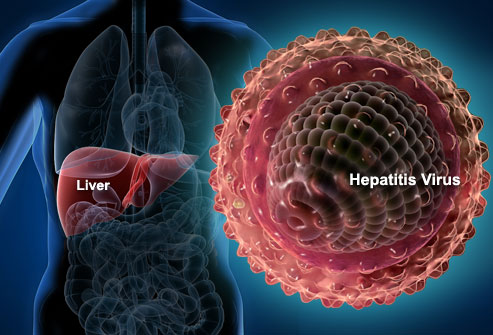
Since 2014, reported cases of Hepatitis A decreased about 30% from 2013 – reporting an incidence rate of just .4 cases per 100,000 population (CDC). But a recent outbreak of Hepatitis caused by imported frozen strawberries from Egypt and served in smoothies at Tropical Smoothie 

Brain’s Blood Flow: Significant Decreases when Older Adults Stop Exercising

Brain’s Blood Flow: Significant Decreases when Older Adults Stop Exercising

It’s no secret that even being moderately physically active can benefit your overall health, wellness and fitness and may reduce your risk for numerous chronic and preventable diseases. But what happens if you are a fit and active older adult and decide to stop exercising? A new study shows a strong, direct link between physical fitness and cognitive health – specifically in the brain’s blood flow.

The study was performed by the University of Maryland School of Public Health and published in the journal Frontiers in Aging Neuroscience. Researchers set out to study how endurance exercise training improves cerebrovascular health and has positive effects on the hippocampus (important for learning and memory), while studying it’s benefits when the participant stopped exercising.

The Study

Using MRI brain scans, researchers measured the brain’s blood flow in healthy, physically fit older adults ages 50-89 years old before and after a 10-day period, where they stopped all exercise.

Lead author J. Carson Smith, associate professor of kinesiology at UMD explains that previous studies using mice and rats have shown that exercise increases the growth of new blood vessels and brain cells. Other research shows that exercise can protect the hippocampus from shrinking in older adults. “So, it is significant that people who stopped exercising for only 10 days showed a decrease in blood flow to brain regions that are important for maintaining cognitive health.”

Results

brain's blood flow, invite health blog

The study’s results showed significant reductions in resting brain flow in eight brain regions. However, researchers found no significant change in cognitive function in the participants before or after they stopped exercising. It is important to note that the study names the participants “master athletes”, described as “a unique population and should not be considered equivalent to older adults who engage in regular moderate to vigorous intensity leisure-time physical activity.”

J. Carson Smith further explains, “We know that if you are less physically active, you are more likely to have cognitive problems and dementia as you age. However, we did not find any evidence that cognitive abilities have worsened after stopping exercising for just 10 days. But the take home message is simple – if you do stop exercising for 10 days, just as you will quickly lose your cardiovascular fitness, you will also experience a decrease in blood brain flow.”

The Brain’s Blood Flow

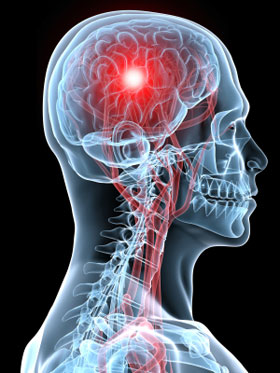
Though the brain is only about 2% of the body’s total weight, it receives 15-20% of the body’s blood supply. Brain cells will die if the supply of blood (which carries oxygen) is stopped. The blood brings many materials that are necessary for the brain to function properly – oxygen, carbohydrates, amino acids, fats, hormones, and vitamins.[1]

Without a normal influx of blood flow, your brain can begin to get off track. Ralph Sacco, M.D., chief of neurology at the Miller School of Medicine at the University of Miami and past president of the American Heart Association says, “When your brain doesn’t get the blood flow it needs, it can begin to malfunction. As a result, you could experience problems thinking, trouble with memory, difficulty finding your way from place to place and deterioration in cognitive function. If blood flow to the brain is abruptly blocked, you could even have a stroke.”

Click here to read Jerry Hickey, R. Ph’s “Power Memory and Brain Health” for more information on nutrients that protect your brain!

What can you do to keep your brain’s blood flow on the right track?

If you have questions or concerns about your blood flow or brain health in general, speak to your primary physician. He or she may suggest for you to test how well your memory is working or recommend you to a neuropsychologist, who uses brain puzzles and teasers to assess your cognitive function compared to others your age. Be sure you are following a healthy lifestyle – get plenty of physical exercise and follow a healthy diet. For help with how you can get your body back on track through exercise and nutrition, speak with a nutritionist or naturopathic doctor today!

Source: http://www.medicalnewstoday.com/articles/312627.php

[1] http://www.ncbi.nlm.nih.gov/books/NBK53082/

InVite® Health Current Sale