Recent Posts

New Study: Krill Oil for Cognitive Processes for US Army

New Study: Krill Oil for Cognitive Processes for US Army

A new study, conducted by the Medical University of South Carolina (MUSC) entitled, “The Ranger Resilience and Improved Performance of phospholipid bound Omega-3s” (RRIPP-3), will determine if omega-3 supplementation, Krill Oil, can improve cognitive processes in high-performing warfighters from the US Army. The trial started …

New Study: Selenium, a Mineral, May Protect Us from Liver Cancer

New Study: Selenium, a Mineral, May Protect Us from Liver Cancer

The risk of developing liver cancer is significantly higher for people who have low levels of selenium in their blood, according to a new study published in the American Journal of Clinical Nutrition. Studies show that selenium has strong antioxidant properties due to it’s effect …

What You Need To Know About Hepatitis A

What You Need To Know About Hepatitis A

Since 2014, reported cases of Hepatitis A decreased about 30% from 2013 – reporting an incidence rate of just .4 cases per 100,000 population (CDC). But a recent outbreak of Hepatitis caused by imported frozen strawberries from Egypt and served in smoothies at Tropical Smoothie Café restaurants have now infected 55 people in six states.

What is Hepatitis A?

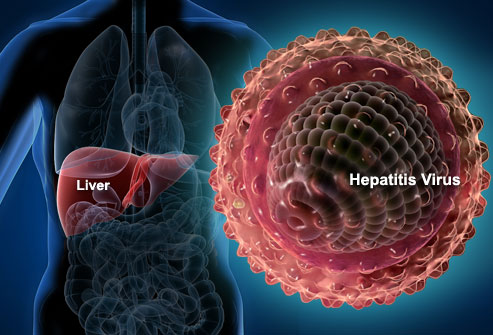
Hepatitis A is a highly contagious liver infection that is caused by the Hepatitis A virus being transmitted through physical contact or consumption of contaminated food or water. Symptoms of this infection include nausea, fever, and abdominal pain, usually lasting less than 2 months, according to the Centers for Disease Control and Prevention. A simple blood test is used to diagnose HAV. Those at an increased risk for acquiring the HAV infection include, “travelers to countries with high or intermediate cases of HAV infection, users of injection and non-injection illegal drugs, persons with clotting factor disorders, men who have sex with men, and persons working with nonhuman primates.” The CDC also reports that the best way to prevent the Hepatitis A (HAV) infection is through vaccination.

Read more from the CDC on Hepatitis A by clicking here!

hepatitis a

Hepatitis A Outbreak

The outbreak has swept across six states, with 44 total infections reported in Virginia, 4 in Maryland, 4 in West Virginia, 1 in North Carolina, 1 in Oregon, and 1 in Wisconsin.

CDC spokeswomen Nora Spencer-Loveall says, “Due to the relatively long incubation period for hepatitis A (15 to 50 days), before people start experiencing symptoms, we expect to see more ill people in this outbreak.” According to CCN, the victims of the outbreak range in age, from 15 to 68. The company has since removed the imported strawberries from its cafes and have now purchased new strawberries from alternate sources.

Here are some delicious and nutritious recipes that do not call for strawberries!

Natural Herbs to Support Liver Health

According to the University of Maryland Medical Center, “Herbs are one way to strengthen and tone the body’s systems. Milk thistle has been used since Greco-Roman times to treat liver problems. Several scientific studies support this traditional use. They suggest that a substance in milk thistle (silymarin) can protect the liver from damage caused by viruses, toxins, alcohol, and certain drugs, such as acetaminophen. Because it acts on the liver, Milk thistle can theoretically interact with several medications that are processed through the liver. Milk thistle may help protect the liver against damage from exposure to industrial toxins. In a comprehensive review of studies on milk thistle by the U.S. Agency for Healthcare Research and Quality (AHRQ), milk thistle improved liver function in people with mild liver disease but did not work as well for those with severe liver disease, such as cirrhosis.”

For more information on HAV, click here to view ‘General Information: Hepatitis A’ from the CDC. 

InVite® Health Current Sale

Brain’s Blood Flow: Significant Decreases when Older Adults Stop Exercising

Brain’s Blood Flow: Significant Decreases when Older Adults Stop Exercising

It’s no secret that even being moderately physically active can benefit your overall health, wellness and fitness and may reduce your risk for numerous chronic and preventable diseases. But what happens if you are a fit and active older adult and decide to stop exercising? …

How to Naturally Energize Your Body by Dr. Mariesette Zeyl, ND

How to Naturally Energize Your Body by Dr. Mariesette Zeyl, ND

Do you remember your childhood days – waking up in the morning full of vibrant energy, ready to take on the world? Wouldn’t it be nice to feel this way again? As adults, it is all too common to get up out of bed feeling …

Is The Fluoride in Your Tap Water Linked to Diabetes?

Is The Fluoride in Your Tap Water Linked to Diabetes?

According to the Centers for Disease Control and Prevention (CDC), fluoride is a naturally occurring mineral that protects teeth from tooth decay that works by stopping or even reversing the tooth decay process, keeping tooth enamel strong and solid. Also according to the CDC, almost all water contains naturally-occurring fluoride at low levels. Fluoride is also commonly found in toothpaste, mouth rinses, and gels, and many consider it to be essential to good oral hygiene. While the CDC reports, “The independent, non-governmental Community Preventive Services Task Force has noted that the research evidence does not demonstrate that community water fluoridation results in any unwanted health effects other than dental fluorosis, a condition that causes primarily cosmetic changes in the appearance of tooth enamel,” a recent study says otherwise.

The Study

fluoride, diabetesIn a study published in the Journal of Water and Health, researchers examined links between fluoridation and diabetes as, they say, fluoride is a known preservative of blood glucose. With this in mind, these findings have prompted a surge in people researching how to remove fluoride from water. It’s not just fluoride that people want to remove from water. Some commercial premises owners will look to treat hard water in such a way that removes calcium and magnesium ions in order to soften it.

Kyle Fluegge, PhD, from the Department of Epidemiology and Biostatistics at Case Western Reserve University School of Medicine now serves as a health economist for the NYC Department of Health and Mental Hygiene and a co-director of the Institute of Health and Environmental Research in Cleveland, Ohio. Dr. Fluegge studied data between 2005 and 2010 across 22 states, using calculations of county-level water fluoride levels, per capita county tap water consumption, and county measures of poverty, obesity, and physical activity.

Read the full study published in the Journal of Water and Health by clicking here!

Results

Dr. Fluegge reported that a one milligram increase in average county fluoride levels predicted a 0.17% increase in age-adjusted diabetes prevalence. Also revealed were different types of fluoride additives used by each region – sodium fluoride and sodium fluorosilicate, which seem to have an opposing effect and was associated with decreases in diabetes incidence and prevalence. Countries that rely on naturally occurring fluoride in their water and did not supplement with these additives also had lower diabetes rates.

“The models present an interesting conclusion that the association of water fluoridation to diabetes outcomes depends on the adjusted per capita consumption of tap water,” explained Dr. Fluegge. “Only using the concentration [of added fluoride] does not produce a similarly robust, consistent association.” So, Dr. Fluegge adjusted his calculations to incorporate tap water consumption, instead of sticking to calculations that rely on “parts per million” measurements of fluoride in the water.

“This is an ecological study. This means it is not appropriate to apply these findings directly to individuals,” Dr. Fluegge reports. “These are population-level associations being made in the context of an exploratory inquiry. And water is not the only direct source of fluoride; there are many other food sources produced with fluoridated water.”

Dr. Fluegge says that his models indicate natural, environmental fluoride does seem to have a protective effect from diabetes. “However,” he says, “natural fluoride is not universally present in the water supply.”

Read more about Community Water Fluoridation, from the CDC by clicking here.

What do you think about this new study? Leave us a comment to join in on the conversation!

Social Media, InVIte Health, Fluoride

InVite® Health Current Sale