Recent Posts

The Dirt on Skin Care Products By Mariesette Zeyl, ND

The Dirt on Skin Care Products By Mariesette Zeyl, ND

By Mariesette Zeyl, ND Did you know that we absorb up to 60 percent of what we apply on our skin? Yes, it is true! Anything you are putting on your skin is being absorbed into your body and into your bloodstream. Our skin is …

Digestive Health and Vitamin D

Digestive Health and Vitamin D

Up to 70% of Americans suffer from low levels of vitamin D due to low sunlight for much of the year, avoiding the sun during the summer months, and/or insufficient consumption of food sources. Without an adequate amount of this “sunshine vitamin”, you may become …

New Study: People with Metabolic Syndrome Live Longer with Lycopene

New Study: People with Metabolic Syndrome Live Longer with Lycopene

What is Lycopene?

Lycopene is a naturally occurring pigment that gives fruits and vegetables a red color; it is an important carotenoid and research indicates that it may be the most important carotenoid for the skin and body. On the other hand, Lutein (the carotenoid important for vision) may be the most important carotenoid for the brain. Lycopene is found in watermelons, pink grapefruits, apricots, and pink guavas. It is found in particularly high amounts in tomatoes and is especially absorbable from tomato products such as sauce or paste. Cooking releases the Lycopene and the addition of olive oil improves its absorption. Lycopene in supplement form (if natural) is about as easy for the body to use as Lycopene found in food.

The Study

Researchers from the University of Nebraska Medical Center analyzed information from NHANES, a national survey designed to assess the health and nutritional status of adults and children in the United States. The survey is unique in that it combines interviews and physical examinations. The data covered 2,499 adults with metabolic syndrome.* Blood serum levels were broken down into three categories; low, medium, and high. Results showed that those with a high serum Lycopene level on average survived 4 months longer than the medium group and outlived the low group by 13 months. *The study is published online ahead of print in the journal Nutrition Research.

Jerry Hickey, R. Ph’s Take on Metabolic Syndrome

Jerry Hickey, R.Ph explains Metabolic Syndrome, “Metabolic syndrome is a cluster of dangerous conditions that raises your risk for heart disease and other health problems, such as diabetes and stroke. Cancer risk and the risk of dementia also rises in people who do not adequately address the components of metabolic syndrome. Having any three of the following five conditions fits the diagnosis of metabolic syndrome and these conditions often occur together – A large waistline, high triglyceride level, low level of HDL (the good cholesterol), High blood pressure, and high blood sugar. Your risk for heart disease, diabetes, and stroke increases with the number of metabolic risk factors you have. The risk of having metabolic syndrome is closely linked to overweight and obesity and a lack of physical activity.”


InVite® Health Current Sale

Hearts, Stripes & Savings Event at InVite® Health!

Hearts, Stripes & Savings Event at InVite® Health!

Welcome to InVite® Health’s Valentine’s Day and President’s Day Event! InVite® Health is a unique health and wellness brand that combines innovative products, nutritional education, and a luxury retail store experience. Our brand has been developed by industry professionals – pharmacists, nutritionists, and other healthcare …

New Study: Nutrition and Mental Health

New Study: Nutrition and Mental Health

Researchers from the University of Las Palmas de Gran Canaria in Spain are exploring the link between nutrition and mental health, namely the association between healthy dietary patterns and their association with the risk of depression. Almudena Sanchez-Villegas, lead researcher of the study, explains, “We …

New Study: Zinc Supplementation Improves Immune System Function in the Elderly

New Study: Zinc Supplementation Improves Immune System Function in the Elderly

Supplementing elderly people in a nursing home with Zinc improves the Function of their Immune System

Zinc is a micro-mineral, meaning we need less of it than others. As far as the amount of a mineral the body requires on a daily basis, it may be split into two groups of minerals – macrominerals and trace minerals. There are seven macrominerals that your body needs in larger amounts – calcium, phosphorus, magnesium, sodium, potassium, chloride and sulfur. Your body needs smaller amounts of trace minerals which include iron, manganese, copper, iodine, zinc, and selenium.

Many chronic diseases of the elderly including atherosclerosis, diabetes, neuro-degenerative disorders, Parkinson’s disease, and age-related macular degeneration are related to chronic inflammation and increased oxidative stress. This mineral plays an important role in immunity and healing and it is also an antioxidant and anti-inflammatory agent. In developed countries, nearly 30% of the elderly are zinc deficient, with many others having low levels of zinc, but not to the level of deficiency.

Zinc has a number of property benefits, meaning it can be used for a variety of needs and functions- from health to skincare.

Previous Study

In a previous study, researchers from the Department of Medical Oncology at Wayne State University School of Medicine and the Karmanos Cancer Center in Detroit report that studies where the elderly are supplemented with zinc have shown decreased numbers of infections, improved antioxidant activity (decreased oxidative stress or internal rusting), and decreased generation of inflammatory cytokines (biochemical molecules that increase inflammation). There are also decreased incidences of blindness in patients with age-related macular degeneration and increased protection against hardening of the arteries (atherogenesis) observed in the zinc supplemented elderly. Zinc is a molecular signal for proper function of immune cells and many gene-related factors involved in the release of inflammatory cytokines are regulated by zinc. *The study is published in the August 2014 issue of the Journal of Trace Elements in Medicine and Biology.

New Study

In this new study, researchers from the USDA Research Center on Aging at Tufts University, along with researchers from the Section of Infectious Diseases and Section of Geriatrics at Boston University School of Medicine, Harvard Medical School, and Boston University School of Public Health enrolled 53 nursing home residents aged 65 or older. Thirty-one (58%) had a low concentration of zinc in their serum. They were randomly split into two groups -one received 5mg of zinc a day and the other received 30 mg of zinc a day for three months. For some, 30mg a day was not a sufficient enough dosage to raise serume zinc levels to normal.

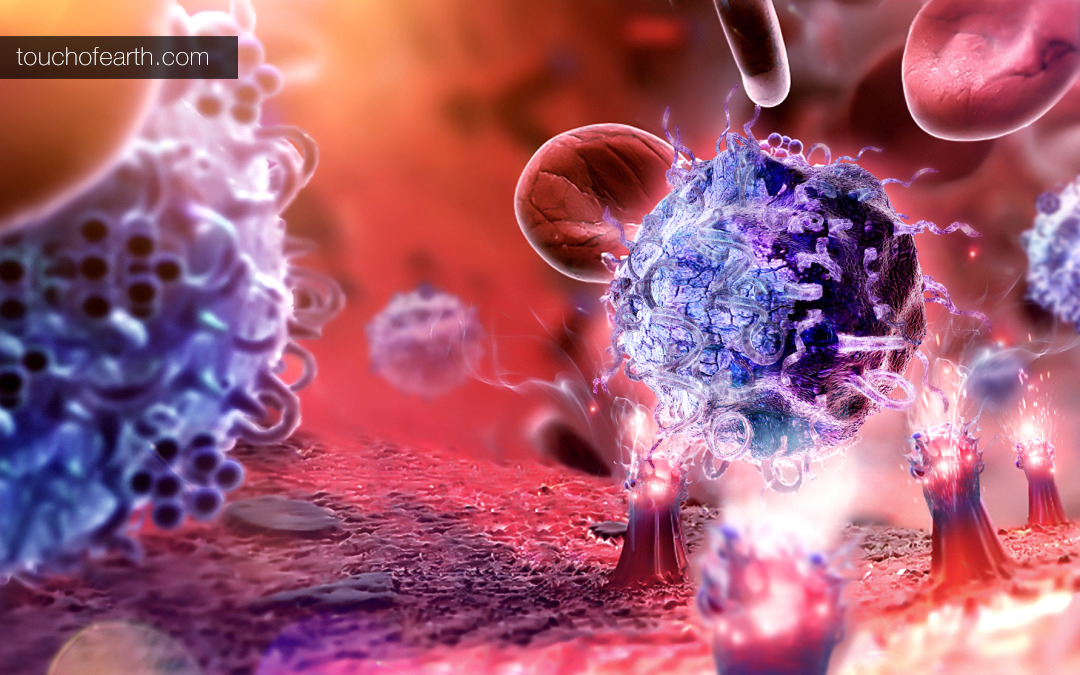
Supplementation of 30mg a day significantly improved the number of T-cells, however. T cells are a group of lymphocytes that play a large role in our immune systems response and especially for cell-mediated immunity. This is the defense against tumor cells and dangerous organisms that occur inside body cells and every effective immune response involves T cell activation. The abbreviation “T” stands for thymus, the organ in which the cells final stage of development occurs. *The study is published in the January 27th, 2016 issue of The American Journal of Clinical Nutrition.

Click here for Jerry Hickey, R.Ph’s full collection of Radio Studies!

Questions for Jerry Hickey, R.Ph? Click here to email him directly!

InVite® Health Current Sale