Tag: exercise

Nutrition, Fitness & Wellness Apps You Should Download Now (For Free!)

Nutrition, Fitness & Wellness Apps You Should Download Now (For Free!)

Phone applications have become a leading source of information and entertainment. But there are many apps that are for more than just gaming and listening to music. Nutrition, fitness and wellness applications (apps) have been developed to help keep you on a fast track to 

Could Walking Every Day Add Years to Your Life?

Could Walking Every Day Add Years to Your Life?

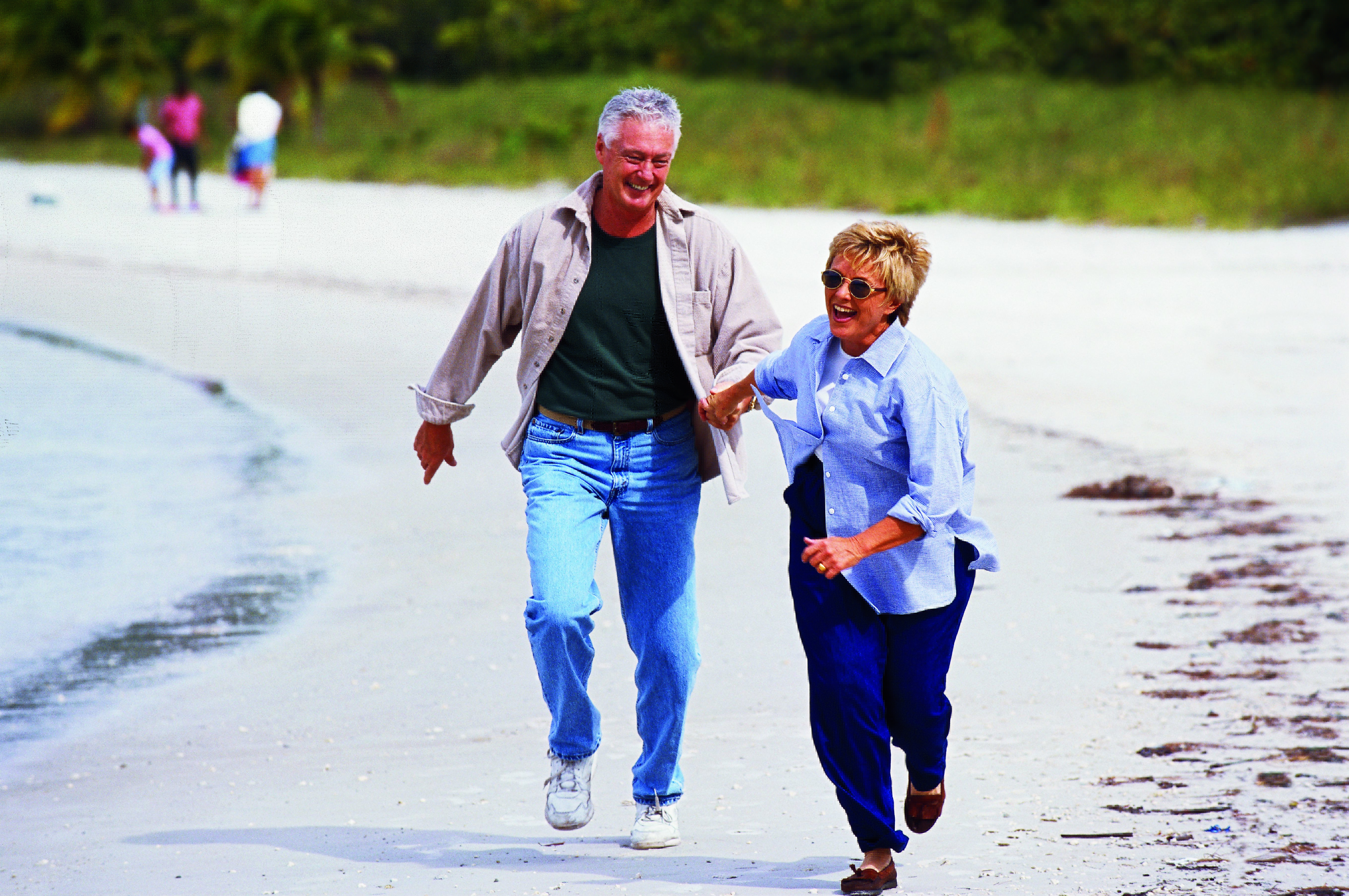
New research presented at the European Society of Cardiology congress suggests that regular exercise can delay the aging process up to seven years. Those experts suggest that one 25-minute walk per day, can halve the risk of heart attack heath and add seven years to 

Weight Loss & Exercise May Benefit Atrial Fibrillation Patients

Weight Loss & Exercise May Benefit Atrial Fibrillation Patients

Doctors are finding strong connections between obesity and the extremely dangerous heart arrhythmia known as atrial fibrillation. According to the American College of Cardiology, an estimated 5.6 million U.S. adults have atrial fibrillation (AF), an abnormal heart rhythm characterized by rapid, irregular beating of the upper chambers of the heart. It is a leading cause of stroke. Symptoms include weakness, shortness of breath, and palpitations. Obesity, another condition that plagues more than one-third of U.S. adults, is connected with an increased risk of AF. But there’s good news – a new study has found that obese patients with AF who lost at least 10 percent of their body weight were six times more likely to achieve long-term freedom from the disorder compared to those who did not lose weight.

Rajeev Pathak, MD, a cardiologist and electrophysiology associate at the University of Adelaide in Australia and the lead study author of this study stated, “Previous studies have shown that weight management can reduce atrial fibrillation symptoms in the short term and improve outcomes of ablation (a surgical treatment for atrial fibrillation). We sought to shed light on the long-term outcomes of sustained weight loss, the effects of the amount of weight lost and the impact of changes in weight over time.”

Need some help with losing weight and exercising? Read Jun Wang, MS’, “Dietary Approach to Weight Loss” here!

The Study

Three hundred and fifty-five participants, all obese with atrial fibrillation at the start of the study, were enrolled in a dedicated weight loss clinic by researchers that tracked their health annually for about four years. The study found a direct relationship between weight loss and the participants symptoms – the higher the weight loss, the higher the percentage of people who became free of their symptoms. Fourty-five percent of the patients who lost 10 percent or more of their body weight were free of atrial fibrillation symptoms, without medication or surgery.  In the patients who lost from 3 to 9 percent of their body weight, 22 percent achieved freedom from the symptoms of atrial fibrillations. Only 13 percent of patients who lost less than 3 percent of their body weight were free of symptoms. Even with the use of surgery or medication, those who lost more weight were substantially more likely to achieve success and have freedom from atrial fibrillation symptoms, as well. This study is published online March 16, 2015 in the Journal of the American College of Cardiology.

Additional Studies

Five months after the former study was published, a new study also performed at the University of Adelaide found that exercise appeared to strongly benefit the control of atrial fibrillation in obese people. Australian researchers found that “cardiorespiratory fitness” reduced the risk that this dangerous irregular heartbeat may return by as much as 84 percent. Cardiorespiratory fitness is defined as “the ability of the heart and lungs to supply oxygen to the body during sustained physical activity.” Lead researcher Dr. Prashanthan Sander, director of the Center for Heart Rhythm Disorders at the University of Adelaide in Australia, explains, “This study adds to a growing body of evidence that aggressive risk factor management with increased physical activity should be an integral component of management of atrial fibrillation.”

Researchers assigned the study’s 308 patients (all obese or overweight with atrial fibrillation) to one of three groups based on their level of fitness – low, adequate or high. After four years, 84 percent of patients in the high fitness group no longer had atrial fibrillation. Seventy-six percent of patients in the adequate level of fitness group no longer had atrial fibrillation and just 17 percent of patients in the low fitness level group no longer had atrial fibrillation. As measures of fitness improved, the incidence of atrial fibrillation declined. This study is published online August 24, 2015 in the Journal of the American College of Cardiology.

Need some help with losing weight and exercising? Read Jun Wang, MS’, “Dietary Approach to Weight Loss” here!

What do you think about this new study? Leave us a comment and join the conversation!

InVite® Health Current Sale

UC-II® For Joint Support By Claudia Guy, N.D.

UC-II® For Joint Support By Claudia Guy, N.D.

FEATURED IN INVITE® HEALTH’S SUMMER 2015 CATALOG Suddenly, one morning you wake up with a stiff, swollen, and painful joint. You most likely have arthritis. In the United States, more than 50% of individuals over 60 years of age have osteoarthritis, the most common form 

How Long is Too Long Between A Workout?

How Long is Too Long Between A Workout?

Photo by Ayo Ogunseinde on Unsplash Making a trip to the gym a daily routine can be tough enough for almost anyone. Sometimes you are too tired to go after work or have no motivation to wake up early on a Saturday morning to work 

Study Shows Higher Risk of Health Issues in “Night Owls”

Study Shows Higher Risk of Health Issues in “Night Owls”

Photo by Icons8 Team on Unsplash

In a recent study, scientists found that “night owls” may face increased health risks as compared to early risers, including a higher risk of diabetes and reduced muscle mass – regardless of other lifestyle choices.

The study, published in The Journal of Clinical Endocrinology and Metabolism, surveyed a group of adults to find out whether they fit the profile of a morning chronotype or an evening chronotype – to put it simply, an early bird or a night owl. These two chronotypes determine individual “circadian preference in behavioral and biological rhythm” related to the cycle of dark and light, or night and day.

In their research, the team used individual chronotypes as a basis to find out if a relationship exists between chronotype and metabolic disorders. After they established whether the subjects fit the morning or evening chronotype, the team performed further testing to learn morning habits and alertness, usual bed time, and preferred sleeping situations.

Sleep vitamins can be an extremely helpful tool for anyone who is not getting a full, restful night’s sleep on a regular basis.

The results showed that evening types were overall more likely to have diabetes and sarcopenia, a condition in which the body gradually loses muscle mass. Some other trends in the results were:

  • Men who fit the evening chronotype were more likely have diabetes or sarcopenia
  • Women night owls tended to have more abdominal fat and a greater risk of metabolic syndrome compared with early risers
  • Evening chronotypes tended to be younger
  • Evening chronotypes had higher body fat and blood triglyceride levels than morning chronotypes

So according to the study, getting to bed at a reasonable hour could have more health benefits than most of us think. If you’re naturally a night owl, it may be hard to change your habits, but it’s possible – try adding an extra workout during the day so you’re extra tired, or relaxing with meditation before bed.

Your Natural Sleep Routine by Dr. Millie Lytle ND, CNS. – click here!

Follow this checklist to help turn your nights into dreams:

  • Turn off cell phones, computers and the television at least an hour before bed
  • Go to bed at a regular time each night. The best time is at least 1-2 hours prior to midnight.
  • Engage in gentle activities such as: calm conversation, listening to soothing music or meditation tracks, light stretching, having a bath, drinking herbal teas, reading a novel, cuddling or other intimate contact, or petting an animal.

Once into bed, only do sleep-time activities. At this time, using essential oils such as lavender applied to the bottoms of feet and dropping on pillow is enjoyable and soothing. If counting sheep are not enough to blank your mind, then try an exercise-based relaxation technique called progressive-relaxation, which involves clenching each muscle group of the body as hard as possible, then enjoy the relaxation. Progressive relaxation clears the mind and relaxes the body.

Source: Medical News Today

INVITE® HEALTH CURRENT SALE