Author: Danielle Menke

New Study: The Link Between Diabetes and Memory

New Study: The Link Between Diabetes and Memory

Ninety-five percent of diabetes cases in adults are type 2 diabetes. Though several studies have shown that a healthy diet and regular physical activity can prevent diabetes all together, only a small amount of studies have been performed on the link between type 2 diabetes …

High Fat Diets Manipulate Gut and Brain Activity

High Fat Diets Manipulate Gut and Brain Activity

Have you ever wondered why you can never eat just one French fry or just one chip? According to a new study performed on rats, researchers studied the link between gut and brain activity and found that a high fat diet changes the populations of …

New Study: Antipsychotic Medication Prescribed to Children Who Don’t Need It

New Study: Antipsychotic Medication Prescribed to Children Who Don’t Need It

A new study has found that kids suffering from ADHD or other behavioral issues are being treated too quickly and incorrectly with antipsychotic medication.

The most extensive analysis of antipsychotic medication use among children and adolescents of its kind was performed by the Journal of American Medicine of (JAMA) Psychiatry. The study has found that drugs normally recommended for treatment of mental illnesses (like schizophrenia and bipolar disorder) are being given to children and teens suffering from “self-limiting behavioral dysfunctions or conditions like Attention-deficit/hyperactivity disorder.” With no mental illness diagnosis in many of these cases, these children and teens are being handed medications they do not need, according to this new study.

Co-author of the study, Dr. Michael Schoenbaum, senior advisor for mental health services, epidemiology and economics at the National Institute of Mental Health expressed in a press statement, “No prior study has had the data to look at age patterns in antipsychotic medication use among children the way we do here. What’s especially important is the finding that around 1.5 percent of boys aged 10-18 are on antipsychotics, and then this rate abruptly falls by half, as adolescents become young adults.”

The Study

The study focused on data obtained from IMA LifeLink LRx’s database, which records 63 percent of the prescriptions dispensed in the U.S. every year. Comparing the prevalence of antipsychotic use in different age groups from 2006 to 2010, researchers discovered that boys were more likely than girls to be prescribed these drugs and, overall, antipsychotic use among children has slightly dropped from 2008 to 2010, where the average usage rate of these medications were about 1 percent of the population. Nevertheless, researchers were still concerned that these drugs were usually given by “medical professionals without efforts to seek safer, more appropriate treatments or for conditions that are known to improve over age.” Dr. Schoenbaum explains that prescriptions of these medications should be handled with the upmost care and responsibility because they can affect both physical and neurological function of the child or teen and some of their adverse effects can even persist after the medication is stopped.

Results of the Study

The study recommends that preschool aged children with mental health problems should “seek comprehensive psychiatric assessment and a trial of a relevant psychosocial intervention before considering psychopharmacologic treatment.” The authors are also careful to explain that the “off-label use of antipsychotics in children and teens isn’t inherently wrong, as they can help to tamper down and manage behavioral symptoms.” But because flooding the maturing brain of children and teenagers with these drugs can cause unknown risks, they should be “utilized only when it’s absolutely necessary.”

When studying cases where the child had no mental health diagnosis at all, it was found that these drugs were prescribed, as well. But it could have been for good reason. “Some primary care physicians may withhold mental disorder diagnoses because they are not reimbursed for these codes or to reduce stigma. In other cares, antipsychotics may be used to treat insomnia, agitation, or other symptoms that do not meet criteria for a mental disorder,” the study stated.

Authors hope these findings will spark others in the medical field to “develop better, safer approaches to treating serious but manageable conditions.”

Source: www.medicaldaily.com

Did you or someone you know have a bad experience with being prescribed antipsychotic medication that you did not need? Share your story in the comments!

InVite® Health Current Sale

How to Stay Healthy This Holiday Weekend

How to Stay Healthy This Holiday Weekend

Enjoying the holiday weekend does not have to mean destroying your diet or regular healthy lifestyle. Though, the temptation is definitely there. From burgers to hot dogs to cakes and pies, it may be hard to reign yourself in and eat healthy. But what if …

6 Questions You Must Ask Your Doctor before Filling a Prescription

6 Questions You Must Ask Your Doctor before Filling a Prescription

Asking your doctor questions about your health is one of the most important things you can do at your appointment. Whether you trust your doctor or are just hopeful that the new medications that have been prescribed to you will work, asking your doctor questions …

Airplanes, Germs & Bacteria – Oh My!

Airplanes, Germs & Bacteria – Oh My!

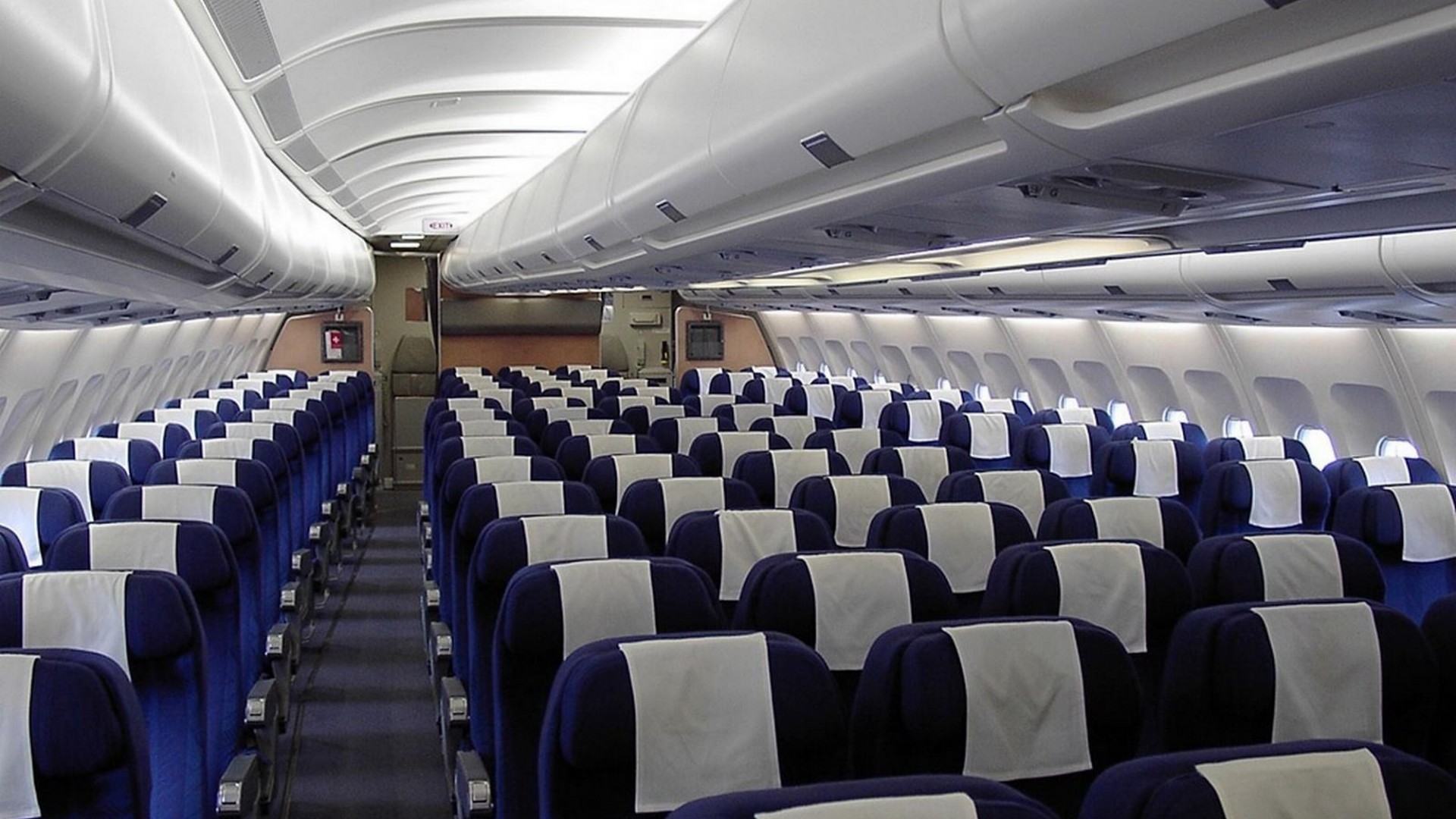
Research carried out by the experts at Aquaint sanitizer earlier this month have uncovered some disgusting facts that may make you want to choose a destination you can drive to this vacation season. Many people report feeling sick after an airplane ride – from runny noses to sore throats. This study found that the airplane you take to reach your summer get-a-way could be a breeding ground for bacteria.

Founder of Aquaint, Bola Lafe explains, “Sickness and ill health can put a damper or even ruin well-deserved holidays abroad that have been planned for months or even years. Airplanes, airports, cruise ships, and hotels can all be breeding grounds for bacteria.”

The Study

The study researched amounts and locations of bacteria on planes and found they are teeming with bacteria that plays host to numerous illnesses. According to the study, your luggage comes into contact with up to 80 million bacteria before you can even make it to your “clean” hotel room. This is due to the fact that there are so many people who actually handle your luggage at the airport. Each person’s hands can carry about 10 million bacteria at one time.

bacteria, airplane

In a similar study done by the Today show, it was discovered that bacteria is responsible for causing “the common cold, influenza, E. coli, listeria and even the deadly MRSA, which have all been located in airports and on planes.”

And what are you always sure to bring plenty of on vacation? Money. A study done by NYU found that paper money can breed hundreds of different kinds of bacteria. Jane Carlton, director of genome sequencing at NYU, stated that the amount of microbes that grow on money is “quite amazing.”

Fox News interviewed an anonymous member of a cabin crew from an undisclosed New York airline. The crew member stated, “Cleaners don’t have time to thoroughly clean the planes between journeys, as they are constantly under pressure to provide quick turnaround. I have seen passengers change their baby’s diaper on the tray table, cut their fingernails on board, and even urinate in the seat. The carpets are filthy, and the toilet floors are the worst.”

How can you prevent getting sick after your journey? Fox Health suggests 4 health tips to help:

Stay hydrated: According to the Mayo Clinic, dehydration causes dry mouth, skin, eyes, and mucous membranes. Use a nasal spray to keep your nose and throat lubricated.

Sanitize everything: Always wash your hands and use sanitizer while on the plane. Wipe down your tray table, arm rest and even the seat belt buckle.

Bring your own blankets and pillows: The airline does not wash its sheets and pillows right after you use them. They can be reused up to 5 times before it is washed again. Bring your own to avoid germs and bacteria.

Don’t walk barefoot: Most people wear sandals while on a plane but the carpets are filthy and do not regularly get cleaned. Always keep your footwear on your feet while walking around an airplane.

Source: http://www.foxnews.com

InVite® Health Current Sale