Tag: inflammation

RSV- Respiratory Syncytial Virus

RSV- Respiratory Syncytial Virus

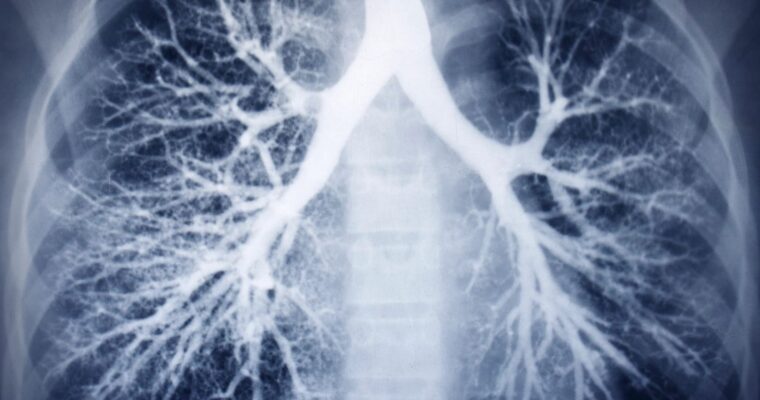
RSV- Respiratory Syncytial Virus Dr. Claire Arcidiacono, ND   I wanted to begin our series on respiratory health by talking about something that has been all over the news lately. And that is RSV. But what exactly is RSV? RSV stands for Respiratory Syncytial Virus. 

Nattokinase!

Nattokinase!

Nattokinase! Dr. Claire Arcidiacono, ND What the heck is Nattokinase? Where does it come from? What exactly does it do? Is it just for heart health or does it do anything else for us? These are just some of the questions that people have about 

Omega 3s and the Heart!

Omega 3s and the Heart!

Omega 3s and the Heart!

Dr. Claire Arcidiacono, ND


Omega 3s are something that everyone has heard of. In fact many nutritionists including myself consider them to be essential to a healthy daily vitamin regimen. But many people I talk to ask a few simple questions and the first is usually why they are so important to our health? What are they and where do they come from? And just how do they help keep the heart healthy? Before I start to answer these questions I want to remind everyone that omega 3s are much more than just a heart supplement. In fact in our series on joints omega 3s were a frequent recommendation.

Let’s start with the simple question of why omegas 3s are so important. Well to start off they are very versatile in what they can be used to help with. Then there is the simple fact that the standard American diet is typically very low in omegas 3s. In fact studies have found that over 2/3s of US adults and 95% of US children do not consume enough omega 3s to meet their nutritional needs based on US dietary guidelines. (1) What this means is that most people are not getting enough omega 3s in their diet and can benefit from a supplement.  But just what are omega 3s? They are a type of fat consisting of ALA, DHA and EPA. These fats are considered to be essential in our diet because they are essential for certain functions in our body and are important to keep us healthy yet they can’t be made by the body itself. In other words they can only be obtained by getting them in our diet. (2) Omega 3s are typically found in fish and other seafood. They are also found in nuts and seeds. Lastly certain fortified foods contain omega 3s. (3) Fish Oil, Krill Oil Advanced and Flax Seed are all supplements that contain omega 3s.

Everyone knows that omega 3s are good for our cholesterol. According to the Mayo clinic there is strong evidence that omega 3s reduce triglyceride levels in the blood. Additionally according to the Mayo clinic omega 3s can improve HDL or the good cholesterol. (4) Studies have found that omega 3s can help to lower triglycerides by between 25-34%. (5) Even for people with very high triglycerides studies have found that omega 3s can help to lower them. (6) Overall studies have concluded that omega 3s are helpful for triglycerides. (7) Due to the fact studies have found that omega 3s are helpful for both HDL and triglycerides I personally always recommend them for helping with cholesterol concerns.

In addition to helping with cholesterol studies have found that omega 3s can help to reduce the risk of blood clots. This appears to be due to the fact that omega 3s can affect platelet activity causing them to be less reactive. (8) This is important because blood clots can have series consequences.  Omega 3s such as fish oil have also been found to be helpful when dealing with arrhythmias. According to Harvard those with a higher than average omega 3 level in their blood were approximately 30% less likely than those with low levels to develop AFib. (9)

Omega 3s have also been found in studies to help with blood pressure. According to the Mayo clinic omega 3s are very helpful for those with moderate to severe high blood pressure. (10) According to a study by the Cleveland heart lab omega 3s were able to help those with hypertension to either lower their medication or in some cases even avoid having to take medication at all. (11)

Omega 3s have also been found in studies to help patients with coronary heart disease.  Other studies have found that omega 3s have a beneficial effect on the risks of having cardiovascular death, heart attack and even coronary artery disease. (12)

Overall in my clinical experience I find that omega 3s are an amazing supplement to add on to any protocol for heart health.  Now one concern that comes up frequently when I discuss omegas is the smell and taste. A handy tip that works for me personally is to always refrigerate your omegas and take them with food. While they don’t technically need to be kept this way I find that this way prevents any odor.


In our next blog we will be talking about Mitral Valve Prolapse or MVP!

Sources:

  1. https://www.pharmavite.com/perspectives/news/study-finds-most-us-adults-and-children-have-low-blood-serum-levels-of-omega-3-fatty-acids-epa-dpa-and-dha/
  2. https://www.healthline.com/nutrition/what-are-omega-3-fatty-acids
  3. https://ods.od.nih.gov/factsheets/Omega3FattyAcids-Consumer/#h3
  4. https://www.mayoclinic.org/drugs-supplements-fish-oil/art-20364810
  5. https://www.ncbi.nlm.nih.gov/pmc/articles/PMC3875260/
  6. https://www.sciencedirect.com/science/article/abs/pii/S0002914911015992
  7. https://www.ncbi.nlm.nih.gov/pmc/articles/PMC2683599/
  8. https://www.sciencedirect.com/science/article/pii/S0022316622156592
  9. https://www.hsph.harvard.edu/news/hsph-in-the-news/mozaffarian-omega-3-arrhythmia/
  10. https://www.mayoclinic.org/drugs-supplements-fish-oil/art-20364810
  11. https://pubmed.ncbi.nlm.nih.gov/25720716/
  12. https://www.frontiersin.org/articles/10.3389/fnut.2022.809311

The Benefits of Beets Hx

The Benefits of Beets Hx

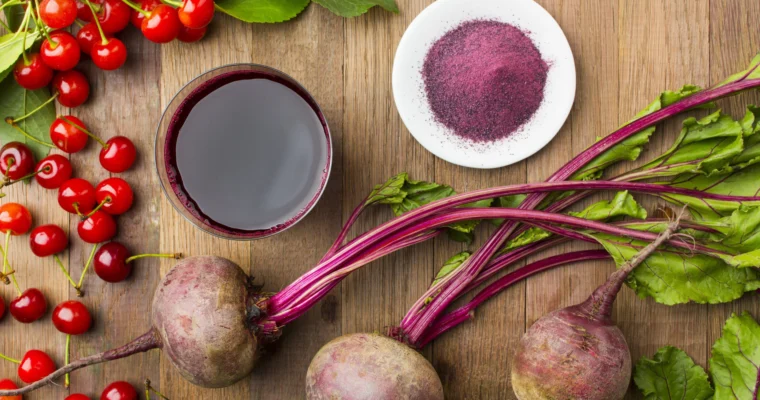
The Benefits of Beets Hx Dr. Claire Arcidiacono, ND   Everyone has heard about beets. Beet powder, beet chews and even beet juice! It’s everywhere you look! But what really are the benefits of using beet supplements? Why is the tart cherry in the Beets 

Congestive Heart Failure

Congestive Heart Failure

Congestive Heart Failure Dr. Claire Arcidiacono, ND   Our next topic is something that may seem uncommon but is actually more common than you would think. This is congestive heart failure. When people refer to having a “weak heart” they are referring to congestive heart 

What is a Myocardial infarction or Heart Attack?

What is a Myocardial infarction or Heart Attack?

What is a Myocardial infarction or Heart Attack?

Dr. Claire Arcidiacono, ND


What exactly is a myocardial infarction or MI? Well in layman’s terms, it is what is known as a heart attack. But what exactly happens during a heart attack? Basically during a heart attack blood flow to the heart decreases or even stops. This leads to death of the heart muscle. What causes this decrease in blood flow? Most heart attacks are associated with what is known as coronary disease (CAD) or simply heart disease. In CAD there is a buildup of atherosclerotic plaque in the arteries of the heart. This plaque grows and grows until it ruptures and this rupture in the blood vessel causes the body to form a thrombus which can cause a block in the blood vessels of the heart. While this is the most common cause of an MI there are other causes. Coronary artery spasms, which can be caused by cocaine or even extreme cold can also decrease circulation to the heart leading to an MI.

Before I move on to risk factors for a MI, I wanted to take a moment to tell you the main differences between an MI and angina or chest pain. While both an MI and angina feature reduced circulation to the heart, there is 1 major difference between them. In an MI unlike angina there is literally cell death which can be measured by troponin, a protein that is released when the cells of the heart die. I would also like to point out that cardiac arrest is different from an MI in that in cardiac arrest the heart is not contracting properly which affects circulation to the organs.

Now what are the risk factors for an MI? To start with being male and being older places you at a higher risk. In fact no matter the age men have a higher risk of MI when compared to women. Life style risk factors include smoking, alcohol use, lack of exercise and stress. Having a family or personal history of high blood pressure, diabetes, high cholesterol, and poor diet all increase risk. Being obese is also a risk factor. A family history of MI also increases risk. Certain medications such as oral contraceptives, NSAIDS, and cocaine. Having endometriosis is a risk factor for women. Certain infectious diseases such as chlamydia, influenza, H pylori and gingivitis all increase the risk of an MI. Lastly certain chronic conditions such as hyperthyroidism can increase your risk of an MI.

Now men and women do have some of the same symptoms when it comes to a MI. However there are some that are different. To start with what are the classic signs of MI? Chest pain with pain that radiates to the left arm, lower jaw, neck, right arm, back or upper abdomen. There may be pain that radiates to the right shoulder. There may also be a sense of tightness, pressure or squeezing in the chest. Other people describe the sensation as a tightness, knife like or tearing or even burning feeling. There may also be a feeling of unexplained anxiety. There may also be swearing, nausea/vomiting, or fainting. I would like to point out that women are much more likely to experience atypical signs of a MI. These include shortness of breath, weakness, fatigue, nausea/vomiting, and back pain. Women are less likely to have chest pain than men. Additionally, women tend to have more indigestion, dizziness, and loss of appetite. In some women shortness of breath is the only symptom.

Keeping our heart healthy is very important! While the following supplements are very helpful for our heart, it is important to speak to an Invite nutritionist to find out what is best for you.

  1. Life style changes such as stop smoking, increase activity, reduce stress and work on having a healthier diet. For example a Mediterranean diet has been found to be fantastic for heart health.
  2. Coq0 has been found in studies to help reduce symptoms after a heart attack. It has also been found to help with blood pressure. Coq10 has been found to help our heart work better. Please see Invites Coq10 Ubiquinol in 60 and 120mg!
  3. Resveratrol has been found to have many benefits for our heart! There are countless studies showing how it can improve heart health. Please see Invites Resveratrol and Resveratrol Max Hx
  4. Magnesium is a super nutrient when it comes to heart health! It has been found to be great for muscles, like the heart, blood pressure and stress. Please see Invites impressive line of Magnesium products.
  5. Omega 3s have been found to be very impressive for heart health as well as cholesterol, and blood pressure. Please see Invites Krill Oil Advanced and Fish Oil
  6. Hawthorn has been found to help with heart function and with circulation as well as our blood pressure. Please see Invites Cardio Hx and Normo-tensive 

Our product spotlight will be Ribose Complex which is a personal favorite!

Sources:

  1. “What Are the Signs and Symptoms of Coronary Heart Disease?” nhlbi.nih.gov. September 29, 2014. Archived from the original on 24 February 2015. Retrieved 23 February 2015.
  2. ^“Heart Attack Symptoms in Women”American Heart Association.
  3. Jump up to:ab c d e f “What Is a Heart Attack?”nhlbi.nih.gov. December 17, 2013. Archived from the original on 19 February 2015. Retrieved 24 February 2015.
  4. Jump up to:ab “Heart Attack or Sudden Cardiac Arrest: How Are They Different?”heart.org. Jul 30, 2014. Archived from the original on 24 February 2015. Retrieved 24 February 2015.
  5. https://www.mayoclinic.org/healthy-lifestyle/nutrition-and-healthy-eating/in-depth/mediterranean-diet/art-20047801
  6. https://www.mountsinai.org/health-library/supplement/coenzyme-q10#:~:text=Some%20researchers%20believe%20that%20CoQ10,and%20act%20as%20an%20antioxidant.
  7. Health Benefits of Resveratrol — And Should You Take It? (clevelandclinic.org)
  8. https://www.ncbi.nlm.nih.gov/pmc/articles/PMC5852744/
  9. https://www.ncbi.nlm.nih.gov/pmc/articles/PMC7047282/