Tag: liver

Hepatox Hx- Liver Support

Hepatox Hx- Liver Support

Hepatox Hx  Dr. Claire Arcidiacono, ND   Invite Health has quite a selection of nutrients that are good for both our liver and kidneys. One such item is called Hepatox. It has a funny name I know but this particular supplement is a combination of 

 What exactly is Liver Cirrhosis? Part 2

 What exactly is Liver Cirrhosis? Part 2

 What exactly is Liver Cirrhosis? Part 2 Dr. Claire Arcidiacono, ND   This is part 2 of our discussion on cirrhosis. If you haven’t read the first part I suggest you do that first since it will contain important background information. In this blog I 

Glutathione-The Antioxidant for Liver Health

Glutathione-The Antioxidant for Liver Health

Glutathione-The Antioxidant for Liver Health

Dr. Claire Arcidiacono, ND

Glutathione drips or in other words IV glutathione is a well-known treatment in holistic medicine. However many people are afraid of needles. Invite Health’s Glutathione Lozenges are an easy to use form of glutathione. You may have heard of Gluta Hx, this is a powered form of glutathione support made by Invite! But what even is glutathione? What does it do? Well let’s get into it, shall we?

To start with what is glutathione? Well it is an antioxidant. In fact it is such a powerful antioxidant that it is often called the master antioxidant! Normally our bodies are able to make glutathione out of amino acids found in our diet. Foods that are high in Sulphur help to boost the body’s production of glutathione. The food can include broccoli, cauliflower and even things like garlic. Unexpectedly even eggs, nuts, beans, fish and chicken can all help produce glutathione. For more foods please see my sources for a link to foods that can increase glutathione. In addition to foods even some supplements such as Milk Thistle, Whey, Selenium and Vitamins C and E can help us produce glutathione. (1)  And of course we mustn’t forget one of my favorite supplements, NAC! (2)

So now we know what it is but what does it do for us? Well one study found that glutathione may help us to treat the symptoms of nonalcoholic fatty liver disease.  (3) But I bet that comes as no surprise. What may come as a shocker is that glutathione is also good for helping blood sugar, especially in those who have complications such as retinopathy. In one study glutathione levels in those with insulin resistance were found to be low. (4) In fact studies have found that increasing levels of glutathione may help with type 2 diabetes. (5)

In addition to helping with blood sugar studies have also found that increasing the body’s levels of glutathione levels may help improve symptoms in those with Parkinson’s Disease. (6)

Glutathione is also important for our digestive system. In fact studies have found it can help to reduce inflammation in inflammatory bowel disease. This includes both Ulcerative Colitis and Chron’s Disease. (7)

Glutathione has also been found to help with our eye health. Glutathione has been found to help detox the fluid of the eye which means it may help to regulate fluid flow and thus help eye pressure in those with glaucoma. Glutathione has also been found to help reduce cataract formation. (8)  Studies have also found that glutathione is able to protect against ROS and thus help with macular degeneration. (9)

Studies have even found that using glutathione may help reduce proinflammatory cytokines involved in COPD. (10)Other studies have found that using glutathione can help with overall lung function and health. (11)

I would also like to mention that while glutathione may have a strong smell that seems to attack the senses this is perfectly normal and even expected. This is true of both the lozenges and our powder Gluta Hx. Even though it may not be the best tasting nutrient glutathione is an amazing nutrient for many aspects of our overall health picture.

Our next topic will be NASH!

Sources:

  1. https://ivboost.uk/what-is-glutathione-and-how-can-you-increase-your-levels/
  2. https://www.nordic.com/healthy-science/benefits-of-glutathione-and-nac/
  3. https://www.ncbi.nlm.nih.gov/pmc/articles/PMC10075255/
  4. https://journals.plos.org/plosone/article?id=10.1371/journal.pone.0198626
  5. https://www.mdpi.com/2076-3921/13/2/184
  6. https://www.ncbi.nlm.nih.gov/pmc/articles/PMC7751460/
  7. https://pubmed.ncbi.nlm.nih.gov/31916636/
  8. https://chiro.org/Graphics_Box_NUTRITION/FULL/Glutathione_Eye_Healer_Within.html#:~:text=If%20there%20is%20a%20universal,as%20glutathione%20itself%20elevate%20glutathione.%20%5B
  9. https://www.ncbi.nlm.nih.gov/pmc/articles/PMC11050487/
  10. https://www.ncbi.nlm.nih.gov/pmc/articles/PMC10994624/
  11. https://pubmed.ncbi.nlm.nih.gov/31580490/


Liver Function Tests

Liver Function Tests

Liver Function Tests Dr. Claire Arcidiacono, ND   The Liver Basics! As an Invite health nutritionist one of the most important parts of my job is to help people understand their blood work. In general I find that when it comes to blood work liver 

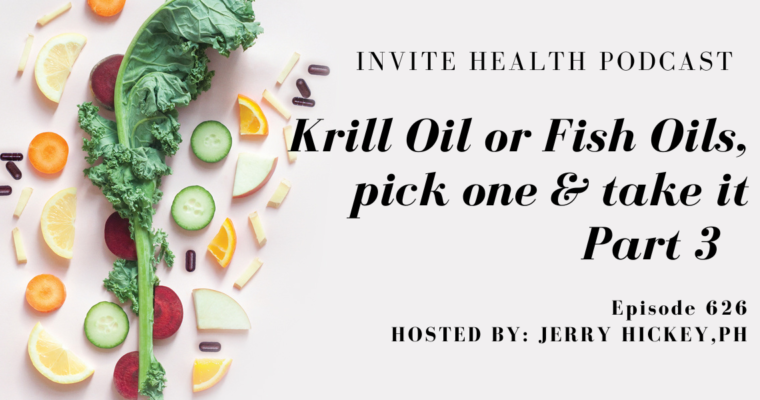
Krill Oil or Fish Oils, Pick One and take it. Invite Health Podcast, Episode 626

Krill Oil or Fish Oils, Pick One and take it. Invite Health Podcast, Episode 626

Subscribe Today!   Please see below for a complete transcript of this episode. KRILL OIL, OR FISH OIL. PICK ON AND TAKE IT- PART 3. INVITEⓇ HEALTH PODCAST, EPISODE 626 Hosted by Jerry Hickey, Ph. *Intro Music* InViteⓇ Health Podcast Intro: [00:00:04] Welcome to the 

The Basics Of Digestive Health, Part 2

The Basics Of Digestive Health, Part 2

Digestive health

Written by Dr. Claire Arcidiacono, ND

For further questions or concerns email me at carcidiacono@invitehealth.com

Last week we had an introduction to the digestive system. To recap, the digestive system is made up of the gastrointestinal tract and several organs that work alongside the tract. They interact through enzymes produced by the organs. These organs include the pancreas, liver and gallbladder. The digestive system has its own immune system and its own nervous system. Now that we’re all caught up, let’s dive a little deeper.†

Digestive Health – Pancreas

The pancreas makes insulin and glucagon to regulate blood sugar. It produces enzymes that breakdown protein, fat and carbohydrates in the duodenum. These enzymes include the following: lipase (fat), amylase (carbohydrates) and protease (protein). When the food enters the small intestine (SI), this triggers the pancreas to release the enzymes via a duct system, ending in the Small Intestine. This duct system is a roadway that includes a large duct known as the pancreatic duct. It connects to the main bile duct which is where the gallbladder sends its bile. After traveling to the pancreatic duct, the pancreatic enzymes are sent to the small intestine, specifically the duodenum to breakdown food. The pancreas produces enzymes then sends them to the pancreatic duct where they then can enter the small intestine to breakdown food. †(1)

ARE THE DAILY FRUITS AND VEGETABLES WE EAT ENOUGH? – INVITE HEALTH PODCAST EPISODE 547 >> Listen Now! 

Connected to the pancreatic duct is the bile duct. (1) Bile from the liver helps the Small Intestines to process and digest fat as well as absorb our fat soluble vitamins. Picture a large fat molecule and a tiny enzyme, it can be intimidating for the tiny enzyme to break it down. Bile comes along, breaks it up into tiny pieces that are easier for enzymes to manage. But wait – is bile from the liver? What about the gallbladder? The liver produces bile and sends it into the duct network known as the bile duct. In the bile duct, it goes to the gallbladder which stores and concentrates bile. Later, it’s released into the duodenum via the duct network. The connection between the bile duct and pancreatic duct is important in the case if there are stones in the gall bladder, they can travel the duct network and get stuck. For example, if they travel to the pancreatic duct, the pancreatic enzymes can start to build up leading to damage of the pancreas. This is supposed to be just simple anatomy, so we can get more into gall stones later. Basically, the pancreatic duct and the bile duct end up joining together to form a funnel called ampulla of vater which funnels the enzymes and bile into the intestines. The pancreatic duct is what the network is called for the pancreas and the bile duct is the pathway for bile. The liver in addition to producing bile also makes all of the “chemicals” or hormones our body uses to do things. The liver has many other jobs such as detox. To summarize, the small intestines absorb the nutrients and the liver uses the nutrients to build. †(2)

Now, how does the GI track come into play here?

It travels by a series of muscle contractions known as peristalsis. As you saw in the last blog, the GI tract is what is referred to as a closed system. Food for example stay in the GI tract and doesn’t just float around the body. Bacteria are also supposed to stay in the colon. We’ll go into more depth about leaky gut later on in this series.†

As for the digestive system’s own nervous system, it’s called the enteric nervous system. It controls things such as our body’s digestion, secretion of enzymes and any motility in the digestive tract such as peristalsis.† (4)

This is a general overview/introduction to the interesting and important topic of digestive health. You can also expect me to go more in depth about the digestive system having its own immune system in a future article. I’ll be talking about tests for gut health next week. To give you a little tease, let’s just say 70% of our immune system is in our gut!† (3)

IMMUNE SYSTEM, PART 1: THE BASICS – INVITE HEALTH PODCAST, EPISODE 491 >> Listen Now! 

Sources

https://my.clevelandclinic.org/health/body/21743-pancreas
https://my.clevelandclinic.org/health/articles/21481-liver
https://www.google.com/search?q=immune+system+in+the+gut&ie=UTF-8&oe=UTF-8&hl=en-us&client=safari

https://www.google.com/search?q=nervous+system+of+digestive+teact&ie=UTF-8&oe=UTF-8&hl=en-us&client=safari