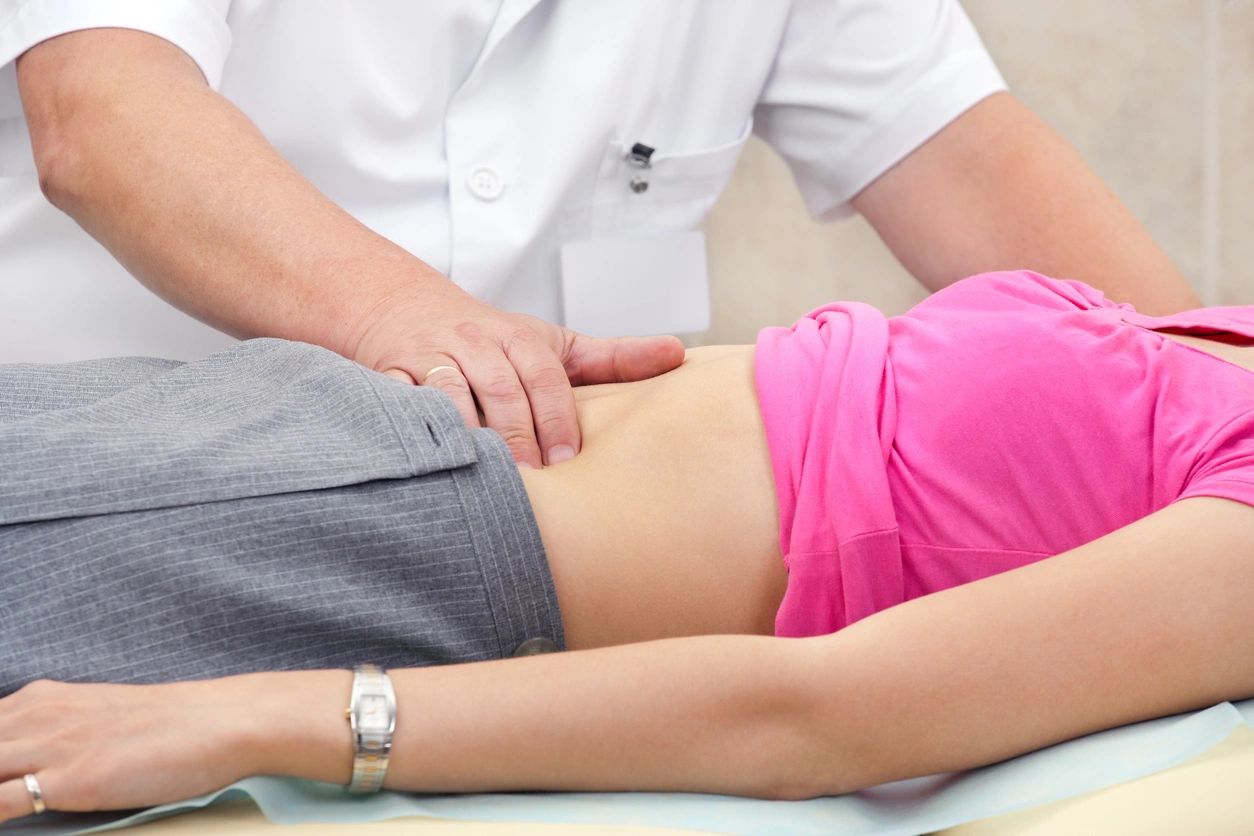
Constipation and Diarrhea
Dr. Claire Arcidiacono, ND
Every week I get calls asking about how to deal with digestive issues such as constipation or diarrhea. In fact, constipation and diarrhea are the 2 most common concerns that people have when it comes to health. But what is constipation? What is diarrhea? Constipation refers to less than 3 bowel movements (BMs) a week. In contrast diarrhea is when there is frequent BMs that usually consist of thin or loose watery stools. From a holistic viewpoint, it is best to have a daily BM. One that is not too loose or too hard.
How do you know if you are suffering from constipation or diarrhea? It may seem obvious but let me break it down for you. Symptoms of constipation include having only a few BMs a week, having a BM every other day as well as straining to have a BM is also considered constipation. Other signs of constipation include gas, bloating, anal itching, bloody stool, stomach pain as well as nausea/vomiting and the stool itself hard/small. What about diarrhea? In addition to causing frequent thin/watery stool, diarrhea can cause stomach bloating stomach/intestinal cramps, nausea, vomiting or a feeling of urgency to have a BM. Long term diarrhea can also cause what is called anal leakage as well as a decrease in the natural “urge” to have a BM or the feeling you get when you are about to have a BM. Diarrhea can cause a painful irritation of the skin to occur.
What can cause constipation or diarrhea to occur? Oftentimes they are a symptom of different underlying systemic conditions. For example, thyroid disorders and pregnancy can affect BMs. Neurological disorders such as Parkinson’s disease or Multiple Sclerosis can also affect our BMs. Even diabetes and Lupus can affect BMs. Medications often cause constipation or diarrhea as a side effect. For example, it is well known that antibiotics can trigger diarrhea. On a serious note, changes in BMs can be a sign of colon cancer. Just like many different medical concerns, constipation and diarrhea can be caused by or exacerbated by stress. An overgrowth of pathogens can also lead to either constipation or diarrhea. These pathogens can include Candida as well as bacteria and parasites. Even food allergies and digestive disorders such as Celiac disease and Lactose intolerance can affect BMs. Disorders of the GI tract such as IBS, Diverticular Disease, Lazy Bowel Syndrome, or structural defects can also affect the frequency of BMs. Other digestive disorders that can affect our BMs include gallbladder disorder. While this is not every cause of constipation or diarrhea it is a list of the most common causes.
When addressing constipation and diarrhea it is especially important to rule out any systemic concerns. The following suggestions are things that have been found to be helpful in combating constipation and even diarrhea.
- Address any underlying medical concerns and eliminate any food sensitivitiesor allergies. This is important for both constipation and diarrhea! Increase water to half your body weight in ounces. If you weigh 200 pounds you need to drink 100 ounces (12.5 cups) of water. Every 8 ounces of water is 1 cup.
- Add fiberto your diet! Fiber is naturally found in fruits and vegetables. These are a great jump start for your digestive tract. Maltodextrin has been found to help combat constipation Psyllium seed husk has also been found to help constipation. Interestingly fiber has also been found to help reduce the risk of diarrhea! Please see Invite’s Colon Hx as well as Invite’s new Inulin fiber gummy.
- Garlic has been found in studies to help eliminate bacteria and fungus such as Candida. Garlic can even help fight different parasites! This is important for both constipation and diarrhea! See Invite Health’s Aged Garlic and Probiotic for women!
- Olive Leaf Extract has been found to help eliminate microbes such as yeast in the body. It is also helpful for bad bacteria! Once again this is important for both constipation and diarrhea. See InVite Health’s Olive Leaf Extractand our Renalaid
- Probioticshelp to kill bad bacteria and help colonize new healthy bacteria. Please see Invite’s Probiotic Hx and Probiotic Immune!
- Triphala fruit complex has been found to help promote BMs. See InVite Health’s Colon Hx.
- Marshmallow Root and Slippery Elm have also been found to help inflammation in our digestive tract. InVite Health’s GI Maintainhas both and can easily be mixed into any drink! These great nutrients are also found in Invite’s Min Acid formula!
- Magnesium Citrate is one of the best supplements to help constipation. It is a natural, non-habit-forming stool softener. See InVite Health’s Magnesium Citrate, and Bioavail Magnesium Complex.
- Omega 3s have also been found to help lubricate the stool. See InVite Health’s Fish Oiland Krill Oil Advanced.
- Digestive enzymes are helpful when there is any issue with digesting our food. Problems digesting our food can lead to concerns such as gas/bloating and diarrhea! Please see Invite Health’s Digestive Hx and Prozyme digest.
- Following the BRAT DIETis helpful for your stomach after experiencing an episode of diarrhea: Bananas, rice, applesauce, and toast.
Sources:
- https://www.webmd.com/digestive-disorders/digestive-diseases-constipation
- https://www.humnutrition.com/blog/candida-overgrowth/
- https://my.clevelandclinic.org/health/diseases/4059-constipation
- https://greatist.com/health/maltodextrin-dangers#:~:text=It%20improves%20digestion,fiber%20supplements%20Metamucil%20and%20Citrucel.
- https://www.mountsinai.org/health-library/supplement/psyllium#:~:text=Many%20well%2Ddesigned%20studies%20have,%2C%20Europe%2C%20and%20North%20America.
- https://www.healthline.com/health/flaxseed-for-constipation
- https://pubmed.ncbi.nlm.nih.gov/21830350/
- https://www.ncbi.nlm.nih.gov/pmc/articles/PMC4458355/
- https://www.ncbi.nlm.nih.gov/pmc/articles/PMC5490280/#:~:text=The%20present%20study%20focused%20on,infections%20such%20as%20oral%20thrush.
- https://www.omnibioticlife.com/candida-and-probiotics/#:~:text=Certain%20probiotic%20strains%2C%20such%20as,good%20bacteria%20in%20your%20intestine.
- https://www.ndtv.com/food/triphala-for-constipation-how-to-use-this-ayurveda-wonder-to-manage-digestive-issues-1912465
- https://www.healthline.com/health/digestive-health/herbal-remedies-for-constipation
- https://www.wellandgood.com/natural-remedies-for-constipation/
- https://omega3innovations.com/blog/fish-oil-and-fiber-how-to-be-number-one-at-number-two/
- https://www.webmd.com/digestive-disorders/digestive-diseases-diarrhea
- https://www.hopkinsmedicine.org/health/conditions-and-diseases/diarrhea
- https://www.ncbi.nlm.nih.gov/pmc/articles/PMC3150032/
- https://www.healthline.com/health/how-to-get-rid-of-diarrhea-fast#rice-water
- https://www.healthline.com/health/brat-diet
- https://www.healthline.com/health/foods-that-cause-diarrhea#food-and-diarrhea
- https://www.healthline.com/health/probiotics-and-digestive-health
- https://www.nature.com/articles/s41598-019-39644-x
- https://pubmed.ncbi.nlm.nih.gov/21830350/
- https://www.ncbi.nlm.nih.gov/pmc/articles/PMC4458355/
- https://www.ncbi.nlm.nih.gov/pmc/articles/PMC5490280/#:~:text=The%20present%20stud
- https://www.hopkinsmedicine.org/health/wellness-and-prevention/digestive-enzymes-and-digestive-enzyme-supplement
- https://www.frontiersin.org/journals/nutrition/articles/10.3389/fnut.2022.1008464/full