Tag: nutrition

LIFESTYLE AND OUR HEALTH~MOVEMENT AND EXERCISE

LIFESTYLE AND OUR HEALTH~MOVEMENT AND EXERCISE

LIFESTYLE AND OUR HEALTH~MOVEMENT AND EXERCISE by: Allie Might, FMC, INHC, ATT   Movement and exercise, or physical activity, is a healthy lifestyle component that we all know about and are often not consistent with in our day-to-day life. We all hear about it, read 

Aged Garlic 

Aged Garlic 

Aged Garlic  Dr. Claire Arcidiacono, ND Garlic is a nutrient that as a supplement or even spicy food enhancer can be found everywhere. The benefits of using garlic as either a supplement or even just as a spice to add to our food are numerous. 

Dental Abscess and Cavities

Dental Abscess and Cavities

Dental Abscess and Cavities

Dr. Claire Arcidiacono, ND

Everyone has heard of cavities. What you may not have heard of is a dental abscess. What is a dental abscess? How is dental abscess related to a cavity? And what can you do if you are told you have a dental abscess? Let us get into it, shall we?

Basically a tooth abscess is a pocket of pus that’s caused by a bacterial infection. These can occur in different locations in the tooth. If the abscess occurs at the tip of the root, it is called a periapical abscess.  If it occurs in the gums at the sides of the tooth root it is called a periodontal abscess. (1)

A periodontal abscess is associated with pre-existing gum disease such as periodontitis. This means that the bacteria that cause the infection originates from the gums and supporting tissues. (2) In contrast in a periapical tooth abscess the origin of the bacteria is usually an untreated dental cavity, tooth injury or prior dental work. (2) Please see the picture below for what a dental abscess may look like. (1)

Simply put an untreated cavity allows bacteria to enter the tooth and this bacteria leads to infection and inflammation that results in a dental abscess. (1) If your curious as to what a cavity is do not worry, I’m going to tell you! A cavity damages the enamel of the tooth caused by bacteria. Once the enamel wears away the bacteria reaches the next layer, called dentin. As the damage continues eventually the bacteria will get to the root or inner pulp. (3) Please see the above picture which includes a cavity in addition to the abscess.

Moving on what are the main risk factors for a dental abscess? Well as I previously said, having an untreated cavity can lead to a dental abscess. Having poor dental hygiene for any reason can increase the risk of dental problems. (1) I would like to point out that poor dental hygiene can be a result of poor mental health. For example, there is a well-known connection between oral health and dementia. (4) Another risk factor for a dental abscess is dry mouth. Having a nutrient lacking diet is also a risk factor. For example, a diet that is too high in sugar can increase the risk of cavities which in turn can increase the risk of dental abscess. (1) Other risk factors can include pre-existing gum disease, any bacterial infection or trauma to the gums. (2) Anything that can lead to a cavity can eventually result in dental abscess. For example, heartburn, eating disorders, diet and even hygiene can all increase your risk of cavity. (3)

Having a dental abscess can have symptoms such as a severe constant, throbbing toothache. This pain can spread to your jawbone, neck, ear and the corresponding lymph nodes may be swollen and tender. There may be pain with chewing or biting and even extremely hot/cold. There may be swelling in your face, check or neck. You may develop a fever. Lastly there may be a foul odor in your mouth. If the abscess ruptures, you may notice a sudden rush of foul smelling and tasting fluid. However, when the abscess ruptures there is usually a reduction in the level of pain. (1)

Having a dental abscess can lead to dangerous complications. For example, if the abscess does not drain then the infection may spread and can even lead to sepsis which is life threating. (1)


What can you do to help fight bad bacteria?

  • It all starts with diet! Work on incorporating more vegetables into your diet. Please see Invite’s Organic Greens and Greens Hx to help reach your vegetable goals.
  • Adequate dental hygiene practices – for example use a water pick, floss, and brush daily!
  • Get routine dental care such as cleanings!
  • Follow all dental recommendations made by your dentist. (1)
  • Garlic has been found to have powerful antibacterial and antiviral properties. This makes it excellent for helping with dental infections such as periodontal disease and dental abscess. (5) Please see Invite’s Aged Garlic and Probiotic Women!
  • Olive Leaf has also been found to have antimicrobial properties making it another excellent choice for helping to kill off the bad guys associated with a dental abscess. (6) Please see Invite’s Olive Leaf extract as well as our Renalaid formula.
  • Probiotics have been found to help reduce the risk of cavities and other dental infections. (7) Please see Invites Probiotic Hx, Probiotic Immune and even our chewable Prozyme Digest!
  • Zinc, which is antimicrobial has been found to help reduce the risk of certain dental infections such as cavities and periodontal disease. Both of these conditions can increase the risk of developing a dental abscess. (8) Please see Invite’s Zinc and Zinc lozenges as well as our wide variety of multi vitamins!

Aged Garlic is our next topic!

Sources:

  1. https://www.mayoclinic.org/diseases-conditions/tooth-abscess/symptoms-causes/syc-20350901
  2. https://www.singhealth.com.sg/patient-care/conditions-treatments/periodontal-gum-abscess
  3. https://www.mayoclinic.org/diseases-conditions/cavities/symptoms-causes/syc-20352892
  4. https://www.psychiatry.org/news-room/apa-blogs/how-dental-health-and-mental-health-are-connected
  5. https://onlinelibrary.wiley.com/doi/abs/10.1002/9781119618973.ch22#:~:text=Summary,a%20variety%20of%20oral%20diseases.
  6. https://pmc.ncbi.nlm.nih.gov/articles/PMC5288333/
  7. https://www.sciencedirect.com/science/article/pii/S1756464620302097#:~:text=Recent%20studies%20strongly%20suggest%20the,oral%20health%20and%20vice%2Dversa.
  8. https://www.mdpi.com/1996-1944/17/4/800#:~:text=Clinical%20studies%20have%20also%20shown,effect%20%5B20%2C21%5D.

Bromelain- The Power of Pineapple

Bromelain- The Power of Pineapple

Bromelain- The Power of Pineapple Dr. Claire Arcidiacono, ND Bromelain is an enzyme that has been written about many times in the past. In fact, there are even a few blogs on the Invite website itself! Yet, despite this, people still have a few unanswered 

Strontium Citrate for Bone Health

Strontium Citrate for Bone Health

Strontium Citrate for Bone Health Dr. Claire Arcidiacono, ND I wanted to talk about Strontium citrate because most people have either not heard of it or have some very interesting ideas about it. In fact I recently had a conversation with someone who wasn’t sure 

Dental Bone Loss

Dental Bone Loss

Dental Bone Loss

Dr. Claire Arcidiacono, ND 

Bone loss is a topic that every woman has heard of once they reach a certain age. However, men must also be concerned with bone loss! Typically, when most people think of bone loss they usually think of the hips or spinal area. However, bone loss in the mouth can and does occur. What can cause this bone loss? What are the signs of dental bone loss? And most importantly what can you do about it? Let us get into it, shall we?

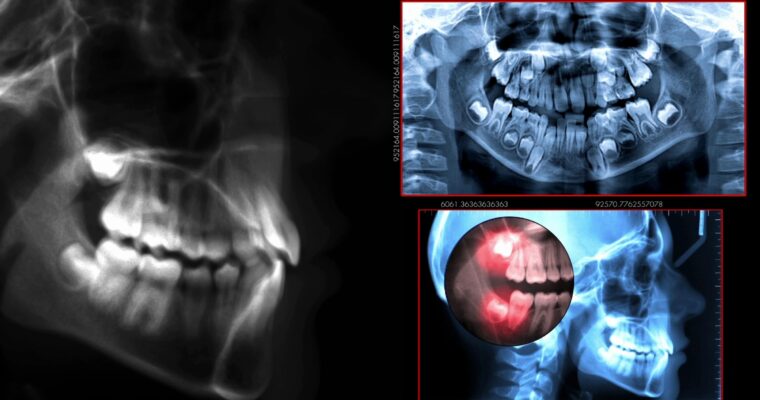
To start with dental bone loss can occur in the teeth themselves. What happens is that there is a gradual loss of the bone portion of the tooth. In addition to losing bone in the teeth dental bone loss also refers to the deterioration of the bones that surround and support the teeth. Please see the attached pictures for before and after bone loss. (2)

What are the most common risk factors for dental bone loss? The most common cause for dental bone loss is gum disease! I have written a blog on gum disease, both periodontitis and gingivitis. So, for more information on this topic, I refer to that blog. Other risk factors include smoking, poor dental hygiene (including not receiving regular dental cleanings). Normally when you chew, bite, or even speak there is pressure applied to the teeth and their surrounding bones. This pressure will stimulate the repair and even strengthening of the bones. However, if you have a tooth removed for any reason this process does not occur and as a result the bone deteriorates. Thus, losing a tooth is a risk factor for dental bone loss. This is also why having bridgework or dentures can lead to dental bone loss. Certain trauma such as knocking out a tooth, cracking a tooth or even fracturing jaw bones can lead to dental bone loss. Even certain misalignments can lead to bone loss. For example, TMJ disorder, wisdom tooth eruption, general wear and tear and even having an over/under bite. (1) Poor nutrition as well as certain chronic conditions can increase the risk of dental bone loss. (2)  If you have osteoporosis, when the bones become weak and brittle, you are at a higher risk of dental bone loss. Even certain tumors are a potential cause of dental bone loss. Osteomyelitis, which is inflammation in the bones can lead to dental bone loss. Certain prescription drugs can increase the risk of dental bone loss. (3) Having uncontrolled diabetes is also a risk for dental bone loss. Aging and age-related concerns can lead to dental bone loss. Lastly, tooth grinding is a significant risk factor as it wears away the teeth. (4)

What are the signs of dental bone loss? You may notice a change in the appearance of your teeth. For example, they may appear longer and thinner. You may notice bad breath. There may be receding gums. The teeth may feel as though they are unstable. (1) By unstable I mean you may notice that your teeth have begun to move, loosen, or even bleed. You may notice that your gums seem to “shrink.” Your gums may become swollen as well as start to bleed. There may be gaps between the teeth. (2)


What can you do to help reduce dental bone loss or even to reduce the risk of developing it?

  • Maintain healthy dental health by performing routine dental care. For example, floss and brush your teeth every day! See your dentist for regular dental cleanings.
  • Since smoking is a huge risk for dental bone loss, I recommend you quit smoking.
  • It is also important to maintain control of any chronic disease you may have such as diabetes. As always it is important to maintain a healthy diet that is low in sugar and high in vegetables! (1,2)
  • Vitamin D and calcium! Studies have found that using Vitamin D and calcium can reduce bone reabsorption and reduce the risk of fractures! (5) For Vitamin D and Calcium please see Invite’s Bone Powder and Calplex. For these nutrients individually please see D 1000 IU, 3000 IU and Calcium-Magnesium.
  • Vitamin K has been found to help reduce bone loss! (6) Please see Invite’s K formula and Bone Powder.
  • Strontium has been found to help reduce bone loss. (7) Please see Invite’s Strontium Citrate formula.
  • Collagen has been found in studies to help reduce bone density. (8)

Our product highlight will focus on Strontium, what it does and how to take it!

Sources:

  1. https://www.kwcdental.com/blog/how-to-prevent-bone-loss-in-teeth
  2. https://www.advanceddentistry.co.uk/blog/rebuilding-bone-loss-in-gums/
  3. https://www.cccrdentistry.com/conditions/bone-loss-in-jaw/
  4. https://dfworalsurgeons.com/blog/dental-bone-loss/
  5. https://pmc.ncbi.nlm.nih.gov/articles/PMC9610653/#:~:text=Clinical%20studies%20have%20shown%20that,total%20calcium%20in%20the%20body.
  6. https://pubmed.ncbi.nlm.nih.gov/32060566/#:~:text=Effect%20of%20Low%2DDose%20Vitamin%20K2%20Supplementation%20on,and%20Elderly%20Chinese:%20A%20Randomized%20Controlled%20Study.&text=VK2%20supplementation%20in%20dose%20of%2090%20%C2%B5g/day,and%20vitamin%20D3%20brought%20no%20additional%20effects.
  7. https://www.sciencedirect.com/science/article/pii/S2666138123000142
  8. https://www.gelita.com/en/blog/amazingcollagen/collagen-peptides-missing-link-bone-health#:~:text=A%20study%20has%20shown%20that,increase%20in%20the%20femoral%20neck.&text=Additionally%2C%20changes%20in%20bone%20turnover,%2Dyear%20follow%2Dup%20study.