Tag: wellness

FRUITS~NATURE’S TREAT

FRUITS~NATURE’S TREAT

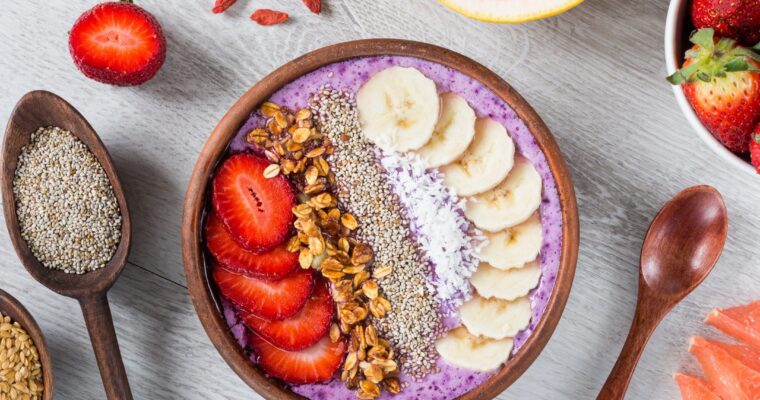
FRUITS~NATURE’S TREAT By: Allie Might, FMC, INHC, ATT   Fruit is one of those groups that we all know and love. In my experience, it’s always that food that most people don’t seem to have problems getting into their daily diet. However, let’s explore this 

MY PLATE~OUR DIET GUIDELINE AND FOUNDATION FOR HEALTH

MY PLATE~OUR DIET GUIDELINE AND FOUNDATION FOR HEALTH

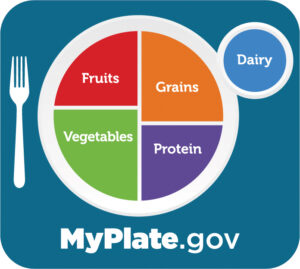
MY PLATE~OUR DIET GUIDELINE AND FOUNDATION FOR HEALTH By: Allie Might, FMC, INHC, ATT   March is National Nutrition Month so I thought it would be the perfect opportunity to go back to basics. We all remember when we were growing up and learning about 

Immunity Hx: The Super Immune Supplement

Immunity Hx: The Super Immune Supplement

Immunity Hx

Dr. Claire Arcidiacono, ND


I wanted to do my product highlight on what I consider to be the cornerstone of immune heath. In fact Immune is in its very name, Immunity Hx! Immunity Hx is a combination of vitamin C, vitamin D3 and Zinc! Immunity Hx has 500 mg of vitamin C, 2000 IUs (50mcg) of vitamin D3 and 30mg of zinc. Each of these nutrients has numerous studies showing how they can benefit our immunity.

Let’s start with vitamin C. Vitamin C is called an essential nutrient because it is a key nutrient for different pathways in our body yet our body is unable to make it.  In other words we must get vitamin c in either our diet or in supplement form.  In fact in western populations studies have found that vitamin c deficiency is common and in fact is the fourth leading nutrient deficiency in the US. Vitamin C deficiency may be caused by poor diet, drug or tobacco use, alcohol use, various chronic disease and even by pollution. There are four aspects of our immune system that are positively affected by vitamin C. These are the epithelial barriers, phagocytes, lymphocytes and inflammatory mediators.  Please see the attached Table for all the ways vitamin c affects these parts of the immune system. (1)

Table 1

Role of vitamin C in immune defense.

Immune System Function of Vitamin C Refs.
Epithelial barriers Enhances collagen synthesis and stabilization [30,31,32,33,34,35]
Protects against ROS-induced damage 1 [36,37,38,39,40]
Enhances keratinocyte differentiation and lipid synthesis [41,42,43,44,45]
Enhances fibroblast proliferation and migration [46,47]
Shortens time to wound healing in patients [48,49]
Phagocytes (neutrophils, macrophages) Acts as an antioxidant/electron donor [50,51,52,53]
Enhances motility/chemotaxis [54,55,56,57,58,59,60,61,62,63]
Enhances phagocytosis and ROS generation [64,65,66,67,68,69,70,71]
Enhances microbial killing [54,55,57,58,70,72]
Facilitates apoptosis and clearance [71,73,74]
Decreases necrosis/NETosis [73,75]
B- and T-lymphocytes Enhances differentiation and proliferation [62,63,76,77,78,79,80,81,82]
Enhances antibody levels [78,83,84,85]
Inflammatory mediators Modulates cytokine production [75,77,86,87,88,89,90,91,92,93,94]
Decreases histamine levels [56,61,95,96,97,98,99,100,101]

Open in a separate window

1 ROS, reactive oxygen species; NET, neutrophil extracellular trap. Note that many of these studies comprised marginal or deficient vitamin C status at baseline. Supplementation in situations of adequate vitamin C status may not have comparable effects.

Vitamin C has been found in studies to help fight different viral infections. (2) Other studies have found that vitamin C can cut the length of a cold in half. Additionally other studies have found vitamin C can help to prevent pneumonia. Studies have even found that vitamin C can help with tetanus. (3)

The next nutrient in Immunity Hx is vitamin D3. While most people think of D3 as just being for bone health there really is much more that D3 does for our health. Studies have indicated that having low vitamin D can increase the risk of infections. Vitamin D3 is interesting because unlike vitamin C it can be made by the body. (4) However, in my clinical experience reading over blood work I have found many people to have lower than optimum D levels that would suggest they would benefit from a D3 supplement. A number of studies have found an association between low levels of D3 and higher rates of infections such as the flu, vaginosis and HIV. (4) In one study vitamin D supplementation was found to decrease rates of seasonal influenza in school children. (5) Studies looking how vitamin D3 works have found that vitamin D3 is able to stimulate antimicrobial genes to activate. Thus vitamin D works to stimulate antimicrobial proteins and helps the body to fight off infections. (6) Overall vitamin D is an important supplement for our overall immunity. (4)

The last nutrient in Immunity Hx is zinc. Several studies have found that using zinc within 24 hours of catching a cold can decrease the length and severity of the cold symptoms. (7) Zinc like vitamin C is considered to be an essential nutrient for our health. Zinc deficiency like vitamin C is more common than we would expect and in fact it appears that as many as up to 2 billion people in the developing world may have a zinc deficiency. (8) Zinc deficiency has been found to affect multiple parts of the immune system. When zinc is deficient there’s parts of the immune system that are comprised and we become vulnerable to disease. (9) Overall studies have concluded that zinc is essential for our immune system to work to prevent illness. (1)

Overall the studies on vitamins C, D and zinc have one major thing to say. And that is these nutrients are all important for building our immune system and thus they all help us fight pathogens. Personally I like the Immunity Hx because it contains all 3 important nutrients in 1 supplement!

Our next blog will be something you may have heard of, Asthma!

Sources:

  1. https://www.ncbi.nlm.nih.gov/pmc/articles/PMC5707683/
  2. https://www.ncbi.nlm.nih.gov/pmc/articles/PMC9925039/
  3. https://www.ncbi.nlm.nih.gov/pmc/articles/PMC5409678/
  4. https://www.ncbi.nlm.nih.gov/pmc/articles/PMC3166406/
  5. https://pubmed.ncbi.nlm.nih.gov/20219962/
  6. https://pubmed.ncbi.nlm.nih.gov/15322146/
  7. https://www.bouldermedicalcenter.com/elderberry-zinc-and-the-fight-against-viruses/
  8. https://www.ncbi.nlm.nih.gov/pmc/articles/PMC2277319/
  9. https://pubmed.ncbi.nlm.nih.gov/9701160/
  10. https://www.ncbi.nlm.nih.gov/pmc/articles/PMC5748737/


Heart Health: The Complete Summary

Heart Health: The Complete Summary

Heart Health: The Complete Summary Dr. Claire Arcidiacono, ND   I hope this series on heart health has been both informative and interesting! While I took the time in this series to review some rather severe heart conditions I also wanted to do a quick 

FEBRUARY~LOVE AND HEARTS…THE RECIPES

FEBRUARY~LOVE AND HEARTS…THE RECIPES

FEBRUARY~LOVE AND HEARTS…THE RECIPES By: Allie Might, FMC, INHC, ATT   February is an interesting month. Not only is it Valentine’s Day which is always full of love but it’s also heart health awareness month….quite fitting if you ask me. Let’s spend this month together 

Greens Hx part 2

Greens Hx part 2

Greens Hx part 2

Dr. Claire Arcidiacono, ND


In our last blog we were talking about how one of our most popular supplements can be beneficial for our heart.  This supplement was Greens Hx and we will be continuing this exciting topic today! So let’s start off with talking about citrus bioflavonoids. To being just what are citrus bioflavonoids? Bioflavonoids are compounds that are found in different fruits, vegetables, chocolate and even tea and coffee! Bio flavonoids are flavonoids that are beneficial to our health in some way. As you can probably grasp from the name citrus bioflavonoids come from citrus fruits such as oranges, lemons and even grapefruit. (1) Studies have found that citrus bioflavonoids have a number of benefits for heart health and even circulation. For example studies have found that they can help to modulate lipid metabolism, improve cardiovascular outcomes and even suppress inflammation. In fact they have been found to help protect against cardiovascular disease and even offer vascular protection via a number of pathways. Please take a look at the picture below. (2)

The next item has long been considered to be a superfood in its own right. And that is the amazing blueberry.  To start studies have found that the antioxidants in blueberries can help to lower the levels of oxidized LDL. (3) One study found that blueberries can “significantly lower the oxidation of LDL”. (4) In one study in just 8 weeks it was found that those consuming blueberries had between a 4-6% decrease in blood pressure! (5) Other studies have also found that blueberries can help to lower blood pressure and even reduce arterial stiffness. (6) Lastly studies have found that blue berry intake is associated with a decreased risk of myocardial Infarction in both younger and middle aged women. (7)

The next item is something you might expect to find in a popular song not a blog on how Greens Hx is good for heart health. That is parsley! Props if you know the song it’s in. Anyoo moving on studies have found that flavonoid intake, such as those in parsley is associated with a decreased risk of cardiovascular disease. (8) Parsley, which is very high in certain B vitamins may also be helpful in lowering homocysteine which is a well-known marker of cardiovascular disease. (9) In one study the B vitamins found in parsley were associated with a lowered risk of stroke, coronary heart disease and heart failure! (10) Studies have also found that parsley can help to lower cholesterol levels. (11)

Alfalfa is the next item in Greens Hx. What does WebMD have to say about alfalfa? Well according to WebMD alfalfa can help to lower LDL cholesterol by reducing the rate of absorption of cholesterol in the intestines. WebMD also says that alfalfa is full of nutrients that are good for our heart. (12) Studies have found that alfalfa is helpful in protecting us from damage caused by nicotine use. (13) One interesting study on alfalfa found that over just 2 months of use there was an improvement in cholesterol levels. (14)

Rosemary may be another surprise when it comes to promoting heart health. In fact one study found that rosemary reduced the risk of heart failure following a heart attack. (15) Studies have also found that rosemary may inhibit the production of lipids and even lower our blood pressure. (16)

Bilberry has a number of benefits when it comes to heart health. Studies have found that bilberry can help to lower LDL and total cholesterol. (17) Other studies have found evidence that strongly supports the conclusion that bilberry helps to normalize blood pressure. (18) In one study that was just 8 weeks long people who used bilberry saw improvements in areas such as platelet function, blood pressure and even HDL levels! (19) According to Mount Sinai studies have found that bilberry may help to strengthen blood vessels and even improve our circulation. (20)

Lastly I wanted to mention stevia. While most people probably think of stevia as just a sweetener it is much more than that. Studies have found that stevia can help to lower total cholesterol, LDL and even triglycerides. (21) And then there are its benefits for things outside of heart health.  Overall as you can see Greens Hx is an amazing formula not just for our liver and detox but for our overall heart health too. As w slowly approach the end of this exciting look at heart health I hope that it has been both educational and perhaps a little fun too! My last blog on this topic before I do a summary will be regarding cardiomegaly or an enlarged heart.


Sources:

  1. https://www.ncbi.nlm.nih.gov/pmc/articles/PMC9332104/
  2. https://www.ncbi.nlm.nih.gov/pmc/articles/PMC6431442/
  3. https://www.ncbi.nlm.nih.gov/pmc/articles/PMC3820045/
  4. https://pubmed.ncbi.nlm.nih.gov/22935321/
  5. https://pubmed.ncbi.nlm.nih.gov/20660279/
  6. https://pubmed.ncbi.nlm.nih.gov/25578927/
  7. https://pubmed.ncbi.nlm.nih.gov/23319811/
  8. https://pubmed.ncbi.nlm.nih.gov/23953879/
  9. https://pubmed.ncbi.nlm.nih.gov/20937919/
  10. https://pubmed.ncbi.nlm.nih.gov/20395608/
  11. https://www.ncbi.nlm.nih.gov/pmc/articles/PMC5637854/
  12. https://www.webmd.com/diet/health-benefits-alfalfa
  13. https://www.ncbi.nlm.nih.gov/pmc/articles/PMC8976666/
  14. https://pubmed.ncbi.nlm.nih.gov/3606731/
  15. https://www.ncbi.nlm.nih.gov/pmc/articles/PMC5426768/
  16. https://pubmed.ncbi.nlm.nih.gov/18063331/
  17. https://pubmed.ncbi.nlm.nih.gov/34067538/
  18. https://pubmed.ncbi.nlm.nih.gov/35807881/
  19. https://pubmed.ncbi.nlm.nih.gov/34829135/
  20. https://www.mountsinai.org/health-library/herb/bilberry#:~:text=Studies%20show%20that%20anthocyanosides%20may,More%20research%20is%20needed
  21. https://www.healthline.com/health/food-nutrition/stevia-side-effects