Recent Posts

How Fast Food Impacts Your Body

How Fast Food Impacts Your Body

? by Emmy Smith on Unsplash According to research from the University of Bonn in Germany, eating fast food is like giving your body a bacterial infection. The obesity rate in the U.S. is a major health issue. According to the Centers for Disease Control …

This Superior Multivitamin is Tailored to Your Specific Needs

This Superior Multivitamin is Tailored to Your Specific Needs

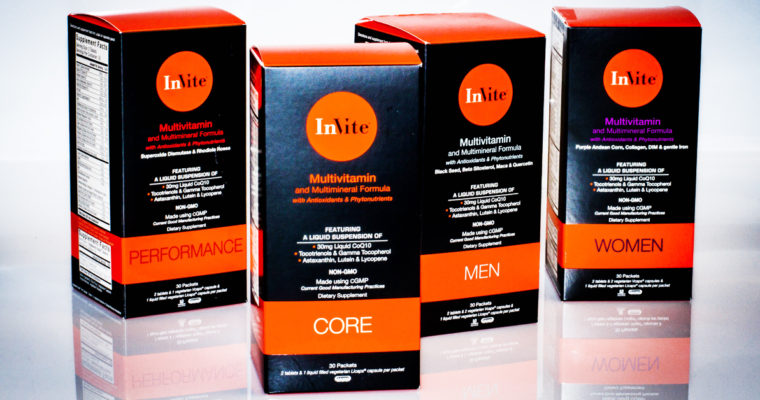
We live in an increasingly polluted environment, loaded with toxins; the soil we grow our food in is often nutrient-depleted and many consume processed, factory-made foods supplying scant nutrients. Ironically, our bodies wind up requiring even more vitamins and minerals to effectively metabolize nutrient-depleted foods. …

Can Running Keep Your Bones Young?

Can Running Keep Your Bones Young?

When you think of your bones, it is common to think of them as rigid, static and never changing. But, despite being a hard substance, your bones are very much alive, growing and changing throughout your life. This means, if our bones are nourished correctly, we may be able to keep them healthy for our entire lifetime. That’s why so many people look for health supplements to try and increase the density of their bones to ensure they are kept healthy for a longer amount of time.

The Breakdown of Our Bones As We Age

Our bones are constantly being broken down and built back up, so the body can remove old frail bone cells and replace them with new, strong ones. This is a normal process the body must perform in order to repair the micro-damage of everyday wear-and-tear. When you stub your toe or hit your elbow, your body needs a way to repair that tissue. In order to do that, osteoclasts make proteins and enzymes which dissolve the bone tissue, preventing old bone cells from accumulating. Without them, old, weak and worn out bone cells would not be removed and replaced with new, strong bone tissue. Osteoblasts help the body lay down new bone tissue.

Why is bone health so important? When we are children, new bone is added faster than old bone is removed. Women reach 85% of their bone mass by age 18. Men reach 85% of their bone mass by age 20. Peak bone mass is generally reached around age 30. After that, old bone is removed faster than new bone can be laid down.

Exercise for Healthy Bones

A new study performed out of Deakin University in Australia has found that individuals who run regularly have younger bone marrow than those who are sedentary. The study, published in the Journal of Bone and Mineral Research, involved more than 100 participants between the ages of 25 and 35 years old. Researchers found that participants who ran five and a half miles a week had bone marrow that was a year younger than they were, and people who ran 12.5 miles a week had marrow that was up to eight years younger than sedentary participants.

Researchers also wanted to understand whether or not exercise was associated with low levels of marrow adipose tissue (tissue that is present in higher rates in those with fragile bones). The research found that those who exercised more had lower levels of this tissue. Lead author, Daniel Belavy, explains, “Humans are born with predominately red blood cell producing bone marrow, however with age, this converts into a yellow, fatty marrow.” Though this is natural, that marrow is what makes bones more fragile, especially in the pelvis, legs and back.

According to the study, the runners were more likely to have younger bones than those who cycled or did another aerobic activity that did not involve the force on the bones that running does. In fact, those who cycled were found to have similar bone marrow to the people who did not exercise.

Belavy reports that people who ran the most had the youngest marrow, but also says that even people who jogged regularly would likely see the benefits of it in the form of younger bones.

Building Up The Strength of Bones

Nicole Crane, BS, NTP, former Director of Nutrition for InVite® Health recommends five nutrients and minerals that can help build up bones, giving your bones that optimal potential to regenerate.

Magnesium

“Magnesium is a nutrient with hundreds of essential roles in the body, including energy production, stress response, and nerve and muscle function. Magnesium influences calcium and other mineral metabolism in bone, reducing bone turnover and promoting new bone formation.”

Vitamin D

“Vitamin D makes sure that calcium ends up in the bones, preventing it from being deposited in areas it does not belong, like the arteries, kidneys and gallbladder. This vital nutrient also regulates the production of Osteocalciun, one of the core bone building proteins.”

Vitamin K

“Bones are made by laying down a base of collagen and other proteins, which are then filled in with mineral crystals. This action is driven by Vitamin K. Vitamin K assures that proper levels of minerals and nutrients fuse to the bones.”

Calcium

“Calcium is the most important nutrient for the bones, and it is often one of the hardest minerals to absorb. Approximately 99% of the calcium in our body is found in the bones.”

Strontium

“Strontium is a mineral that is more dense than calcium and shares a number of its bone functions. Most Strontium (about 90%) is found in the bone and gives it its strength, draws calcium to the bone and encourages minerals to be deposited in the bone.”

Questions about bone health nutrients? Leave us a comment below to join the conversation!

Lacking Energy? It May be Time for a Detox!

Lacking Energy? It May be Time for a Detox!

Eating a ‘clean’ diet for a couple of weeks allows the body an opportunity get a break from stimulants, inflammatory foods and alcohol as well as other sugary and processed foods.

Clear, Radiant Skin All Season Long

Clear, Radiant Skin All Season Long

Photo by Autumn Goodman on Unsplash The skin is the largest organ in the body and it is responsible for many functions that contribute to our health and well-being. It protects the body against physical and chemical aggressions, serves as a sensorial receptor, regulates body …

When Burnout and Stress Take Over: The Importance of Self-Care

When Burnout and Stress Take Over: The Importance of Self-Care

?: Nick Karvounis on Unsplash

Self-care is simply practicing personal healthy habits that are crucial to how you function. Self-care practices can be different for everyone, but their benefits have been shown to help each individual with focus, mood, and stress relief.

You have a busy day ahead of you. Whether it’s a long day of classes with essays and tests stacking up or you’re overwhelmed at work, your to-do list seems to be bursting at the seems. To make time for it all, you skip lunch, skip your workouts or decide not to meet your friends for dinner. It’s a common thought that forcing yourself into whatever you need to do – like stay up all night to study for a test or stay hours late at work to finish that presentation – will pay off in the end. But what happens when you become so overwhelmed that these tasks begin to effect your health?

Three signs that you need to practice self-care

When you abilities become worn, your skills aren’t as sharp, you’re losing focus and sleep and you become stressed, you should turn to some healthy self-care habits to get you back to your best you. If you are feeling these symptoms, you may want to focus your attention on some healthy self-care tips –

  1. Burnout. With the busy lives that we lead, we are all looking for the best way to get more energy. When you were younger, you woke up full of vibrant energy. Now, after a full day at school or work, you feel just as tired as the morning.
  2. Stress. Some stress can be beneficial; it can provide us with the boost in motivation we need to get the job done. But when stress becomes excess stress, it can lead to poor quality of sleep, muscle tension, headaches, or over/under eating when it’s not properly managed.
  3. Focus. Your to-do list seems to be growing faster than you can complete the tasks on it. When you become overwhelmed, it is hard for you to focus on one thing while you’re brain is working faster than your hands can.

Here are a few tips to help get you back on track

Self-care is important in order to maintain a healthy relationship with your health, especially your self-esteem and confidence. Make time throughout the day for yourself – enjoy a bubble bath, read a book, learn a new language!

When you’re overworked, stressed and disorganized, you are less productive. Take breaks at work or school to decompress – grab a healthy snack, take a quick walk, read a book!

Smart self-care habits like eating healthy and practicing mediation can really help your stress management and can lead to increased energy and productivity levels.

You cannot be physically healthy if you aren’t mentally healthy first. Care for both your physical and mental health by eating healthy, making sure to get adequate sleep, and exercise regularly.

Rhodiola

When you feel like you don’t have any energy left, you may want to look into a nutrient that has been proven to help your body adapt to daily stress and fatigue – Rhodiola. It is an ancient herb used to support energy and well-being, by modulating the body’s response to stress and helping to generate cellular energy. It has also been shown to enhance exercise performance, reduce fatigue, stress and anxiety, support the immune system and boost endothelial health and cardiovascular health.† Click here to read more about Rhodiola!

Share your self-care practices by leaving us a comment below!

INVITE® HEALTH CURRENT SALE