Author: Danielle Menke

5 Reasons to Take Probiotics and Why They’re So Good for You

5 Reasons to Take Probiotics and Why They’re So Good for You

Bacteria is commonly thought of as negative. There are plenty of harmful bacteria that can lead to a number of risks when it comes to the bacteria inside of your body. But with harmful bacteria comes beneficial bacteria called Probiotics. What are Probiotics? Probiotics are …

Why Black Seed is the Herbal Support You’ve Been Looking For

Why Black Seed is the Herbal Support You’ve Been Looking For

Photo by A Fox on Unsplash Native to Southern Europe, North Africa and Southwest Asia, Nigella sativa, or Black seed, has been used as a medicinal plant throughout the world, including the Middle East and South Europe. The seeds of N. sativa and their oil …

New Study: Breast Cancer Linked to Bacterial Imbalances

New Study: Breast Cancer Linked to Bacterial Imbalances

Photo by Drew Hays on Unsplash

Researchers from the Cleveland Clinic have uncovered differences in the bacterial composition of breast tissue of healthy women vs. women with breast cancer.

Importance of Bacteria

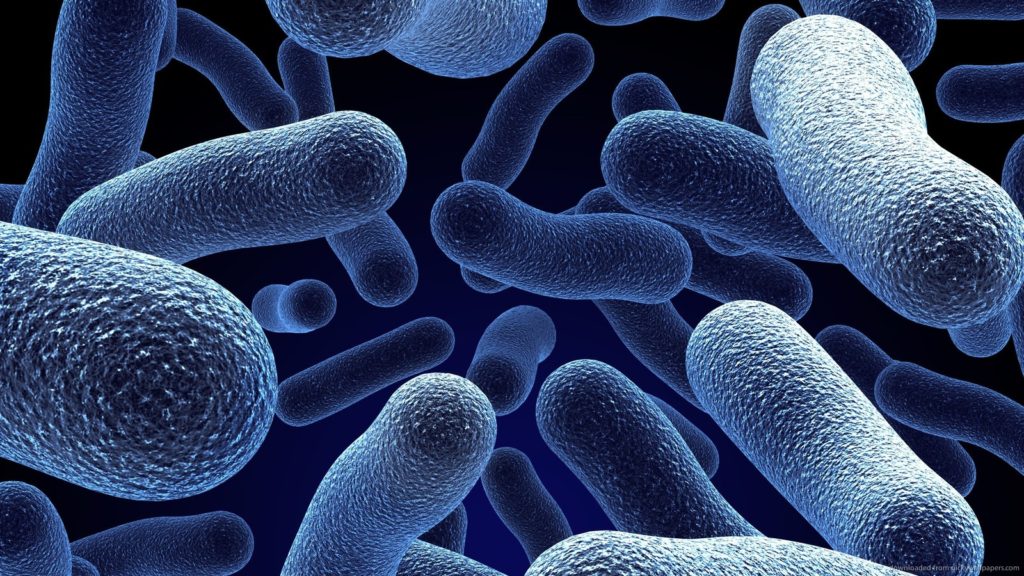
Bacteria that exists in your body is often thought of as unhealthy, but certain strains of bacteria are crucial to your overall health, specifically digestion and immunity. Inadequate amounts of healthy bacteria in the intestines often lead to issues throughout the body and have been linked to many diseases. It has been reported that researchers have long suspected that a “microbiome”, or bacteria, live within breast tissue and play a role in breast cancer and suggest that the microbes in the gut may regulate estrogen levels, leading to estrogen-receptor positive breast cancer. This clinical study has taken the first step towards understanding the composition of the bacteria in breast cancer by uncovering distinct microbial differences in healthy and cancerous breast tissue.

New Study: ‘The Wrong Bacteria Are Dangerous for Breast Health and Lactobacilli may Help Protect Breast Tissue’

Breast Cancer Facts

According to the American Cancer Society, breast cancer starts when cells in the breast begin to grow out of control and usually form a tumor. If the tumor is malignant, the calls grow into and invade surrounding tissues or metastasize to distance areas of the body. Breast cancer commonly occurs in woman, but men can get breast cancer too.

There is no sure way to prevent breast cancer as there are many risk factors out of your control – family history and aging, for example. However, there are other risk factors that you have control over that may lower your risk, according to the American Cancer Society.

  1. Get to and stay at a healthy weight
  2. Be physically active
  3. Limit or avoid alcohol

First Study on Bacteria within Breast Tissue

Co-senior author Charis Eng, M.D., Ph.D., chair of Cleveland Clinic’s Genomic Medicine Institute and director of the Center for Personalized Genetic Healthcare reported, “To my knowledge, this is the first study to examine both breast tissue and distant sites of the body for bacterial differences in breast cancer. Our hope is to find a biomarker that would help us diagnose breast cancer quickly and easily. In our wildest dreams, we hope we can use microbiomics right before breast cancer forms and then prevent cancer with probiotics or antibiotics.”

Published online in the journal Oncotarget, this small study examined the tissues of 78 patients who underwent mastectomy for invasive carcinoma (elective cosmetic breast surgery). Oral rinse and urine was also examined to determine the bacterial composition of these distant sites in the body.

The research team discovered for the first time that healthy breast tissue contains more of the bacterial specific methylobacterium. The team also discovered that cancer patients’ urine samples had increased levels of gram-positive bacteria, including Staphylococcus and Actinomyces. Further studies are needed to determine the role these organisms may play in breast cancer.

probiotics

Researchers Optimistic Outlook

Co-senior author Stephen Grobymer, M.D., states, “If we

can target specific pro-cancer bacteria, we may be able to make the environment less hospitable to cancer and enhance existing treatments. Larger studies are needed but this work is a solid first step in better understanding the significant role of bacterial imbalances in breast cancer.

Probiotics

According to Archana Gogna, MS, CNS, MBA, probiotics are friendly bacteria that make up the microbiome of the gut, are key to good health, and the gateway to good digestion and regularity. Healthy bacteria has been shown in rigorous human clinical trials to help with the following –

  1. Crowd out and limit the growth of putrefactive microorganisms that contribute to ill health
  2. Create an acidic environment out of the fibers in fruits and vegetables that limit the growth of infectious bacteria and produce antimicrobial-like substances that contribute to the control of bacteria like E-coli, and yeasts.
  3. Help energize the enzymes that improve digestion and the absorption of nutrients. This may help lactose intolerance, as well as other digestive issues that can lead to bloating or constipation.
  4. Produce certain B-vitamins and vitamin K. They have also shown to facilitate the absorption of minerals such as Calcium, Magnesium, Iron and Zinc.
  5. Release acetate from the fibers in fruits and vegetables to help us feel full and create CLA out of vegetable fats that helps burn belly fat
  6. Colonize the skin and mucous membranes and play an important role healthy microbial balance of the skin, vaginal region, breasts and urinary tract.
  7. Support digestive comfort
  8. Support daily bowel movements
  9. Support total body immunity
  10. Are appropriate to take year-long for many people

What do you think about this new study? Questions about breast cancer or bacterial imbalances? Share your feedback in the comments!

INVITE® HEALTH CURRENT SALE

New Study: Just 1 Hour of Exercise Per Week Prevents Depression

New Study: Just 1 Hour of Exercise Per Week Prevents Depression

Photo by Sam Owoyemi on Unsplash Depression is a disorder that affects around 6.7% of adults in the United States each year. The World Health Organization (WHO) reports that more than 300 million people currently live with the disorder. This disorder is not a normal …

Cocoa Also Supports Your Gut, Not Just Your Brain

Cocoa Also Supports Your Gut, Not Just Your Brain

Trillions of bacteria live in our gut – both healthy and unhealthy. When the body has more unhealthy bacteria than healthy bacteria, it can cause digestive problems such as bloating and gassiness. Research has shown that balanced levels of “good” bacteria is needed for proper …

Winter is Here! Let L-Carnitine Keep You Warm

Winter is Here! Let L-Carnitine Keep You Warm

Photo by Laurence Cruz on Unsplash

A common complaint of older adults is their inability to stay warm, as they are more sensitive to the cold. New research has found that L-carnitine may be able to jump-start the body’s central heating. Say goodbye to your snuggie!

Conducted at the University of Utah Health in Salt Lake City, a study using mice set out to investigate the ability to keep our bodies warm. As we age, our ability to do so is compromised, which sets older individuals up for a higher risk of hyperthermia. Researchers set out to determine if they could lower that risk. To do this, senior author Claudio Villanueva, Ph.D, an assistant professor of biochemistry, focused on fats.

Types of Fats

There are two types of fat cells (adipocytes) – white fat and brown fat. White fat is the predominant form of fat in the body, especially in connective tissue. It functions as the largest energy resource in the body and is a thermal insulator that cushions our internal organs and helps regulate appetite and hunger. But too much white fat, as with everything in life, can be dangerous. According to Pam Peeke, MD, MPH, FACP, white fat is generated by consuming too many calories and expending too few calories. You know the fat we’re talking about – it’s found around the hips, thighs and belly region.

Iron and tiny blood vessels give brown fat its color. Its purpose is to burn calories in order to generate heat, which is why it is often regarded as the “good fat”. Brown fat is derived from muscle tissue. But, as we age, the quantity of brown fat significantly decreases. According to Peeke, adults who have comparatively more brown fat than white fat tend to be younger, slender and have normal blood sugar levels. We generate brown fat by exercising and getting enough sleep.

Peeke goes on to explain that white fat interacts with brown fat. Here’s why – “When people overeat, they not only increase their total amount of white fat, but the over-consumption results in their brown fat becoming dysfunctional and thus unable to burn calories.” In order to keep everything balanced eat whole foods in moderation, stay active, practice stress resilience, and lead a mindful lifestyle.

The Study

Researchers found that acylcarnitines, a waxy lipid, rose rapidly in response to lower temperatures, but in older mice, acylcarnitines remained relatively low – a possible sign that they had less control over their core temperature. Researchers gave older mice a single dose of the common nutritional supplement L-carnitine, which is known to increase levels of acylcarnitines. The increased levels of circulating acylcarnitines improved the older mice’s ability to adapt to the cold.

At first, the result of higher levels of acylcarnitines were daunting, as it is commonly seen as a warning sign. For example, infants that have higher levels of acylcarnitines indicate metabolic disease. However, this is the first time that researchers have reported levels have been coming from the liver. From the liver, lipids circulated through the bloodstream and stopped at “energy-intensive tissues”, where they were metabolized by acylcarnitines to be used to generate heat. To test this, researchers artificially reduced the amount of circulating acylcarnitines. Once lowered, even younger mice struggled to warm up in cold temperatures.

Until now, finding a way to activate brown fat has proven difficult. Now, with the knowledge that acylcarnitines might act as a switch, it is likely to pick up pace.

L-Carnitine Supplement

L-Carnitine is a natural substance found in most cells of the body, and it is crucial for the production of energy. After your body metabolizes fats and carbohydrates into fatty acids, L-Carnitine transports them into the mitochondrial power plants of the cell, where they serve as fuel for energy production. Simply put, L-Carnitine turns fat into energy.

As a dietary supplement, L-Carnitine offers support for healthy fat metabolism, resulting in healthy and lean body mass, and increases endurance, strength, and stamina in the muscles. L-Carnitine allows the body to convert fat into energy so the muscle can use it. Remember, the heart is a muscle as well, and a very metabolically active one at that! L-Carnitine is ideal for helping to strengthen and protect the heart, as well as recover from exercise.

Questions about L-Carnitine? Leave them in the comments for Scientific Director and Pharmacist, Jerry Hickey.


INVITE® HEALTH CURRENT SALE