
Ladies! Your Late Night Eating Could Be Contributing to Poor Heart Health
You may want to take a closer look at your eating habits, as a new study says there is a likelihood of increased heart health conditions with late night eating.
Nutrition. Vitamins. You.
You may want to take a closer look at your eating habits, as a new study says there is a likelihood of increased heart health conditions with late night eating.

A new study says yoga and physical therapy are effective approaches to treating back pain and helping you sleep better, while reducing the need for medication.

A new study from a team of clinical psychologists at the University of Kansas (UK) suggests that eating added sugars can actually trigger metabolic, inflammatory and neurobiological processes tied to depressive illness. Here’s what that means for you during the holiday season, when so many foods are centered around sugar.
Researchers have dubbed the holiday season, “the perfect storm”, as dwindling light in the wintertime, changes in sleep patterns and high sugar consumption all come together to impact both our physical and mental health.
Stephen Ilardi, KU associate professor of clinical psychology reports, “For many people, reduced sunlight exposure during the winter will throw off circadian rhythms, disrupting healthy sleep and pushing five to 10% of the population into a full-blown episode of clinical depression.”
Also know an Seasonal Affective Disorder (SAD), this condition is a specific form of depression that typically begins in fall and continues throughout the winter months. It can cause moodiness, appetite changes, and decreased energy levels.
There’s no known cause of Seasonal Affective Disorder, according to Millie Lytle, ND, former Director of Nutrition for Invite Health, but some factors that play a role in this condition are a drop in levels of certain chemicals that occur naturally in the body. “Reduced exposure to the sunlight may cause a drop in your serotonin levels, which is your body’s natural “happy” chemical. The drastic change in the seasons may affect the balance of melatonin in your body as well, which regulates sleep patterns and overall mood. When fall turns to winter your circadian rhythm, or biological clock, is disrupted – this can lead to feelings of overall sadness and depression,” explains Lytle in an article entitled, ‘Seasonal Affective Disorder: Fighting Winter Depression’ found here.
“One common characteristic of winter-onset depression is craving sugar,” Ilardi said. “So, we’ve got up to 30% of the population suffering from at least some symptoms of winter-onset depression, causing them to crave carbs — and now they’re constantly confronted with holiday sweets.”
Sugar has an immediate mood-elevating effect but in high-doses can actually impact your mood negatively, your well-being, can elevate inflammation and even cause weight gain.
The investigators reached their conclusions by analyzing a wide range of research on the physiological and psychological effects of consuming added sugar, including the Women’s Health Initiative Observational Study, the NIH-AARP Diet and Health Study, a study of Spanish university graduates, and studies of Australian and Chinese soda-drinkers. The researchers also found that inflammation is the most important physiological effect of dietary sugar-related to mental health and depressive disorder.
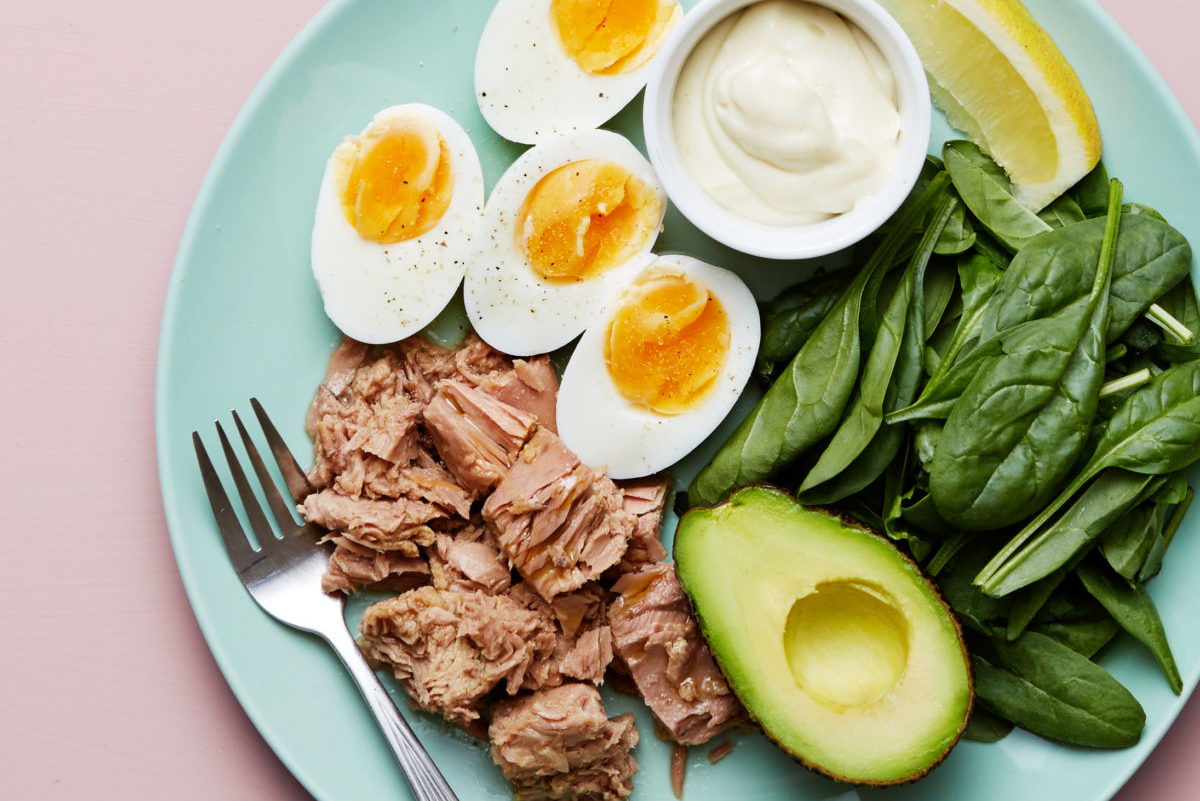
It would be easy to recommend eliminating as much sugar as possible, but in today’s world and many following the Standard American diet (high-fat, high-sugar, high-calorie) eliminating sugar completely can prove to be difficult. Instead, focus on what you should be eating; Researchers recommend a minimally processed diet that is rich in plant-based foods and omega-3 fatty acids. This means adding more greens and foods like fish, eggs and poultry to your diet this season.
According to Millie Lytle, there are some supplemental recommendations to dealing with winter-woes, including speaking with your doctor or a nutritionist about incorporating a high-quality Vitamin D supplement to your routine. “Known as the sunshine vitamin, Vitamin D has been studied for its effectiveness to boost mood, especially in the colder months. Deficiencies in Vitamin D have been shown in individuals who are overweight or obese, in older individuals, and those who frequently avoid the sun.”
“There’s no one-size-fits-all approach to predicting exactly how any person’s body will react to any given food at any given dose,” Ilardi stated. “As a conservative guideline, based on our current state of knowledge, there could be some risk associated with high-dose sugar intake — probably anything above the American Heart Association guideline, which is 25 grams of added sugars per day.”
Daniel J. Reis, Stephen S. Ilardi, Michael S. Namekata, Erik K. Wing, Carina H. Fowler. The depressogenic potential of added dietary sugars. Medical Hypotheses, 2020; 134: 109421 DOI: 10.1016/j.mehy.2019.109421

Photo by @freepik Often used to treat high blood pressure and other cardiovascular conditions, beta-blockers are medications that help to block the effects of the hormone epinephrine, also known as adrenaline. This causes your heart to beat more slowly and with less force in order …

Did you know that, according to the American Heart Association, Americans get over 50% of their daily calories from ultra-processed foods? Now, new research links this with lower measures of cardiovascular health.
According to a new Yale University study published in the journal Science Immunology, mice that were fed a ketogenic diet were better able to combat the flu virus better than mice fed a diet high in carbohydrates.
The latest health and dietary trend is the ketogenic diet – or keto for short – which is a low-carb, high fat diet that aims to put your body into a metabolic state known as ketosis. Ketosis enables your body to use fat for energy, instead of carbohydrates from sugar by producing ketones, or small molecules that are alternative fuel sources for the body when sugar (glucose) is in short supply. Ketones are produced by the liver when you eat very few carbs, moderate amounts of protein, and large amounts of fat.
The Perfect Products to Support Your Keto Lifestyle. Click here to read more >>
According to Harvard Health Publishing, previous research shows good evidence of faster weight loss when patients go on a ketogenic or very low carbohydrate diet, compared to participants on a more traditional low-fat diet, or even a Mediterranean diet. Further, a ketogenic diet has been shown to “improve blood sugar control for patients with type-2 diabetes, at least in the short term.” Now, this new study by Yale University researchers says it may even have benefits for your immune health.
Researchers of the study report, “the ketogenic diet activates a subset of T-cells in the lungs not previously associated with the immune system’s response to influenza, enhancing mucus production from airway cells that can effectively trap the virus.”
The study showed that mice fed a keto diet that were infected by the flu virus had a higher survival rate than mice on a high-carb normal diet. Specifically, researchers found that the keto diet triggered the release of gamma delta T cells, immune system cells that produce mucus in the cell linings of the lung — while the high-carbohydrate diet did not.
Co-senior author Visha Deep Dixit, reported, “This study shows that the way the body burns fat to produce keto bodies from the food we eat can fuel the immune system to fight flu infection.”