Recent Posts

PROTEIN (POWDER): THE IMPORTANT NUTRIENT WE ALL KNOW

PROTEIN (POWDER): THE IMPORTANT NUTRIENT WE ALL KNOW

PROTEIN (POWDER): THE IMPORTANT NUTRIENT WE ALL KNOW By: Allie Might, FMC, INHC, ATT   Protein is that nutrient that everyone knows and everyone loves. But how well do we know all the proteins available? Let’s navigate through one of our favorite foods and discuss 

Nattokinase!

Nattokinase!

Nattokinase! Dr. Claire Arcidiacono, ND What the heck is Nattokinase? Where does it come from? What exactly does it do? Is it just for heart health or does it do anything else for us? These are just some of the questions that people have about 

What is Angina?

What is Angina?

What is Angina?

Dr. Claire Arcidiacono, ND


Angina or heart/chest pain is one of the first signs that many experience when they have heart disease. However there are other conditions that mimic angina. One of these is anxiety. Angina and anxiety share many symptoms including a feeling of chest pain, nausea, rapid heartbeat, breathlessness and a feeling that the heart is being squeezed.  Because the two are so similar it is important to see a doctor to confirm what is causing the chest pain. As I always say it’s better to be safe than sorry.  (1)

Now let’s do a quick review of symptoms.  The general symptoms of angina include chest pain that may feel like its burning, squeezing or even just feels very full. There may be a feeling of pressure in the chest area. The pain may also radiate to the arms, neck, jaw, shoulder or back. There may be a feeling of dizziness, nausea, shortness of breath, and even increased sweating.  Now remember how when I wrote about heart attack I mentioned that in some cases women are more likely to have atypical symptoms? Well that is also true with angina.  Some women may have the typical symptoms or may present with more severe stomach pain, nausea, shortness s of breath, stabbing pain or pain in the jaw, neck or back.  (2)

Now I know I spoke about how Angina and Anxiety resemble each other and even went over some of the symptoms of angina but what exactly is angina? Angina is a condition where there is chest pain caused by a decrease in the blood flow to the heat. General signs of angina are as I said a feeling of pain, squeezing, pressure and tightness in the chest. Angina is broken down into 4 types. These are stable, unstable, variant and refractory. (2)

Let’s start with the most common form of angina, stable angina. Stable angina is caused by activity or emotional stress. When you have stable angina the symptoms are often predictable because the same amount of activity will trigger angina to occur. The symptoms will improve with rest or medications. (3)

Unstable angina causes unexpected chest pain and occurs while you are resting. Unlike stable angina it is considered to be an emergency situation. Additionally unstable angina unlike stable angina is not relieved by rest or medication. (4)

Variant Angina is also known as Prinzmetal or vasospastic angina. In this case the angina occurs usually while you are asleep and resting. Unlike other forms of angina where coronary artery disease is the common cause of the decreased blood flow in variant angina the decrease in blood flow is caused by spasms of the coronary arteries. These spasms can be caused by medications, recreational drug use, tobacco and stress. This type of angina is considered rare and according to the American Heart Association accounts for only 2 out of every 100 cases of angina. (5)

The last type of angina is refractory angina and is defined as “a chronic condition of angina caused by coronary artery disease which cannot be controlled by a combination of medical therapy, angioplasty or bypass and the damage caused by ischemia is the cause of the symptoms.” (6) Ok I bet you read that and said ok now what does it all mean? It basically means that the treatments no longer help the angina pain because the decreased blood flow has caused damage to the heart and this damage not just the decrease in blood flow is what is now causing the symptoms.

Now that I’ve gone over the types of angina lets go over the most common risk factors for developing angina. Now I just want to point out that angina is a symptom of an underling heart problem. Having one of these will trigger angina.  One of the most common is coronary artery disease (CAD). Now I won’t go into too much detail here because I plan on doing a whole blog on CAD. What I will say is that in CAD the coronary arteries become blocked thus blood flow is reduced. Angina is also caused by coronary microvascular disease where the tiny arteries that branch from the larger arteries are damaged. Lastly, spasms of the coronary arteries can cause angina. Now I know these are underlying heart conditions that can lead to angina but what are the risk factors? Well the risk factors include age, family history of angina, exposure to pollution, alcohol use and a poor diet. Having a history of metabolic syndrome, heart failure, heart valve disease, high blood pressure, cardiomyopathy and even anemia can all increase the risk of angina. (7)

One of the most severe concerns when dealing with angina is that it may be sign you are having a heart attack. This is why if you are having chest pain that lasts longer than a few minutes or isn’t relieved with medications it is important to go to the hospital just to be safe. (2)

Now when it comes to angina it is important to concentrate on our circulation:

  • Grape Seed has great potential in helping with circulation according to studies. (8) Please see Invite’s Grape Seed Extract!
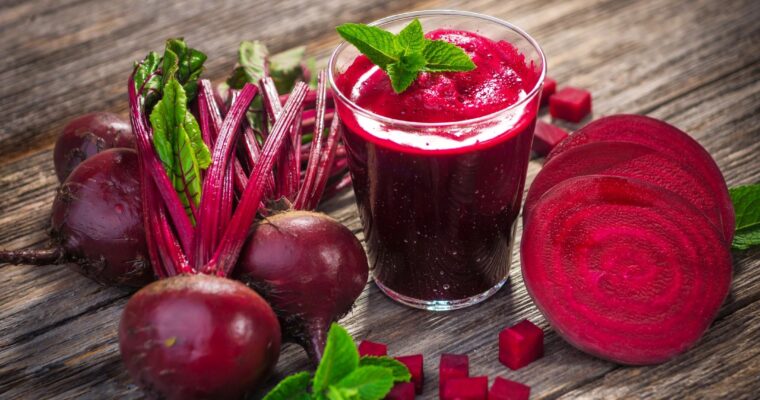
  • L Arginine according the Mayo clinic is helping for opening up the blood vessels and can be helpful for circulation. (9) Please see Invite’s L Arginine! And also please check out my product spotlight on Beets Hx which highlights how beets is a great source of L Arginine!
  • Aged Garlic has also been found to be very helpful for our heart health including improving our circulation. (10) Please see Invite’s Aged Garlic
  • Hawthorne as we know is amazing for heart health and according to studies it is very helpful in working with atherosclerosis which is a huge risk factor for poor circulation. (11) Please see Invite’s Cardio Hx and Normo- Tensive
  • Please see my product spotlight on Veins Hx for more on this amazing circulation formula!
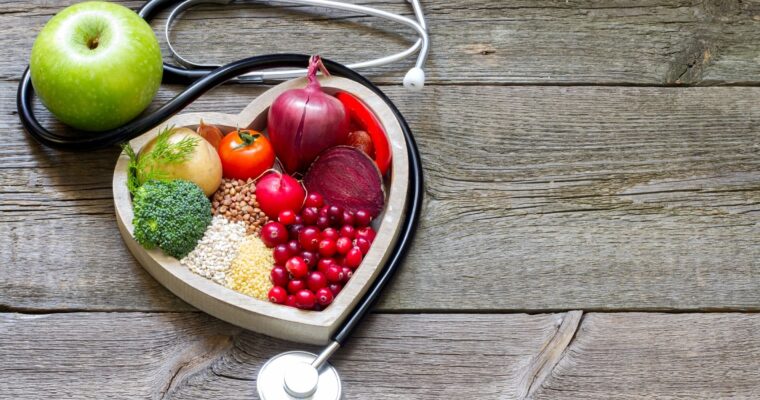
  • Let’s not forget diet! Studies have found that the Mediterranean diet is amazing for our heart health. (12)
  • Our next product spotlight will be on Nattokinase

Sources

  1. https://www.calmclinic.com/anxiety/symptoms/angina
  2. https://www.mayoclinic.org/diseases-conditions/angina/symptoms-causes/syc-20369373
  3. https://www.mountsinai.org/health-library/diseases-conditions/stable-angina#:~:text=Stable%20angina%20is%20chest%20pain,%2C%20atria%2C%20arteries%20and%20veins
  4. https://www.heart.org/en/health-topics/heart-attack/angina-chest-pain/unstable-angina
  5. https://my.clevelandclinic.org/health/diseases/21867-prinzmetal-angina
  6. https://www.ncbi.nlm.nih.gov/pmc/articles/PMC6159461/
  7. https://www.nhlbi.nih.gov/health/angina/causes
  8. https://journals.lww.com/md-journal/fulltext/2022/11180/pilot_study_on_the_effect_of_grape_seed.38.aspx
  9. https://www.mayoclinic.org/diseases-conditions/high-blood-pressure/expert-answers/l-arginine/faq-20058052
  10. https://www.ncbi.nlm.nih.gov/pmc/articles/PMC6966200/
  11. https://www.ncbi.nlm.nih.gov/pmc/articles/PMC7047282/
  12. https://www.ahajournals.org/doi/10.1161/CIRCRESAHA.118.313348

Purples Hx and the Heart!

Purples Hx and the Heart!

Purples Hx and the Heart! Dr. Claire Arcidiacono, ND   I wanted to take the time to talk about one of the most under rated products at Invite health. What product is this you ask? Why its Purples Hx! Purples Hx is an amazing combination 

Mitral Valve Prolapse

Mitral Valve Prolapse

Mitral Valve Prolapse Dr. Claire Arcidiacono, ND   Our next topic is one that will draw heavily upon the anatomy blog that I wrote a while ago. This topic is mitral valve prolapse (MVP). Do you recall how the heart was divided into left and 

ALLIE’S WEIGHT LOSS TIPS AND TRICKS

ALLIE’S WEIGHT LOSS TIPS AND TRICKS

ALLIE’S WEIGHT LOSS TIPS AND TRICKS

By: Allie Might, FMC, INHC, ATT


As we get into January, the hot topic always seems to be weight loss, as it’s probably one of the moth popular resolutions made…and also one that always seems to be one of the most difficult to accomplish. To help you accomplish your weight loss goals today, I’ve compiled some of my favorite go-to tips and tricks that work for me….I hope they are helpful for you too.

SET A REALISTIC GOAL

I’ve always found that when I set a goal that’s realistic, it helps me to stay on track and reach goals with ease. For example, let’s say someone wants to lose 50 pounds this year. It sounds like a lot and can be overwhelming. However, if that person breaks it down to 4-5 pounds a month, that is an easier focus, and something to celebrate each month as it’s accomplished.

PLAN AND PREP

Planning out healthy meals for at the start of each week can be a big help. This allows us to make sure we have all the ingredients on hand, as well as knowing what to prepare instead of “winging it” and potentially making unhealthy choices.

Getting into the habit of taking the meal plan and prepping takes this to the next level. Prepping allows you to have meals and snacks prepared and ready for consumption….all you need to do is heat it up. Prepare enough protein, veggies and some whole grains (i.e.: brown rice, quinoa) if you like and portion everything out into meal containers. You can even prep snack like fresh fruit for the week or containers of a cup fresh veggie sticks with two tablespoons of hummus.

WHAT TO CONSUME

Incorporating whole food options can be satisfying, nutritious and filling. These are the basic guidelines I like to recommend and have personally found useful, but keep in mind that this may vary depending on an individual’s health history and goals.

Keep fruit to 1-2 servings per day…i.e.: 1 banana, apple, peach or 3/4 cup of berries, grapes

Aim for 5-9 cups of veggies/leafy greens per day

Lean protein at every meal…i.e.: grilled boneless/skinless chicken breast, grilled/broiled fish, eggs and tofu

Whole grains as tolerated…i.e.: brown rice, quinoa, and oats

Healthy fats…i.e.: extra virgin olive oil, avocado, nut butters

WHAT TO AVOID

This is always a difficult one, as we all know what to avoid, but it’s always a good reminder. Try to avoid such items like processed foods including, but not limited to, frozen and canned foods, white foods (i.e.: white flour, bread and sugar), sugar and high fructose corn syrup and soda.

EXERCISE

Simply put, burning calories=weight loss. So, what’s the best way to burn calories? Well, it’s exercise. The Mayo Clinic recommends a combination of aerobic exercise (cardio) and weight/resistance training as part of complete and healthy workout. In addition to helping with weight loss, exercise can also benefit the bones, muscles and the circulatory system.

PROPER SUPPLEMENTATION

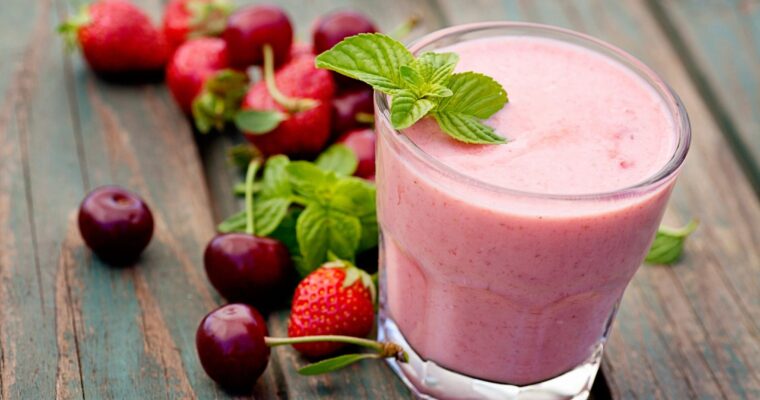
Protein Powder: Protein is essential for our tissues and is often associated with muscles and supplies important amino acids. It is recommended to get 7 grams of protein for every 20 pounds of body weight. Adding in a protein powder to a smoothie or shake as a meal replacement can offer diet benefits while supplying a fair amount of protein needed for the day.  Try the InVite Health Whey Protein Powder or Plant Protein daily.

Green Tea: Green tea is a common drink and a well-known antioxidant. However, a study published through the National Library of Medicine shows that it can also be helpful for weight loss. It can be taken in pill form like the Green Tea Hx or my personal favorite, the Green Tea Tx which is a decaffeinated and concentrated liquid to be added to plain water or a cup of brewed green tea.

Probiotic: Many people are surprised by incorporating a probiotic to support weight loss. Studies have shown that as a probiotic helps to balance gut bacteria, it in turns aids in weight loss and maintaining a healthy weight. Adding in Probiotic Hx along with Probiotic Hx Weight can be helpful in working together to help reach your weight goals.

I hope you find these tips helpful as you work towards your weight loss goals for this year.

www.myplate.gov

www.mayoclinic.org/healthy-lifestyle/weight-loss/in-depth/exercise/art-20050999

www.hsph.harvard.edu/nutritionsource/what-should-you-eat/protein/#protein-research

www.ncbi.nlm.nih.gov/pmc/articles/PMC4025876/

health.clevelandclinic.org/could-probiotics-help-with-weight-loss