Recent Posts

The Nutrients Your Hair is Craving for Healthy, Strong Locks

The Nutrients Your Hair is Craving for Healthy, Strong Locks

Photo by Element5 Digital on Unsplash Your hair takes a beating throughout the seasons. Whether you color it, are constantly using high-heat like blow dryers, curlers and straighteners, or using numerous products to get the desired style, your hair is crying out for some attention! 

Not Losing Weight? Your Gut Bacteria May Be To Blame!

Not Losing Weight? Your Gut Bacteria May Be To Blame!

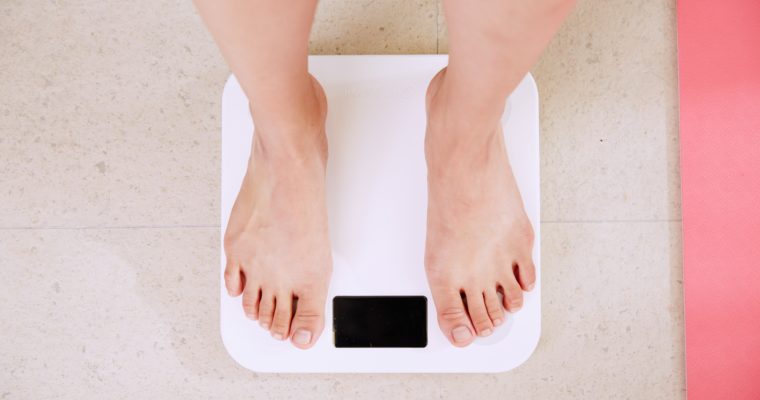
Photo by i yunmai on Unsplash In a preliminary study published in the August issue of Mayo Clinic Proceedings, researchers suggest that, for some, specific activities of gut bacteria may be responsible for their inability to lose weight, despite them sticking to strict diet and 

Your Hydration Strategy While Working Out

Your Hydration Strategy While Working Out

Your hydration strategy is just as important as your workout plan. Proper hydration can be the difference between a good workout and a painful one.

Dehydration can impact numerous functions in your body, including your metabolism and your sweat rate. Your metabolism owes much of its function to the amount of water the body has available. When you are dehydrated, it can cause a reduction in your workouts. Sweat is how your body regulates temperature. When you sweat less, the effort can feel harder, which can leave you at risk of overheating. This is why having water is so important when you’re going to workout.

Track your hydration with fitness technology, available at InVite® Fitness for an exclusive discounted price! >>

So, what is the perfect amount of hydration?

Here is what lead researchers suggest –

Total water intake each day: The Centers for Disease Control and Prevention (CDC) suggests that women drink 2.7 liters (91 ounces) of total water each day.

Before exercise: The American College of Sports Medicine (ACSM) recommends drinking about 500 ml of fluid (about 17 ounces) two hours before exercise.

During and after exercise: The American Council on Exercise recommends drinking 7 to 10 fluid ounces every 10 to 20 minutes, and 16 to 24 fl oz. for every pound of body weight lost after exercise.

Did you know that Beets can provide superior exercise and endurance benefits? Here’s what you need to know! >>

Here’s how to do it

While that may seems like too many numbers to count while you’re working out, here’s a trick! Heather Milton, MS, RCEP, CSCS, an exercise physiologist and clinical specialist at NYU Langone’s Sports Performance Center has a great suggestion – “Weigh yourself before you begin to work out, then again after your workout is done. Compare the numbers to calculate how much you’ve lost. That number is your sweat rate.”

Another tip? Ditch your sports drink for Alkalizer! According to Amanda Williams, MPH, of InVite® Health, “It is not that we simply need to follow water hydration guidelines, but we also need to understand the important of rebalancing our electrolytes after excessive fluid-loss.” To do this, Williams suggests replacing and restoring your minerals with magnesium and potassium. A superior alkalizer powder – easily mixed into water during or after your workout – can provide you with these nutrients. They’ve been shown in studies to maintain pH balance in the body, support energy production, and even muscle and bone health.

Questions about hydration or your workouts? Leave our Certified Nutritionists a comment below.

INVITE® HEALTH CURRENT SALE

New & Improved Krill Oil Supplement Available Now!

New & Improved Krill Oil Supplement Available Now!

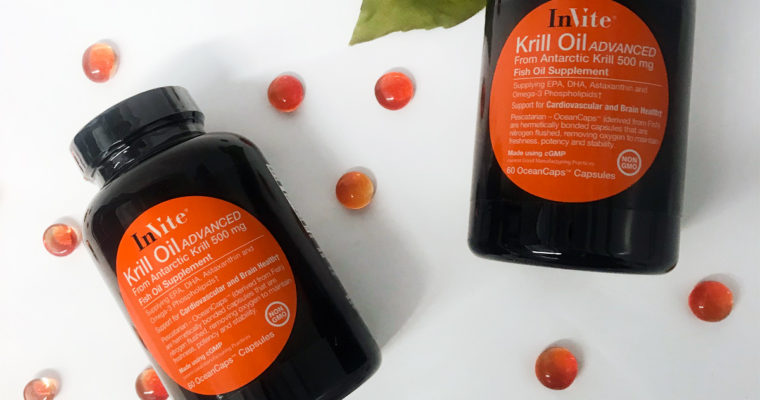
For years, heath experts have been touting the benefits of fats from fish, and rightfully so. Fish and other seafood are considered the best source of fats from the Omega 3 family, which includes the fatty acids EPA and DHA. Most people do not get 

Build Your Own Success Story with an InVite® Health Franchise

Build Your Own Success Story with an InVite® Health Franchise

Vitamins have been reduced to a commodity. We break the mold by creating a personalized experience. At InVite® Health, The Luxury Brand of Vitamins, we offer a unique retail experience and the highest quality products, combined with access to the latest health research and a 

New Study: Alanine May Reduce Blood Sugar Levels

New Study: Alanine May Reduce Blood Sugar Levels

Photo by MedicineHow

Alanine is a amino acid, the building blocks of protein, that help the body convert glucose into energy and help to build muscle. Scientists at Joslin Diabetes Center have presented a new study where alanine may produce a short-term lowering of glucose levels by altering energy metabolism in the cell.

The Study on Alanine and Blood Glucose

Mary-Elizabeth Patti, MS, an investigator in Joslin’s Section on Integrative Physiology and Metabolism explains, “Our study shows that it’s possible we can use specific nutrients, in this case amino acids, to change metabolism in a cell, and these changes in metabolism can change how cells take up and release glucose in a beneficial way.”

To begin, the research team began with an attempt to see what nutrients might activate a key protein called AMP kinase (AMPK), an enzyme in cells throughout the body that is activated when nutrient supplies are low, or in response to exercise. “AMPK then causes a lot of beneficial changes in the cell, turning on genes that serve to increase energy production. AMPK is a good thing, and it also can be activated by a variety of treatments for type 2 diabetes.” This made the scientists think: Could an amino acid switch on this beneficial enzyme?

Checking Your Blood Sugar Levels are Important – No Matter Your Age! >>

The researchers began to test many amino acids in rat liver cells and confirmed that AMPK was producing some of its usual metabolic effects after alanine activation. Next, scientists gave alanine by mouth to mice and found that AMPK levels rose. If the mice ate alanine before they received a dose of glucose, their resulting blood glucose levels were significantly lower. AMPK was shown to directly boost glucose uptake in the lever and decrease glucose release.

Patti sums up the study by reporting, “All these data together suggest that amino acids, and specifically alanine, may be a unique potential way to modify glucose metabolism.”

Yusuke Adachi, Ana Luisa De Sousa-Coelho, Ikue Harata, Charlie Aoun, Sandra Weimer, Xu Shi, Karina N. Gonzalez Herrera, Hirokazu Takahashi, Chris Doherty, Yasushi Noguchi, Laurie J. Goodyear, Marcia C. Haigis, Robert E. Gerszten, Mary-Elizabeth Patti. l-Alanine activates hepatic AMP-activated protein kinase and modulates systemic glucose metabolism. Molecular Metabolism, 2018; DOI: 10.1016/j.molmet.2018.08.002

INVITE® HEALTH CURRENT SALE