Tag: antioxidants

HEPATITIS~ THE TYPES, THE SUPPORT AND CAN IT BE PREVENTED?

HEPATITIS~ THE TYPES, THE SUPPORT AND CAN IT BE PREVENTED?

HEPATITIS~ THE TYPES, THE SUPPORT AND CAN IT BE PREVENTED? By: Allie Might, FMC, INHC, ATT   Hepatitis is a disease that we’ve all heard about and it also triggers fear for many when it’s discussed. It is often associated with hypodermic needle drug users, …

Complete Eye Support with Macula Advanced!

Complete Eye Support with Macula Advanced!

Complete Eye Support with Macula Advanced! Dr. Claire Arcidiacono, ND   When someone calls and asks about a product for eye health one of the first things I recommend is our Macula Advanced. Personally in my opinion Macula Advanced really hits all the marks. Not …

Vision Health

Vision Health

Vision Health

Dr. Claire Arcidiacono, ND


Vision or eye health is a topic that affects both men and women of all ages. However it can also be one of the most confusing topics. There are so many different options when it comes to keeping our vision up to par. Everything from glasses, contacts and even corrective eye surgery. But while these options may help to improve vision what can we do to help with our overall eye health?  Is there anything that can help improve our eyesight naturally? These are just some of the questions I get asked almost daily when it comes to our eye health. I wanted to take the time to review not just general eye health but some of the most common concerns that people have when it comes to our eye health.

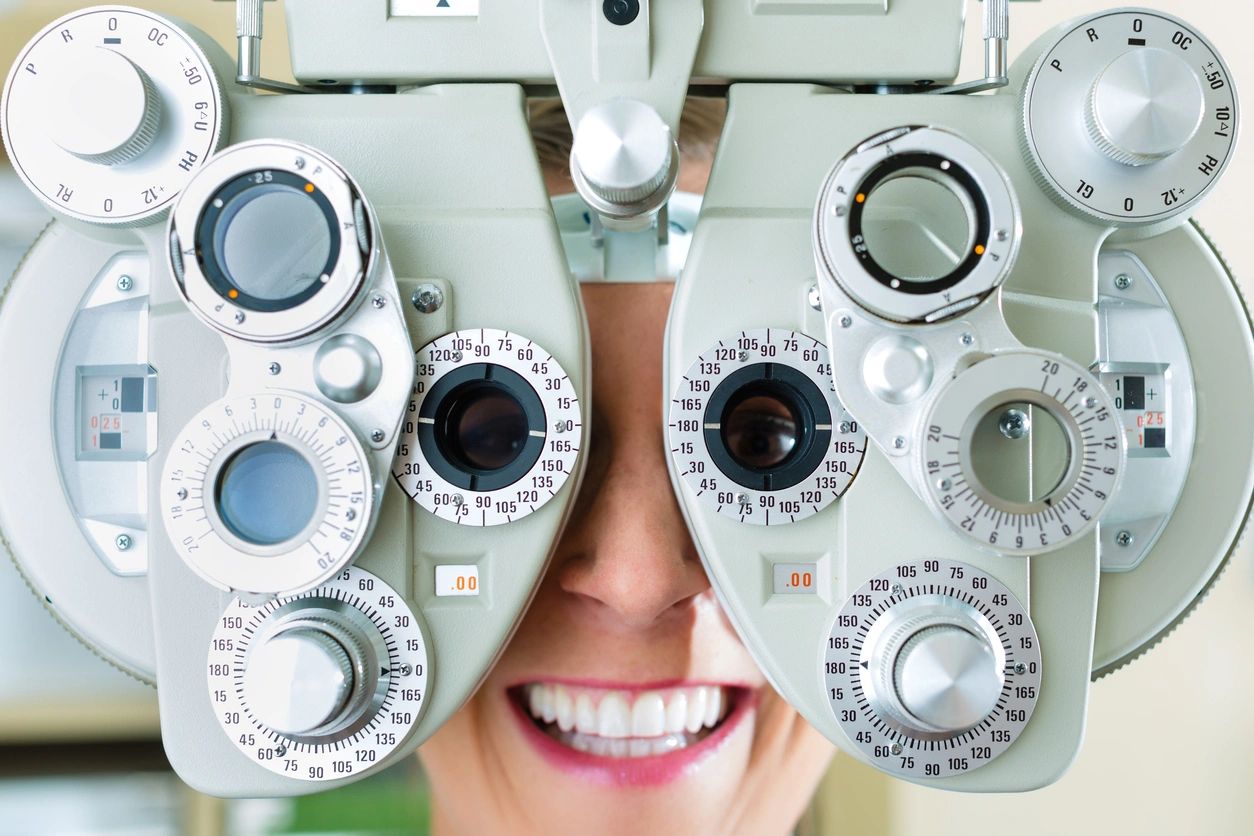
Let’s start with the basics, shall we? One of the best things you can do is get your eyes checked regularly. And part of that process is getting a dilated eye exam. I know getting a dilated eye exam can be scary but it really is one of the best ways to check our eye health. Dilation helps your eye doctor to check for eye problems such as diabetic retinopathy, glaucoma and even macular degeneration. It is recommended to get a dilated eye exam every 1 – 2 years if you are over 60, African American and over 40, and/ or have a family history of glaucoma or are diabetic or have high blood pressure. Now what else happens during a routine eye exam? Well an eye exam usually includes a visual acuity test (this is the part where you look at the chart and read it) as well as a visual field test which checks our peripheral vision.  There is also a test for eye muscle function where the doctor will have you follow an object with your eyes. The doctor will shine a small flashlight into your eye to check your pupils. Lastly the doctor will check your eye pressure very often by doing a tonometry test which is where the machine blows a quick puff of air onto your eye. (1)

It’s also important to acknowledge and try to reduce any of our risk factors for eye disease. For example there are certain chronic diseases that can increase the risk of eye conditions. For example diabetes and high blood pressure, being overweight/obese can all increase the risk of eye disease. Some things as we know tend to run in families. Thus knowing our family history is also important. There are also some life style choices that can help keep your eyes healthy.  First it is important to quit smoking. Smoking can harm the optic nerve and even increase the risk of certain conditions such as macular degeneration and even cataracts. It is also important to be active. If you have any underlying conditions such as diabetes or high blood pressure it is important to monitor and properly address them. It is also important to eat healthy foods such as greens and fish. (2)

But what supplements have studies looked at for eye health? Well let’s review a few, shall we?

  • Lutein has been studied quite a bit over the years and studies have found that it is very helpful for our eye health. (3) Please see Invite’s Lutein Plus, and our Macula Advanced!
  • Bilberry and Fish Oil are 2 amazing nutrients when it comes to our eye health! In fact a 3 month study found that a combination of these 2 nutrients was helpful for dry eye. (4) For these 2 amazing nutrients please see Invite’s Bilberry and Macula as well as our Fish and Krill oil!
  • L Carnosine has been studies in regards to cataracts and found to be helpful in reducing their formation. (5) Please see Invite’s L Carnosine Plus
  • Our product highlight will be on a fabulous product – Macula Advanced!

Sources:

  1. https://www.nei.nih.gov/learn-about-eye-health/healthy-vision/get-dilated-eye-exam
  2. https://www.nei.nih.gov/learn-about-eye-health/healthy-vision/keep-your-eyes-healthy
  3. https://www.ncbi.nlm.nih.gov/pmc/articles/PMC3705341/
  4. https://www.ncbi.nlm.nih.gov/pmc/articles/PMC9892183/
  5. https://pubmed.ncbi.nlm.nih.gov/27472261/

APRIL HEALTH AWARENESS~ AN INTODUCTION TO OUR TOPIC OF THE MONTH

APRIL HEALTH AWARENESS~ AN INTODUCTION TO OUR TOPIC OF THE MONTH

APRIL HEALTH AWARENESS~ AN INTODUCTION TO OUR TOPIC OF THE MONTH By: Allie Might, FMC, INHC, ATT   April is an interesting month when it comes to health and wellness. It’s Public Health Awareness Month, but as always, awareness months are always sharing and overlapping. …

Renalaid for Going Beyond Bladder Health

Renalaid for Going Beyond Bladder Health

Renalaid for Going Beyond Bladder Health Dr. Claire Arcidiacono, ND   Today’s product highlight probably seems out of place in a conversation mostly about respiratory health. However the health of our respiratory tract is inherently linked to another system. That is our immune system. Keeping …

The Greatness of Green Tea!!!

The Greatness of Green Tea!!!

The Greatness of Green Tea!!!

Dr. Claire Arcidiacono, ND


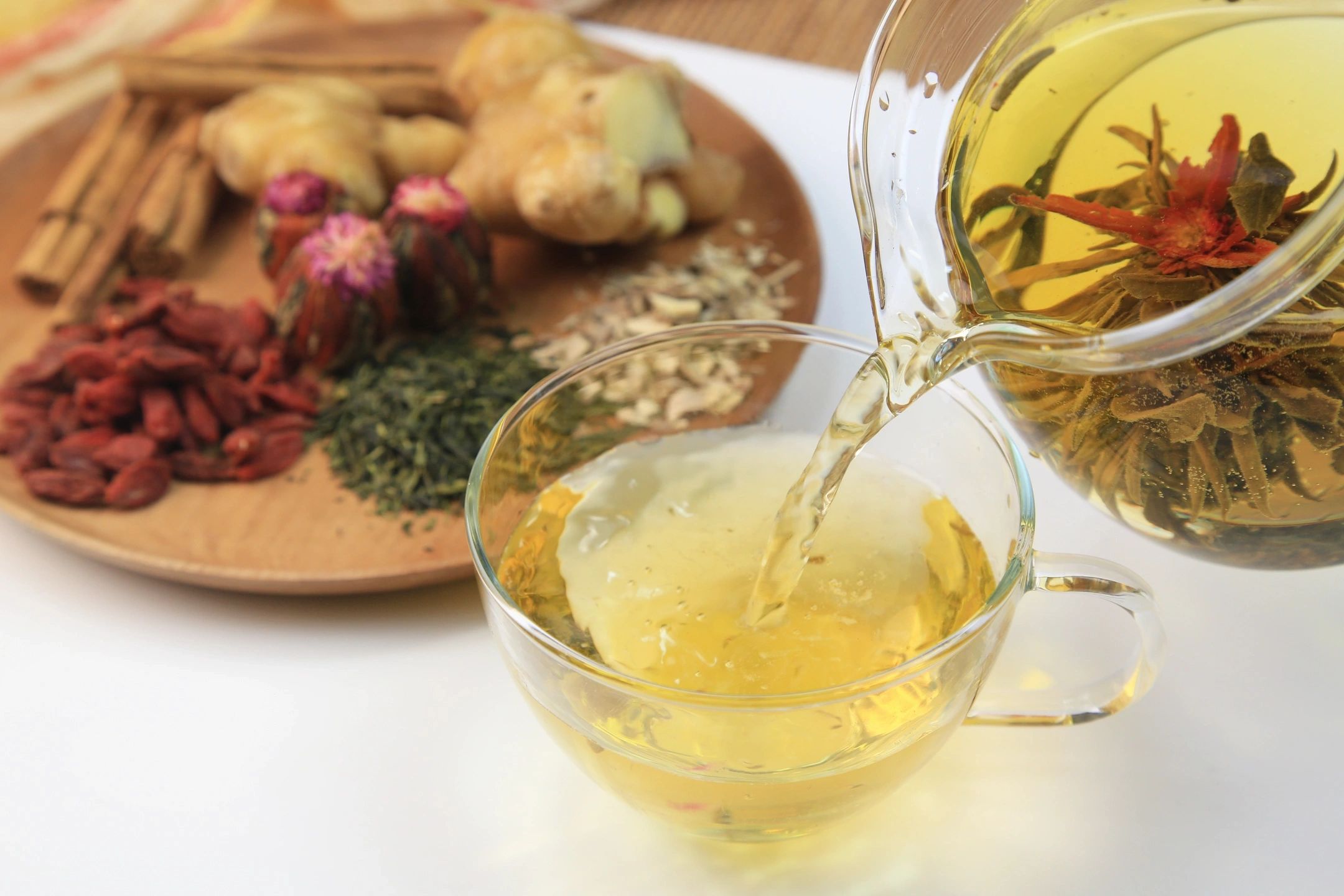
Green tea is everywhere these days! Green tea is found in everything from tea bags to lattes and even ice cream! But as we all know these forms are chock full of sugar and additives that aren’t exactly very good for us. So what forms of green tea do we recommend? Green tea is available in tea form, tincture form and even in capsules. Personally I recommend choosing either a tincture or capsule form since they tend to be more concentrated in that form.

Green tea has been studied and been found to have many health benefits. Green tea has been found to help strengthen the immune system. Green tea has also been found to inhibit the growth of Helicobacter pylori. Additionally green tea has been found to be effective when used to treat influenza, Herpes and adenovirus. Green tea has also been found to be effective in treating diarrhea. (1) In addition to helping against different viral infections green tea has also been found to be antifungal and is effective against Candida albicans. (2)

One topic that people frequently call with questions is regarding the topic of how to increase their White blood cell count or their immune system. Studies have found that when green tea is used for 14 or more days it can increase the white blood cell count. In one study they were particularly looking at leukocytes and found that they increased after 14 days of green tea use. (3) Other studies have found that green tea can help to increase natural killer cells and macrophages both of which are important parts of the immune system. (4)

Green tea does much more than just help our immune system fight infections – in fact studies have found that the EGCG that is found in green tea can inhibit the release of both histamine and leukotrienes. Both of these are important when it comes to both allergies and asthma. Studies have found that green tea is able to help with inflammation and can help to reduce pro-inflammatory cytokines. (5)

In addition to being antibacterial studies have also found that green tea can enhance the activity of certain antibiotics thus making them more affective. For example studies have found that green tea can enhance the effects of tetracycline in its use against staphylococci. (6)

Green tea does even more than help us fight against pathogens or bad guys! A 2017 study found that green tea may help improve overall brain health, memory and even improve our mood. (7) A more recent study from 2020 found that those who used green tea had a 64% lower chance of cognitive impairment. (8)

Green tea has also been found to help metabolism and to help with our cholesterol. (9) In fact a 2022 study found that green tea use was associated with a 44% lower chance of abdominal obesity. (10)  An interesting study from 2021 found that those who use green tea had a 62% lower risk of death. (11)

Overall green tea has many benefits. But how do you know which one to take? Invite has 2 forms of green tea, tincture or concentrated liquid form and capsules.  To help decide which one is best for you there are some questions that can be helpful. The first question is do you prefer liquids or capsules? Are you sensitive to caffeine? What are your overall goals? Are you on any medications? Invite green tea tincture is a liquid and decaffeinated.  That makes it a great choice for anyone who prefers liquids or who would prefer to eliminate caffeine. For anyone who is still confused I just want you to remind you that you can always talk to an Invite nutritionist to help find the right products to reach your goals!


Our next topic will be Bronchitis!

Sources:

  1. https://www.ncbi.nlm.nih.gov/pmc/articles/PMC2855614/
  2. https://pubmed.ncbi.nlm.nih.gov/14688042/
  3. https://pubmed.ncbi.nlm.nih.gov/26259232/
  4. https://www.sciencedirect.com/science/article/pii/S2213453022000465
  5. https://bjbas.springeropen.com/articles/10.1186/s43088-024-00464-2
  6. https://pubmed.ncbi.nlm.nih.gov/15155186/
  7. https://pubmed.ncbi.nlm.nih.gov/28899506/
  8. https://www.ncbi.nlm.nih.gov/pmc/articles/PMC7640442/
  9. https://link.springer.com/article/10.1007/s11332-022-00955-8
  10. https://link.springer.com/article/10.1007/s11332-022-00955-8
  11. https://www.ncbi.nlm.nih.gov/pmc/articles/PMC7903984/