Recent Posts

WATER~THE INCREDIBLE LIFE FORCE

WATER~THE INCREDIBLE LIFE FORCE

WATER~THE INCREDIBLE LIFE FORCE By: Allie Might, FMC, INHC, ATT   Water is our life force. It is such a necessity but something that very few people seem to get enough of on a daily basis. As I discuss this topic numerous times each day, 

The Greatness of Green Tea!!!

The Greatness of Green Tea!!!

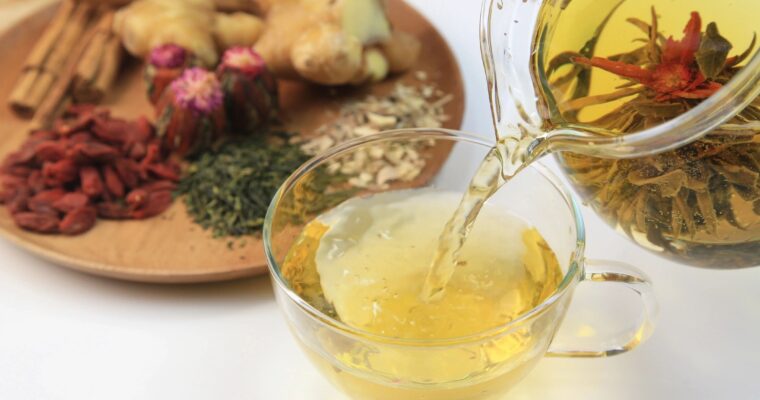
The Greatness of Green Tea!!! Dr. Claire Arcidiacono, ND   Green tea is everywhere these days! Green tea is found in everything from tea bags to lattes and even ice cream! But as we all know these forms are chock full of sugar and additives 

FATS~THE SKINNY YOU NEED TO KNOW

FATS~THE SKINNY YOU NEED TO KNOW

FATS~THE SKINNY YOU NEED TO KNOW

By: Allie Might, FMC, INHC, ATT


When talking about health, wellness and diet, the subject of fats always seems to scare people. I’ve heard such things as ‘fats are bad’ to ‘I don’t consume any fats because they’ll back me gain weight’. There are so many misconceptions regarding fats out there so let’s explore this dietary group and breakdown the good and bad when it comes to fats.

Let’s start breaking down fats and get more comfortable including them into our diet. Just like anything, there are good and bad fats. It’s the bad fats that we think of when we think that consuming fats will cause weight gain so many tend to gravitate toward a low-fat or even fat-free diet. However, incorporating the right fats, the healthy fats, can have positive effects on our health and well-being.

Healthy fats are helpful for such areas like the skin, joints, heart and circulatory system and even the brain. These are also known as unsaturated fats. According to an article form Harvard Medical School titled ‘Know the Facts About Fats’, these fats have been shown to raise HDL (good cholesterol), reduce inflammation and nourish the brain and may even help to reduce the risk of Alzheimer’s disease.

Unhealthy fats are just that…unhealthy and potentially harmful to one’s health. These are the saturated and trans fats. ‘Types of Fats’ from the Harvard T. H. Chan School of Public Health advised limiting or greatly reducing the amounts of saturated and trans fats in the diet. This is due to the negative impact they can have on one health. The potential risk factors include, but are not limited to,  increased inflammation, increased LDL (bad cholesterol), increased risk of heart disease, stroke and heart attack, and may even contribute to insulin resistance.

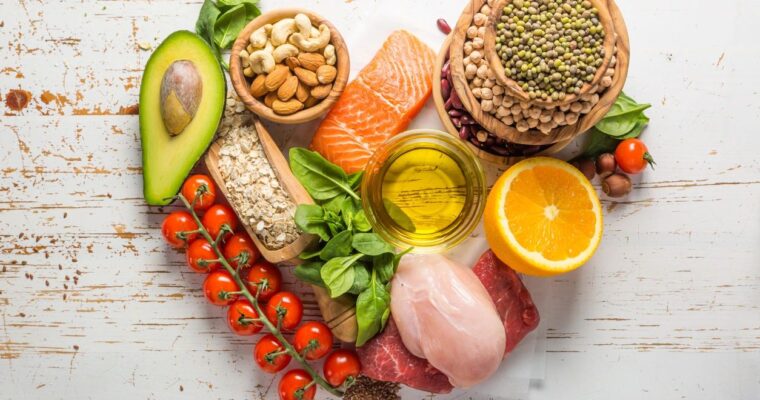
Unsaturated Fats are what would be considered healthy fats. In this group you’ll find the good fats that can have a positive impact on one’s health.  Some of these include such foods as shellfish, salmon, sardines, seeds, nuts and nut butters. Oils like extra virgin olive oil, grape seed oil and avocado oil. They have medium to high smoke point making them ideal to use when cooking.

Saturated Fats are the unhealthy fats that many people justify as being okay in moderation. These are the fats that most people gravitate to and love. These include cheeses, red meat, poultry (with skin) and even bacon. While these do have health benefits like calcium and protein, the fat content may have negative effects on one’s health and wellness.

Trans Fats are the worst of the fats that are consumed. These are the fats that we should all be most aware of as they are the ones to try to avoid. They can be a serious contributing factor to increasing risk of certain health problems. These can include heart problems and weight gain or obesity. This group is made up of such things like processed meats (think deli meats and hot dogs), many processed and prepackaged foods. Many times you’ll see the term partially hydrogenated oils.

A good way to remember the difference between these three types of fats would be UNSATURATED-FAT is UNFILTERED and CLEAN, SATURATED-FAT is SUFFOCATING and UNHEALTHY, and finally TRANS-FAT is HEAVILY PROCESSED (TRANSformed), UNRECOGNIZABLE and ATTACKING (to the cells).


FISH OIL: This is the most common thing we think of when talking about Omega-3s. Fish oil supplies the EPA (Eicosapentaenoic Acid) and DHA (Docosahexaeonic Acid) that is essential for numerous areas of the body.

BIOMEGA: This is the same type of omega-3 as above, but this is enteric coated. This coating causes the soft gel to dissolve for absorption in the small intestine instead of the stomach. Many people report that this helps to reduce having the fishy taste repeat on them.

KRILL OIL ADVANCED: This is an easy to take soft gel supplies EPA and DHA but also contains Astaxanthin. This is an antioxidant that is believed to support healthy heart, skim, brain and the immune system. It is also said to have anti-inflammatory properties. It is also advised that if someone is allergic (or sensitive) to seafood and/or shellfish to not consume krill oil supplements.


www.health.clevelandclinic.org/how-to-choose-and-use-healthy-cooking-oils

www.health.harvard.edu/staying-healthy/know-the-facts-about-fats

www.uclahealth.org/news/eating-healthy-fats-has-many-benefits

www.ncbi.nlm.nih.gov/pmc/articles/PMC5577766/

www.heart.org/en/healthy-living/healthy-eating/eat-smart/fats/dietary-fats

www.hsph.harvard.edu/nutritionsource/what-should-you-eat/fats-and-cholesterol/types-of-fat/

www.pharmapproach.com/enteric-coating-2/

www.webmd.com/diet/health-benefits-astaxanthin

www.webmd.com/vitamins/ai/ingredientmono-1172/krill-oil

COVID-19

COVID-19

COVID-19 Dr. Claire Arcidiacono, ND   I wanted to take the time to review COVID-19.  As government safety guidelines and regulations slowly relax I wanted to go over some ways that can be helpful in keeping us healthy. Like any contagious virus COVID-19 is something 

Mushroom Hx

Mushroom Hx

Mushroom Hx Dr. Claire Arcidiacono, ND   Omelets, risotto and even salads are all places you might find mushrooms. But did you know mushrooms are also an amazing supplement for our immune system? There are so many different types of mushrooms that sometimes it can 

PROTEINS~WHAT ARE THEY?

PROTEINS~WHAT ARE THEY?

PROTEINS~WHAT ARE THEY?

By: Allie Might, FMC, INHC, ATT


While we all know protein, do we really know how much we need on a daily basis? It’s also something we all like as there seems to be endless choices. There is also no wrong way to prepare proteins, so they appeal to all tastes.

The amount of protein needed in a day is fairly easy to achieve. According to the United States Department of Agriculture (USDA), adults need the equivalent of 5-7 ounces each day. However, according to ‘High Protein Foods: The Best Protein Sources to Include in a Healthy Diet’ published by Harvard Health Publishing for Harvard Medical School, the average adult should consume .36grams of protein per pound of body weight. Keep in mind, these are guidelines for average adults within the normal weight range on the BMI chart.

Why is protein so important? We know it’s good for healthy muscle strength and muscle mass, as that is what protein is commonly associated with by most people. However, protein is also good for such areas as the bones, metabolism, and fat-burning and appetite control. I like to recommend incorporating some protein into each meal every day.

Just like anything, too much of a good thing is not good. Excessive protein consumption could cause halitosis (bad breath), digestive problems, kidney issues or even dehydration, just to name a few. According to an article from The Cleveland Clinic, too much red meat could increase the risk of some cancers, heart attack and stroke. It’s recommended to eat red meat in moderation.

ANIMAL PROTEINS: This consists of the most common proteins. Here is where we have beef (anything from steak to hamburger), poultry (chicken, turkey, Cornish game hen, etc.), pork (ham, pork loin, bacon, etc.), fish (salmon, tuna, sardines, etc.) or seafood/shellfish (shrimp, lobster, muscles, its) and game (deer, pheasant, boar, alligator, etc.).

VEGETARIAN PROTEINS: These proteins are supplied by animals (animal bi-products) without us having to consume the animal itself. This group includes such choices like eggs, cheese and Greek yogurt.

VEGAN PROTEINS: This group has endless possibilities, but can also be intimidating to many people. You can find familiar foods like nuts, seeds, nut butters (peanut butter, almond butter, etc.), lentils and beans. It also includes the more unfamiliar or intimidating tofu, tempeh (fermented soybeans) and seitan (vital wheat gluten).

While some of these alternative options aren’t for everyone, they can be a good option for those looking to cut back on animal proteins, while still incorporating nutritious food. Many of these alternates are not only good sources of protein, but can also supply vitamins, minerals, calcium and fiber.

WHEY PROTEIN POWDER: Whey is probably the most common protein powder. It is sourced from dairy, but contains varying amounts of lactose. Therefore, those that are lactose intolerant may or may not be effected. For others, this is a great option to add extra protein into their diet. This also has vanilla flavor, but it’s not overpowering, so adding fruits, greens or nut butters are a perfect compliment.

PLANT PROTEIN POWDER: As an alternative to whey protein, using this plant protein that contains Flax Seed and Chia Seed powders is the perfect alternative. While anyone can benefit from this powder, it is typically enjoyed by those that are sensitive or allergic to dairy, as well as vegans and strict vegetarians. This is also flavorless so it can be used endless ways, so let your imagination get creative.

PRO TIPS: Try adding one of these protein powders to plain oatmeal, plain Greek yogurt or a smoothie to help reach your daily protein needs. If you’re looking for a tasty addition, add a scoop of Cocoa Hx for an indulgent treat.


www.myplate.gov/eat-healthy/protein-foods

www.health.harvard.edu/nutrition/high-protein-foods-the-best-protein-sources-to-include-in-a-healthy-diet

www.nhlbi.nih.gov/health/educational/lose_wt/BMI/bmicalc.htm

www.healthline.com/nutrition/10-reasons-to-eat-more-protein

https://health.clevelandclinic.org/can-you-eat-too-much-protein

www.hsph.harvard.edu/nutritionsource/what-should-you-eat/protein/

health.clevelandclinic.org/is-whey-protein-good-for-you